The Hindu Concept of Nada Yoga: Exploring the Power of Sound and Music
Nada Yoga is an ancient Hindu practice that harnesses the transformative power of sound and music to achieve spiritual enlightenment. Rooted in the belief that everything in the universe vibrates at a particular frequency, Nada Yoga practitioners seek to align their own vibrations with the divine through the use of sound.
The Significance of Sound in Hindu Philosophy

In Hinduism, sound is considered a sacred form of energy that can purify, heal, and elevate consciousness. According to the Vedas, the ancient Hindu scriptures, the universe itself was created from the sound of Om, the primordial vibration. This belief underscores the profound significance of sound in Hindu philosophy and the practice of Nada Yoga.
Principles of Nada Yoga
Nada Yoga is based on the principles of resonance and vibration. Practitioners use various techniques to create specific vibrations within their bodies and minds, which are believed to resonate with the vibrations of the universe. These techniques include:
- Chanting mantras: Mantras are sacred syllables or phrases that are believed to have specific spiritual effects. By chanting mantras with intention and focus, practitioners can align their vibrations with the desired states of mind.
- Playing musical instruments: Music is considered a powerful tool for spiritual transformation. Instruments such as the sitar, tabla, and flute are used in Nada Yoga to create harmonious vibrations that can uplift and inspire.
- Listening to sacred music: Listening to music that evokes positive emotions and spiritual insights can help practitioners cultivate inner peace and connection with the divine.
Benefits of Nada Yoga
The practice of Nada Yoga is believed to offer a wide range of benefits, including:
- Stress reduction and relaxation: Sound and music can help soothe the nervous system and promote a sense of calm and tranquility.
- Enhanced concentration and focus: The repetitive nature of chanting mantras and playing music can help improve concentration and reduce distractions.
- Emotional healing: Sound can release pent-up emotions and facilitate emotional healing.
- Spiritual awakening: By aligning their vibrations with the divine, Nada Yoga practitioners can experience heightened spiritual awareness and connection with the universe.
Integration into Modern Practice
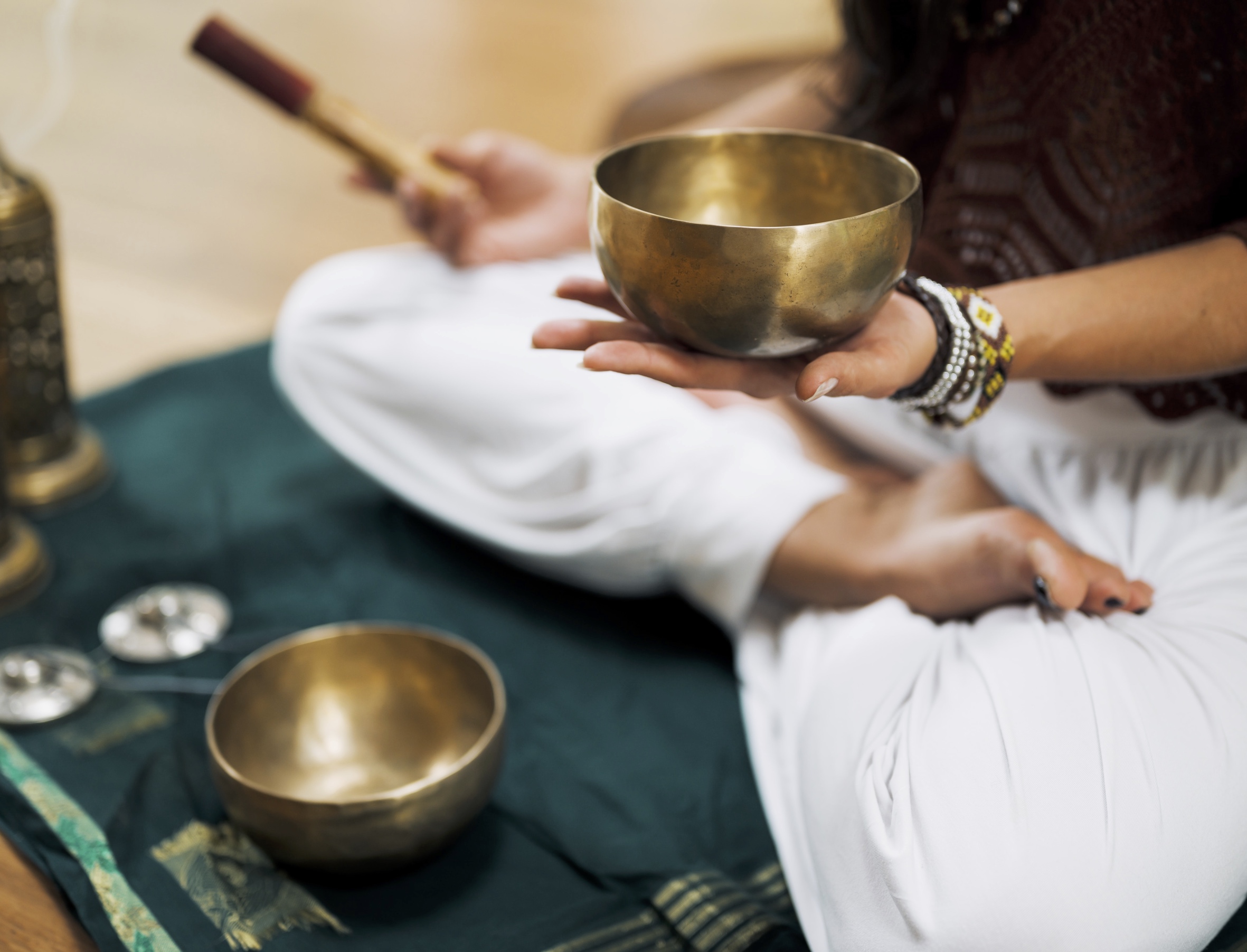
In modern times, the principles of Nada Yoga are being integrated into various practices, such as sound healing, music therapy, and meditation. Sound baths, where participants lie down and listen to soothing music or sound bowls, are gaining popularity as a way to relax and promote well-being. Music therapy is also used to support individuals with mental health challenges or physical ailments.
Conclusion
Nada Yoga is a profound and transformative spiritual practice that has been passed down through generations in Hindu culture. Through the power of sound and music, it empowers practitioners to connect with their inner selves, find inner peace, and experience the boundless potential of their consciousness. As modern society continues to explore the healing and transformative power of sound, the principles of Nada Yoga remain a timeless source of inspiration and guidance.## The Hindu Concept Of Nada Yoga: Exploring The Power Of Sound And Music
Executive Summary
Nada Yoga, a branch of Hindu philosophy and practice, explores the profound connection between sound, music, and the human consciousness. Rooted in the belief that the universe itself vibrates with a primordial sound, Nada Yoga utilizes various techniques to harness the power of sound to enhance spiritual growth and well-being. This ancient tradition offers a rich tapestry of practices, including chanting, mantra repetition, and meditation, each designed to evoke specific energetic states and promote inner harmony. Understanding the principles and practices of Nada Yoga empowers individuals to unlock the transformative potential of sound and music, fostering greater self-awareness and connection.
Introduction
In the symphony of life, Nada Yoga recognizes the profound influence of sound and music on our physical, emotional, and spiritual well-being. This ancient Hindu practice delves into the intricate relationship between vibrations, the human body, and consciousness, providing a transformative path to inner growth and harmony.
Frequently Asked Questions (FAQs)
-
What is the purpose of Nada Yoga?
- Nada Yoga aims to purify the mind, enhance concentration, and promote a deep connection with the divine.
-
Is Nada Yoga accessible to everyone?
- Yes, Nada Yoga is a versatile practice adaptable to various lifestyles and levels of experience.
-
What are the benefits of practicing Nada Yoga?
- Its benefits include reduced stress, improved sleep, increased creativity, and deepened spiritual awareness.
Subtopics
The Nature of Sound and Vibration
- Sound is a form of energy that travels in waves, creating vibrations in the surrounding medium.
- These vibrations possess specific frequencies and amplitudes that can influence our physical and energetic states.
- Nada Yoga recognizes the primordial sound, “AUM” or “OM,” as the foundation of all creation.
The Effects of Sound on the Body and Mind
- Sound vibrations can penetrate the body, affecting physiological processes such as circulation, breathing, and digestion.
- Different frequencies evoke distinct emotional responses and mental states, ranging from calm to energized.
- Certain sounds can stimulate specific brainwave patterns, promoting relaxation, focus, or creativity.
Chanting and Mantra Repetition
- Chanting is a fundamental practice in Nada Yoga, involving the repeated utterance of sacred syllables or mantras.
- Mantras are believed to possess specific powers and vibrations that can purify the mind, enhance focus, and connect with higher consciousness.
- Chanting can be done individually or in groups, creating a powerful collective energy.
Music and Nada Yoga
- Music is a powerful tool for Nada Yoga, as it combines the elements of sound, rhythm, and melody.
- Specific musical ragas (melodies), scales, and instruments are associated with different chakras and energetic states.
- Listening to or playing music can induce deep relaxation, evoke emotional release, and foster spiritual connection.
Meditation and Sound
- Nada Yoga incorporates meditation practices that utilize sound as a focal point for concentration and inner reflection.
- Listening to ambient music or chanting can create a conducive environment for meditation, calming the mind and facilitating deeper states of awareness.
- The use of sound helps anchor the meditator in the present moment, promoting mindfulness and reducing distractions.
Conclusion
Nada Yoga stands as a testament to the profound power of sound and music in shaping our personal and spiritual journey. By understanding the principles of this ancient practice, we can harness the transformative potential of sound to cultivate inner harmony, enhance well-being, and deepen our connection with the universe. Whether practiced through chanting, music, or meditation, Nada Yoga offers a path to self-discovery, growth, and the realization of our fullest potential.
Relevant Keyword Tags
- Nada Yoga
- Sound Healing
- Mantra Repetition
- Music and Spirituality
- Sound and Consciousness