
Rediscovering the Swastika: Separating Ancient Hindu Symbolism from its Modern Associations
Introduction

The swastika, an ancient symbol with profound significance in Hinduism, has been irrevocably tainted by its association with the Nazi regime. However, it is essential to separate the symbol’s original meaning from its more recent and sinister interpretation.
Ancient Symbolism
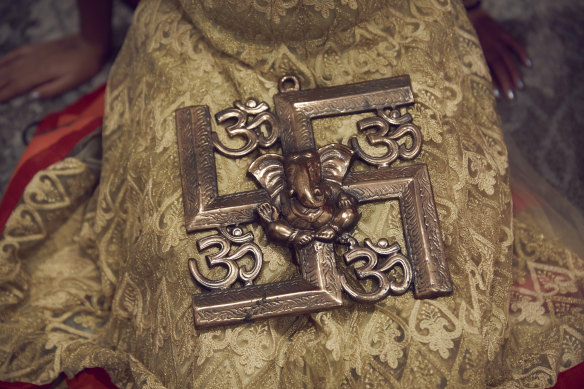
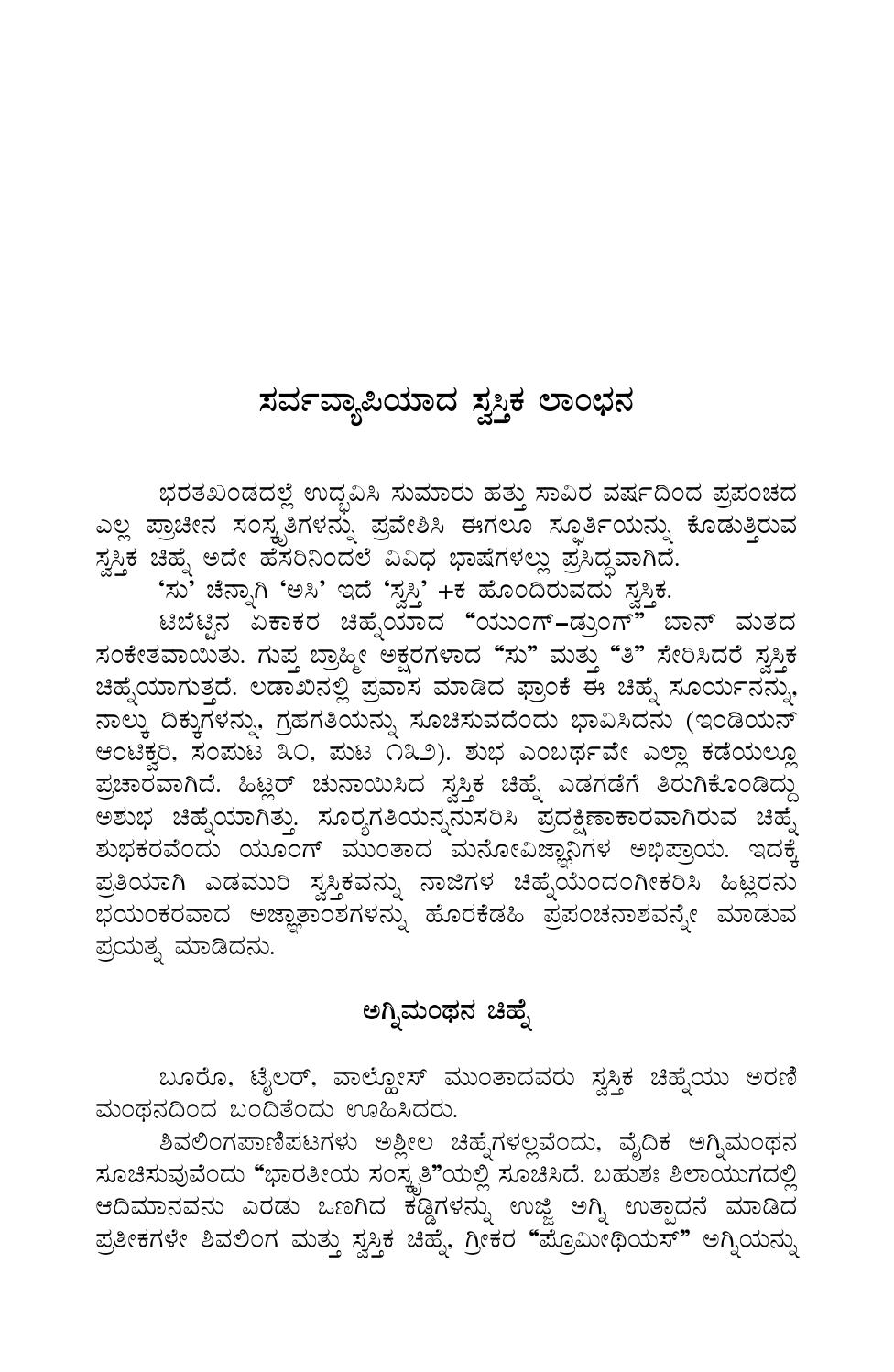
In Sanskrit, “swastika” translates to “well-being,” symbolizing good fortune, prosperity, and growth. The four arms of the swastika represent the four directions, the four seasons, and the four elements. It is also associated with Agni, the Hindu god of fire and light.
Historical Significance
The swastika has been found in various cultures across the globe, including ancient India, Egypt, China, and the Americas. It was engraved on coins, temples, and household items, representing protection and benediction. In Hinduism, it is often seen painted on the foreheads of deities, doors, and walls to ward off evil spirits.
Nazi Misappropriation
The Nazis adopted the swastika as their emblem in the 1920s. They distorted its ancient meaning, turning it into a symbol of anti-Semitism and hate. The misuse of the swastika by the Nazis has cast a dark shadow over its historical significance.
Reclaiming the Swastika
Despite its negative connotations, many Hindus believe it is important to reclaim the swastika’s original symbolism. They argue that allowing the Nazis to define the symbol would be a victory for evil. By rediscovering its ancient roots, they hope to dispel the stigma associated with it.
Modern Interpretation
Today, the swastika is still a sacred symbol in Hinduism. However, its use in non-Hindu contexts can be controversial. Some people believe that using it outside its religious context is insensitive and disrespectful, while others believe that its historical significance should not overshadow its ancient meaning.
Conclusion
The swastika is a symbol with a rich and complex history. While its association with Nazism has marred its reputation, it is important to recognize its original symbolism in Hinduism. By understanding its significance and reclaiming its positive interpretation, we can separate the ancient symbol from its modern associations and appreciate its profound meaning.