The Hindu Concept of Varna: Understanding the Caste System and its Challenges
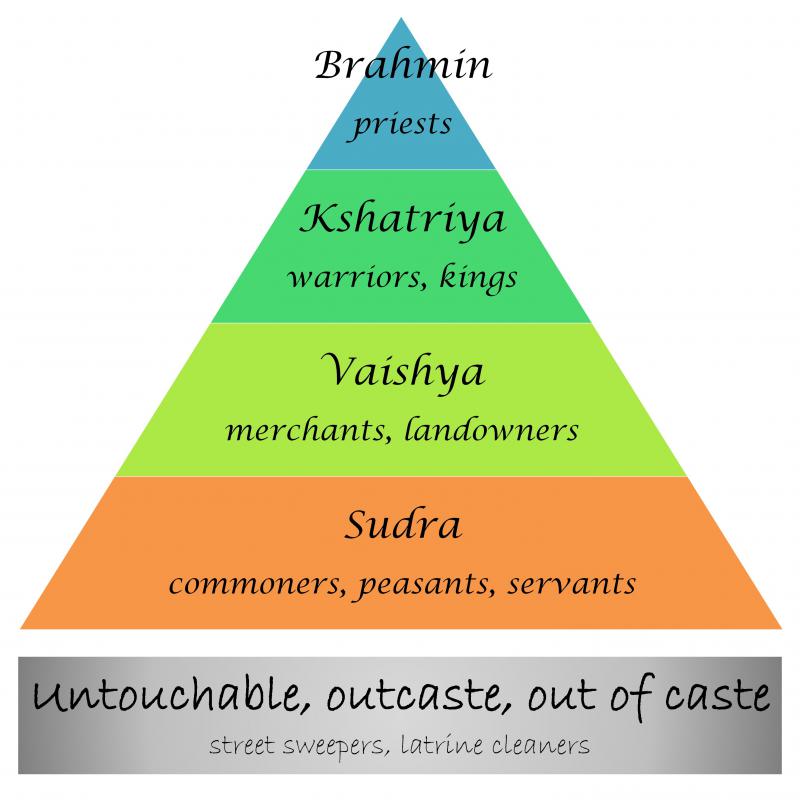
The caste system is a complex and controversial social stratification system that has existed in India for centuries. The system is based on the belief that people are born into different social classes, or varnas, and that these classes are determined by their karma, or past actions. The four varnas are Brahmins (priests and scholars), Kshatriyas (warriors and rulers), Vaishyas (merchants and traders), and Shudras (laborers and servants).
The caste system has been criticized for its rigidness and its discrimination against lower castes. Dalits, or “untouchables,” are outside the caste system and are often subjected to discrimination and violence. The caste system has also been linked to poverty, illiteracy, and unemployment among lower castes.
In recent years, there have been efforts to reform the caste system and to create a more just and equitable society. The Indian government has implemented a number of policies to address caste discrimination, including affirmative action programs for lower castes. However, the caste system continues to be a major challenge in India, and its effects can still be seen in many aspects of Indian society.
Varna and the Caste System
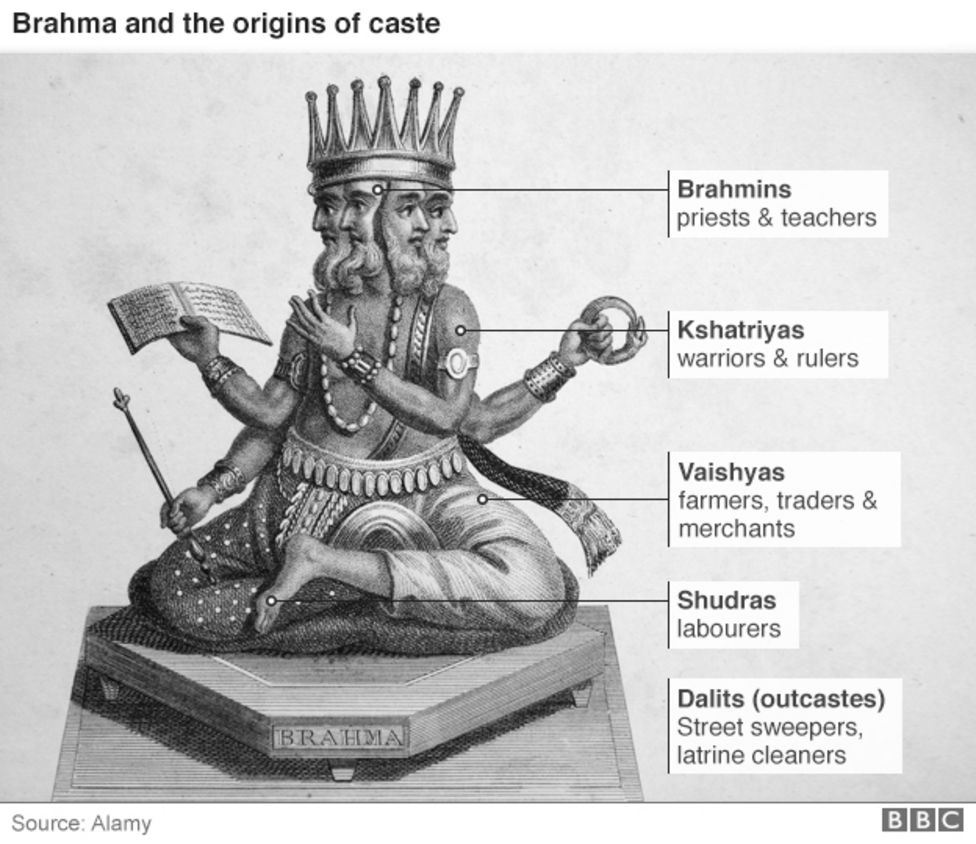
The caste system is based on the Hindu concept of varna. Varna is a Sanskrit word that means “color” or “class.” In the Hindu scriptures, the four varnas are said to have been created by Brahma, the creator god. The Brahmins were created from Brahma’s head, the Kshatriyas from his arms, the Vaishyas from his thighs, and the Shudras from his feet.
The four varnas are ranked in a hierarchical order, with the Brahmins at the top and the Shudras at the bottom. This hierarchy is based on the belief that the Brahmins are the most pure and that the Shudras are the most impure.
The Caste System Today
The caste system continues to be a major force in Indian society today. Although the Indian government has implemented a number of policies to address caste discrimination, the system is still deeply entrenched in many aspects of Indian life.
Caste is often a factor in marriage, employment, and education. Dalits, or “untouchables,” are often subjected to discrimination and violence. They are often denied access to basic services, such as education and healthcare.
The caste system is a complex and controversial issue. There are many different perspectives on the system, and there is no easy solution to the problems it creates. However, it is important to understand the caste system in order to understand India and its people.
Challenges of the Caste System
The caste system has been criticized for its rigidness and its discrimination against lower castes. Dalits, or “untouchables,” are outside the caste system and are often subjected to discrimination and violence. The caste system has also been linked to poverty, illiteracy, and unemployment among lower castes.
In recent years, there have been efforts to reform the caste system and to create a more just and equitable society. The Indian government has implemented a number of policies to address caste discrimination, including affirmative action programs for lower castes. However, the caste system continues to be a major challenge in India, and its effects can still be seen in many aspects of Indian society.
Conclusion
The caste system is a complex and controversial social stratification system that has existed in India for centuries. The system is based on the belief that people are born into different social classes, or varnas, and that these classes are determined by their karma, or past actions. The four varnas are Brahmins (priests and scholars), Kshatriyas (warriors and rulers), Vaishyas (merchants and traders), and Shudras (laborers and servants).
The caste system has been criticized for its rigidness and its discrimination against lower castes. Dalits, or “untouchables,” are outside the caste system and are often subjected to discrimination and violence. The caste system has also been linked to poverty, illiteracy, and unemployment among lower castes.
In recent years, there have been efforts to reform the caste system and to create a more just and equitable society. The Indian government has implemented a number of policies to address caste discrimination, including affirmative action programs for lower castes. However, the caste system continues to be a major challenge in India, and its effects can still be seen in many aspects of Indian society.