The Significance of Diwali: Celebrating the Triumph of Light over Darkness
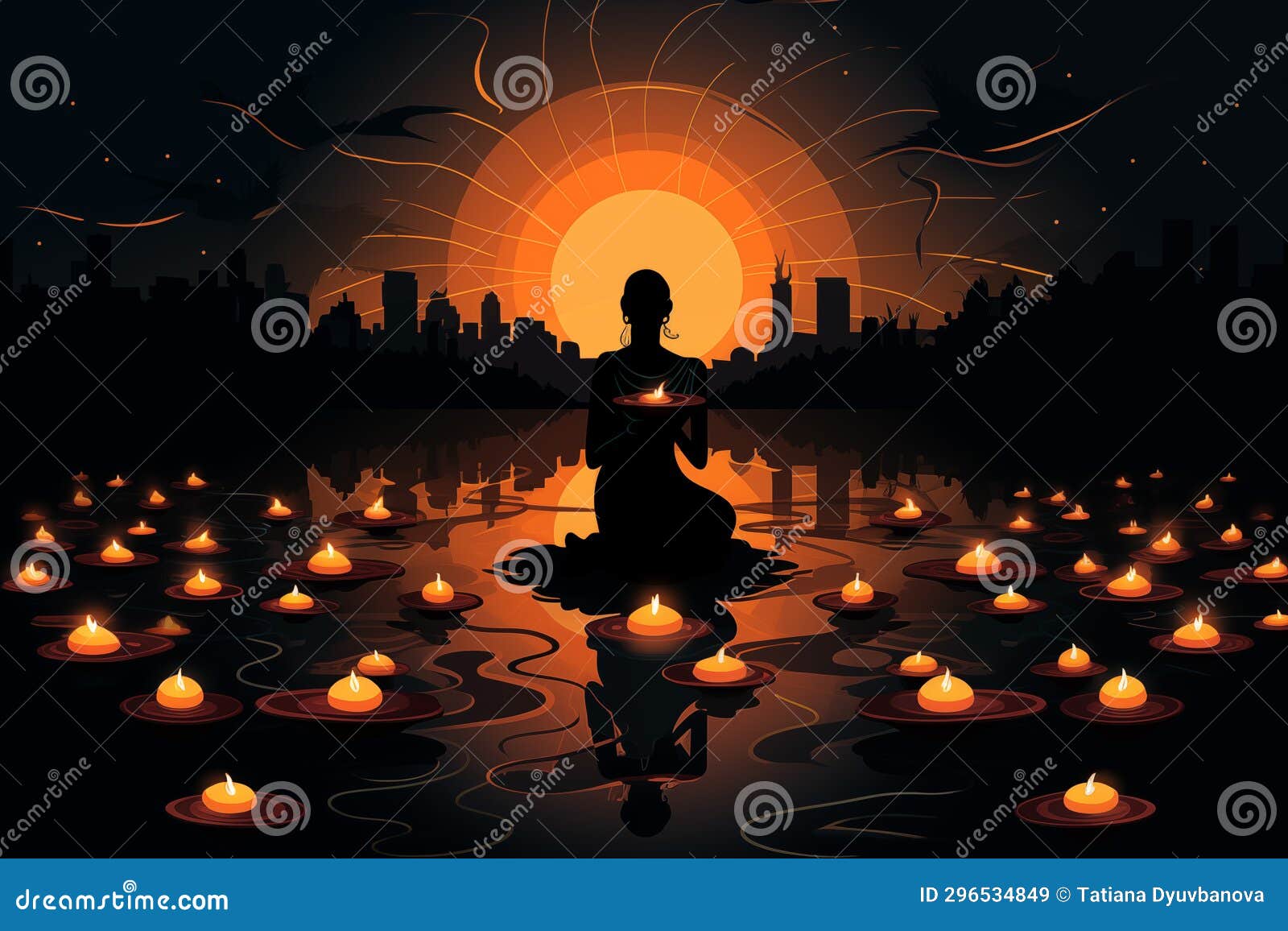
Diwali, also known as Deepavali, is one of the most significant and widely celebrated festivals in India, symbolizing the victory of good over evil, light over darkness, and knowledge over ignorance. It is celebrated annually on the Kartik month Purnima, which usually falls in October or November according to the Gregorian calendar.
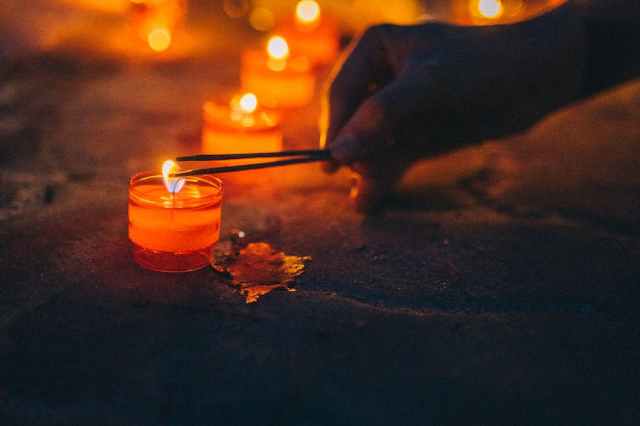
The word “Diwali” is derived from the Sanskrit words “deepa” (lamp) and “avali” (row), signifying a row of lighted lamps. During this festival, people light up their homes and surroundings with earthen lamps (diyas), candles, and electric lights, creating a breathtaking spectacle that illuminates the night and dispels the darkness.
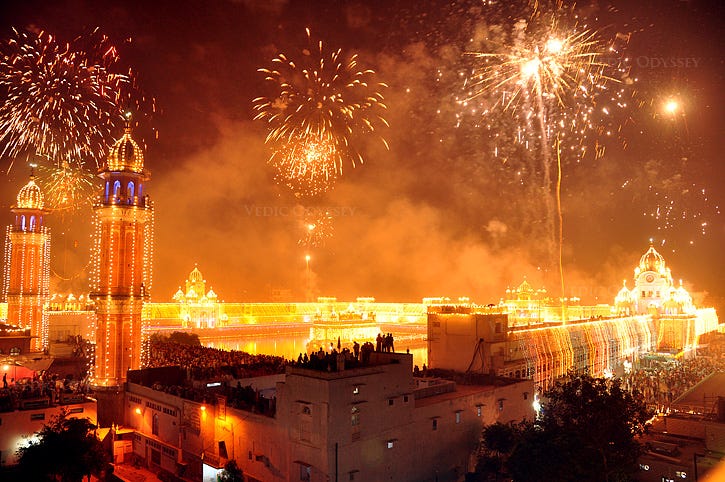
Diwali holds immense cultural and spiritual significance and is celebrated with fervor and enthusiasm across India, as well as by Indian communities worldwide. It marks the end of the Hindu lunar year and the beginning of the new year.
Origin and Legends:
The origins of Diwali can be traced back to ancient Hindu mythology and various legends associated with it. One popular legend narrates the story of Lord Rama’s victory over the demon king Ravana. Rama, along with his wife Sita and brother Lakshmana, returned to their kingdom of Ayodhya after 14 years of exile, and the people celebrated their return by lighting up their homes with diyas.
Another legend suggests that Diwali commemorates Lord Krishna’s victory over the demon Narakasura. Narakasura had kidnapped thousands of women and imprisoned them in his fortress. Lord Krishna, along with his wife Satyabhama, defeated Narakasura and rescued the women, who returned home to celebrate their liberation.
Rituals and Celebrations:
Diwali is a five-day festival, each day marked by specific rituals and traditions.
- Day 1 (Dhanteras): Dhanteras marks the first day of Diwali and is dedicated to the worship of Goddess Lakshmi, the deity of wealth and prosperity. People purchase gold, silver, or new utensils on this day, symbolizing the hope for abundance and prosperity in the coming year.
- Day 2 (Chhoti Diwali): Chhoti Diwali, or Naraka Chaturdashi, is celebrated as the day when Lord Krishna killed the demon Narakasura. People take oil baths before sunrise and adorn their homes with lights.
- Day 3 (Lakshmi Puja): The main day of Diwali, Lakshmi Puja, is dedicated to the worship of Goddess Lakshmi. Families gather to perform Lakshmi Pujan, offering prayers and seeking blessings for wealth, prosperity, and happiness.
- Day 4 (Govardhan Puja): Govardhan Puja, also known as Annakoot, celebrates Lord Krishna’s victory over the god Indra. People create mounds of cow dung and offer prayers to Lord Krishna.
- Day 5 (Bhai Dooj): Bhai Dooj, or Bhaiya Dooj, is the final day of Diwali and marks the bond between brothers and sisters. Sisters apply tilak on their brothers’ foreheads, praying for their well-being, and brothers give gifts to their sisters.
Symbolism and Meaning:
Diwali symbolizes the triumph of good over evil, representing the victory of hope, positivity, and optimism over darkness, negativity, and pessimism. The lighting of lamps and fireworks signifies the dispelling of ignorance and the illumination of knowledge and wisdom.
On a deeper level, Diwali represents the inner journey of self-transformation. It is a time for reflection, introspection, and spiritual renewal. By embracing the light of Diwali, individuals aim to shed the darkness within themselves, letting go of negative emotions and embracing virtues such as love, compassion, and forgiveness.
Cultural Significance:
Diwali is not just a religious festival but also a significant cultural event in India. It brings people together from all walks of life, fostering a sense of unity and belonging. The festival is marked by grand celebrations, colorful decorations, fireworks, traditional music and dance, and the sharing of sweets and delicacies.
Diwali holds immense cultural significance, with specific customs and traditions varying across different regions of India. In North India, people often celebrate with rangoli designs, fireworks, and kite-flying. In South India, oil lamps are lit and traditional sweets are prepared. In Gujarat, Diwali is associated with the Garba dance, a vibrant folk dance performed during Navratri.
Conclusion:
Diwali is a festival that transcends religious and cultural boundaries, resonating with people worldwide. It is a celebration of light, hope, and the enduring spirit of good over evil. By illuminating our homes and hearts with the light of Diwali, we not only honor tradition but also embrace the transformative power of positivity and inner renewal.## The Significance Of Diwali: Celebrating The Triumph Of Light Over Darkness
Executive Summary
Diwali, the festival of lights, is a significant celebration in India and across the globe. It symbolizes the victory of good over evil, knowledge over ignorance, and light over darkness. This festival holds deep religious, cultural, and social importance, bringing people together to share joy, prosperity, and hope. In this comprehensive article, we explore the profound meaning and traditions of Diwali, delving into its historical origins, rituals, and contemporary relevance.
Introduction
Diwali, also known as Deepavali, is an ancient Indian festival that dates back to the Vedic period. The term “Diwali” is derived from the Sanskrit word “Deepavali,” which means “row of lights.” It is a five-day festival that typically falls in the Hindu month of Kartika (October or November), marking the transition from the dark half to the bright half of the lunar month.
FAQs
- When is Diwali celebrated? Diwali typically falls in the Hindu month of Kartika (October or November), and the exact dates vary from year to year.
- What is the significance of Diwali? Diwali symbolizes the victory of good over evil, knowledge over ignorance, and light over darkness.
- How do people celebrate Diwali? Diwali is celebrated with a variety of traditions, including lighting diyas (oil lamps), setting off fireworks, exchanging gifts, and sharing festive sweets and delicacies.
Top Subtopics
Historical Origins
- Diwali’s origins can be traced back to ancient Hindu mythology.
- It is believed that Lord Rama returned to his kingdom, Ayodhya, after defeating the demon Ravana on this day.
- The people of Ayodhya welcomed him back by lighting diyas and setting off fireworks.
Religious Significance
- Diwali is a major festival for Hindus and Sikhs.
- It is associated with the goddess Lakshmi, who represents wealth and prosperity.
- Devotees pray to Lakshmi during Diwali to seek her blessings and favor.
Social and Cultural Importance
- Diwali is a time for family and community gatherings.
- People exchange gifts, share food, and enjoy each other’s company.
- It is also a time for reflection and gratitude, as people celebrate the blessings in their lives.
Economic Impact
- Diwali is a significant time for businesses.
- People often buy new clothes, jewelry, and home decor during this period.
- The festival also boosts the sales of sweets, fireworks, and other festive items.
Environmental Impact
- Diwali is associated with increased air pollution due to the burning of fireworks.
- However, there is a growing awareness of the environmental impact, and many people are opting for eco-friendly ways to celebrate.
Conclusion
Diwali is a festival that holds immense religious, cultural, and social significance in India and beyond. It is a time for reflection, celebration, and the renewal of hope. As the lights of Diwali illuminate our homes and hearts, let us embrace the spirit of the festival and strive to spread light and joy in the world.
Keyword Tags
- Diwali
- Festival of Lights
- Victory of Good Over Evil
- Religious Significance
- Cultural Importance