Symbolic Representations: Decoding the Meaning of Lord Vishnu’s Avatars
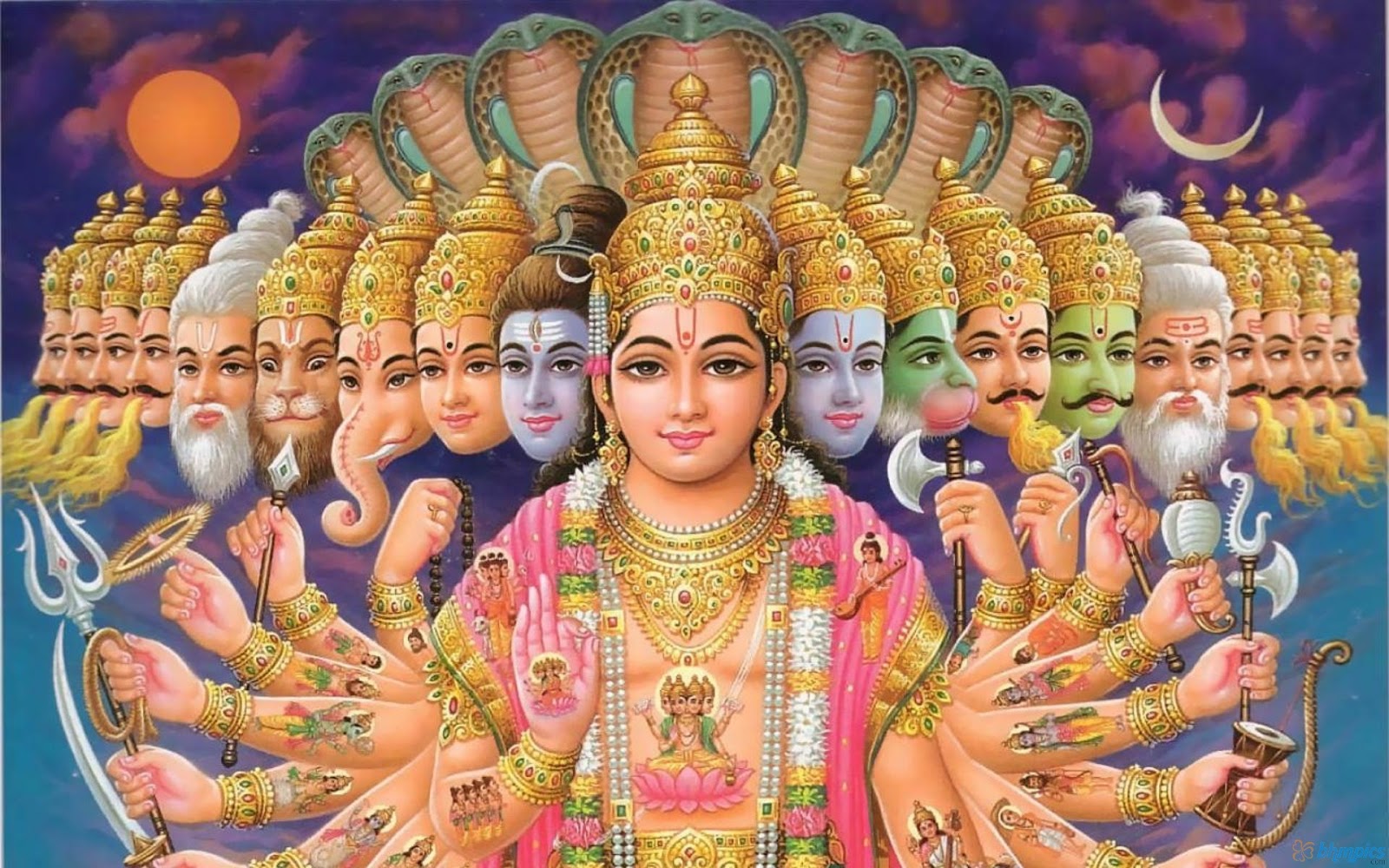
Lord Vishnu, one of the principal deities in Hinduism, is known for his ten avatars or incarnations. Each avatar represents a specific purpose and embodies particular attributes, conveying profound spiritual and philosophical truths. By deciphering the symbolism associated with these avatars, we gain deeper insights into the nature of reality and our place within it.
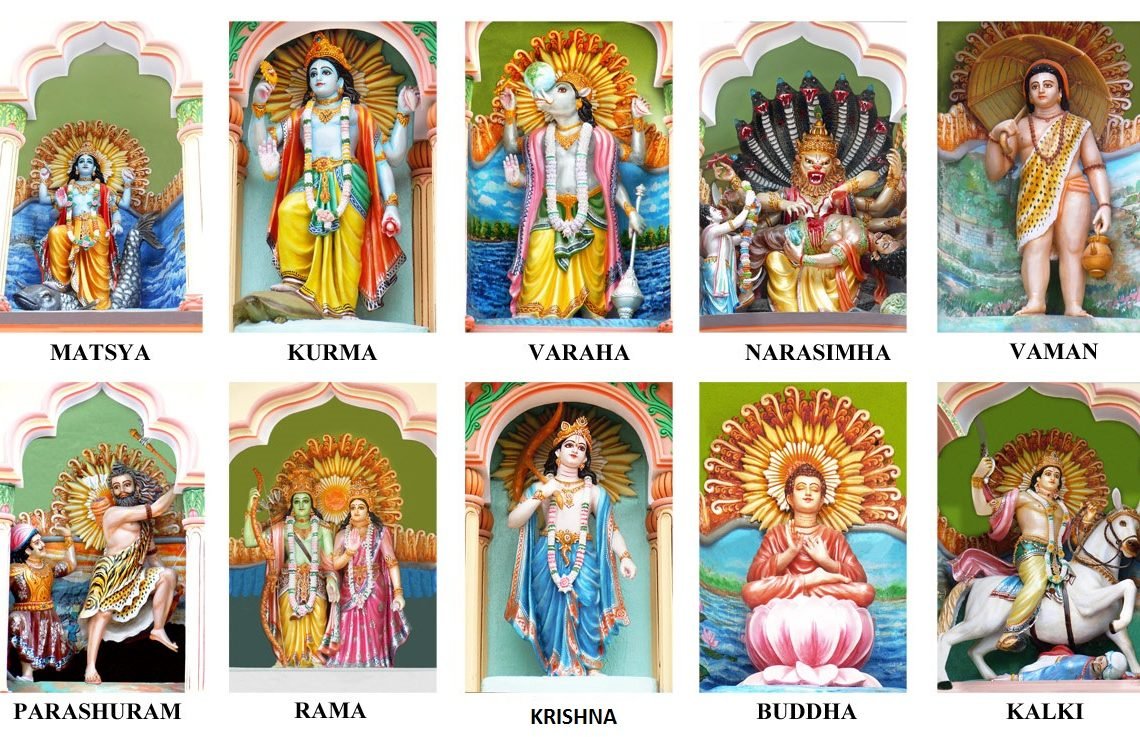
1. Matsya Avatar (Fish)

The Matsya avatar symbolizes the preservation of life and knowledge during times of adversity. It reminds us of the sustaining power of the divine amidst chaos and destruction.
2. Kurma Avatar (Tortoise)
The Kurma avatar represents the stable foundation upon which the universe rests. It emphasizes the importance of unwavering support and resilience, even in challenging circumstances.
3. Varaha Avatar (Boar)
The Varaha avatar embodies the power to rescue and protect. It demonstrates the divine’s willingness to intervene in human affairs to protect the innocent and restore order.
4. Narasimha Avatar (Man-Lion)
The Narasimha avatar symbolizes the wrath of the divine against evil. It warns against the consequences of unrighteousness and underscores the power of truth and justice.
5. Vamana Avatar (Dwarf)
The Vamana avatar represents the humility and deception necessary to overcome arrogance and pride. It teaches the virtue of modesty and the importance of seeking knowledge and wisdom.
6. Parashurama Avatar (Warrior)
The Parashurama avatar embodies the warrior spirit and the defense of the righteous. It reminds us of the duty to protect the weak and uphold justice.
7. Rama Avatar (Prince)
The Rama avatar represents the ideal human being, the perfect embodiment of dharma (righteousness). It emphasizes the importance of ethical conduct, compassion, and devotion.
8. Krishna Avatar (Cowherd)
The Krishna avatar embodies the divine lover, the playful and enigmatic deity. It highlights the power of love, devotion, and the interconnectedness of all beings.
9. Buddha Avatar (Enlightened One)
The Buddha avatar represents the path to spiritual awakening and liberation. It emphasizes the importance of renunciation, compassion, and the pursuit of truth.
10. Kalki Avatar (White Horse)
The Kalki avatar symbolizes the end of an era and the beginning of a new one. It represents the triumph of good over evil and the ultimate restoration of balance in the cosmos.
By understanding the symbolism behind Lord Vishnu’s avatars, we can gain valuable insights into the nature of the divine, the purpose of human existence, and the principles that govern the universe. These avatars serve as reminders of the divine’s omnipresence and the constant interplay between the seen and unseen realms, guiding us toward spiritual growth and enlightenment.## Symbolic Representations: Decoding The Meaning Of Lord Vishnu’s Avatars
Executive Summary
Lord Vishnu is one of the most revered deities in the Sanatana Dharma tradition, widely worshipped as the Supreme Being who pervades all of existence. Through his avatars, or divine incarnations, Vishnu descends to Earth to restore balance, protect the righteous, and guide humanity towards the path of truth and dharma. This article delves into the significance and symbolism of ten prominent avatars of Lord Vishnu, exploring their unique roles and the profound teachings they embody.
Introduction
In Hindu mythology, the concept of avatars holds great significance, representing the descent of the divine into the realm of mortals. Lord Vishnu, revered as the preserver and sustainer of the universe, has manifested in numerous avatars throughout history, each embodiment serving a specific purpose in the cosmic tapestry. These avatars, like multifaceted jewels, reflect the boundless power and wisdom of the Supreme Being, offering invaluable lessons and inspiration for all who seek to know the divine.
FAQs
1. What is the significance of Lord Vishnu’s avatars?
- Avatars represent the descent of the divine into the mortal realm to guide and protect humanity.
- They embody the power and compassion of Lord Vishnu, restoring balance and dharma.
2. How many avatars of Lord Vishnu are there?
- According to tradition, there have been ten prominent avatars of Lord Vishnu, each with a unique purpose and set of characteristics.
3. Why are Lord Vishnu’s avatars worshipped?
- Each avatar embodies specific qualities and teachings that inspire devotees, offering guidance, protection, and spiritual upliftment.
Subtopics and Their Significance
Matsya Avatar
- The fish avatar, Matsya, emerged during the great deluge to rescue the sage Manu and his companions, ensuring the continuity of life on Earth.
- Preservation of Creation: Symbolizes the importance of preserving knowledge and wisdom during times of chaos.
- Renewal and Regeneration: Represents the power of transformation and new beginnings.
- Guidance and Protection: Embodies Lord Vishnu’s role as the guardian of the righteous.
Kurma Avatar
- The tortoise avatar, Kurma, served as the pivotal support for Mount Mandara during the cosmic churning of the ocean of milk.
- Foundation and Stability: Kurma represents the solid foundation upon which the universe rests.
- Support and Endurance: Symbolizes the need for strength and perseverance in the face of adversity.
- Balance and Harmony: Embodies the principle of equilibrium and the interplay of opposing forces.
Varaha Avatar
- The boar avatar, Varaha, rescued the Earth from the clutches of the demon Hiranyaksha, restoring balance to the cosmos.
- Triumph over Evil: Varaha represents the victory of good over evil, demonstrating the power of dharma.
- Reclamation and Protection: Symbolizes the restoration of order and the protection of the Earth.
- Strength and Determination: Embodies the unwavering resolve and determination needed to overcome obstacles.
Narasimha Avatar
- The half-man, half-lion avatar, Narasimha, emerged to vanquish the demon Hiranyakashipu, who had become invincible.
- Protection of the Innocent: Narasimha symbolizes the fierce protection offered to the devotees of Lord Vishnu.
- Destruction of Ego: Represents the defeat of pride and arrogance, embodying humility and surrender.
- Divine Anger and Compassion: Blends the wrathful and compassionate aspects of the divine, showing that even in anger, love prevails.
Vamana Avatar
- The dwarf avatar, Vamana, approached the demon king Bali with a humble request for three paces of land, but then expanded his cosmic form to reclaim the Earth.
- Humility and Deception: Vamana represents the power of humility and the use of seemingly insignificant means to achieve great ends.
- Reclaiming and Expanding: Symbolizes the expansion of consciousness and the reclaiming of lost territories.
- Simplicity and Wisdom: Teaches the importance of simplicity and the pursuit of wisdom over material wealth.
Conclusion
The avatars of Lord Vishnu are a testament to the boundless love, compassion, and power of the divine. Each avatar embodies unique qualities and teachings, reminding us that the Supreme Being is ever-present, guiding us through the complexities of life. By understanding the significance of these divine manifestations, we can deepen our connection to the divine and strive to live in harmony with the principles of dharma and righteousness.
Relevant Keyword Tags
- Lord Vishnu
- Avatars of Vishnu
- Matsya Avatar
- Narasimha Avatar
- Vamana Avatar
- Symbolic Representations
- Hindu Mythology
- Divine Incarnations
- Dharma