Exploring the Hindu Concept of Dharma: A Comprehensive Guide
Dharma is a central concept in Hinduism that encompasses a wide range of meanings, including duty, righteousness, ethics, morality, and law. It is often translated as “righteousness” or “duty,” but its true meaning is much deeper and multifaceted.
Understanding the Nature of Dharma
Dharma is not a set of fixed rules or commandments, but rather a guiding principle that helps individuals navigate the complexities of life. It is based on the belief that there is a natural order to the universe, and that human beings have a duty to live in harmony with this order.
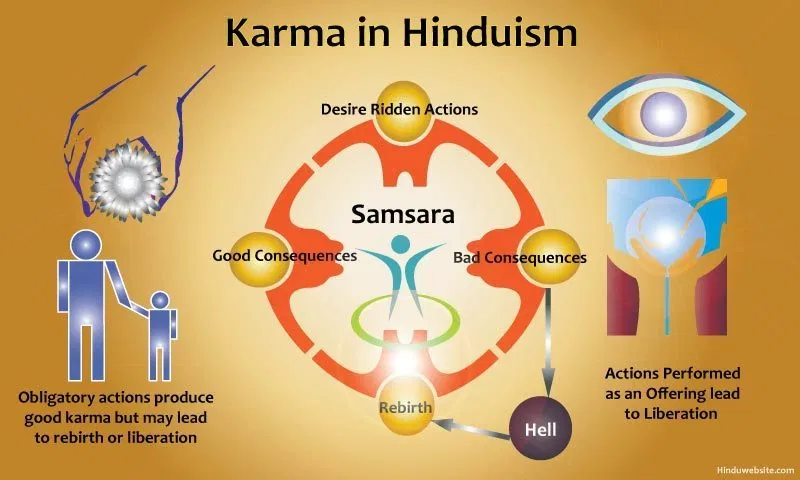
The concept of dharma is closely related to the idea of karma, which refers to the law of cause and effect. According to Hindu belief, every action has a consequence, and the quality of our actions determines our destiny in this life and beyond. Dharma provides a framework for ethical behavior that helps us to align our actions with the natural order of the universe and avoid negative karma.
Types of Dharma
Hinduism recognizes four main types of dharma:
- Sanatana dharma: The eternal dharma, which represents the fundamental principles of the universe and the underlying order of things.
- Varnashrama dharma: The dharma based on one’s social class and stage of life. This includes duties and responsibilities appropriate to one’s caste and age.
- Apad dharma: The dharma that applies in times of distress or emergency. It may involve breaking other types of dharma in order to protect life or preserve the greater good.
- Yuga dharma: The dharma that is appropriate for a particular era or age. It changes over time as society evolves.
Dharma in Practice
Dharma manifests itself in a variety of ways in Hindu life. Some examples include:
- Ethical conduct: Dharma guides individuals in their daily interactions with others, promoting honesty, compassion, and respect.
- Social responsibility: Dharma encourages individuals to contribute to the well-being of their community and society as a whole.
- Religious practice: Dharma includes the performance of religious rituals and ceremonies, which help individuals to connect with the divine and fulfill their spiritual obligations.
- Occupational duties: Dharma also encompasses the fulfillment of one’s occupational responsibilities with excellence and integrity.
The Importance of Dharma
Dharma is essential for creating a harmonious society and for achieving personal fulfillment. By living in accordance with dharma, individuals can:
- Avoid negative karma and create a positive destiny
- Experience inner peace and contentment
- Contribute to the well-being of others
- Realize their full potential
- Understand the purpose of their existence
Conclusion
Dharma is a profound and multifaceted concept that lies at the heart of Hindu thought and practice. It is a guiding principle that helps individuals to live ethically, responsibly, and in harmony with the natural order of the universe. By embracing dharma, we can create a better world for ourselves, for others, and for generations to come.## Exploring The Hindu Concept Of Dharma: A Comprehensive Guide
Executive Summary
Dharma is a central concept in Hinduism that encompasses duty, righteousness, and ethical conduct. It is a guiding principle that shapes the lives of Hindus and influences their behavior, beliefs, and actions. This comprehensive guide explores the multifaceted nature of Dharma, its significance in Hinduism, and its practical applications in daily life.
Introduction
In Hinduism, Dharma holds profound importance, serving as a moral compass and a framework for ethical living. It is not merely a set of rules or commandments but a profound concept that permeates every aspect of human existence. Understanding Dharma is crucial for comprehending the essence of Hinduism and its profound impact on Indian culture and society.
FAQs
1. What is the literal meaning of Dharma?
Dharma translates to “that which upholds” or “that which sustains.” It is a multifaceted concept that encompasses duty, righteous conduct, morality, and the natural order of things.
2. Why is Dharma considered central to Hinduism?
Dharma is the foundation of Hindu ethics and guides the actions of individuals towards a virtuous and meaningful life. It is believed that adherence to Dharma brings peace, harmony, and spiritual liberation.
3. How does Dharma differ from Karma?
Karma refers to the law of cause and effect, while Dharma encompasses a broader set of ethical principles and obligations. Dharma guides the choices and actions that determine one’s Karma and destiny.
Top 5 Subtopics
Personal Dharma
Personal Dharma refers to the specific duties and responsibilities an individual has based on their unique circumstances. It includes:
- Varna: The four social classes or castes in Hinduism.
- Ashrama: The four stages of life: student, householder, forest-dweller, and renunciate.
- Swadharma: One’s own personal duty and purpose.
- Grihasta Dharma: The duties and responsibilities of a householder.
Social Dharma
Social Dharma emphasizes the ethical obligations individuals have towards society. It includes:
- Righteousness: Adherence to moral principles and just conduct.
- Non-violence (Ahimsa): Respect for all living beings.
- Respect for Elders: Honoring and valuing those who have lived longer and gained wisdom.
- Truthfulness (Satya): Speaking and acting with integrity and honesty.
Political Dharma
Political Dharma pertains to the ethical conduct of rulers and leaders. It includes:
- Just Governance: Upholding justice, equality, and the well-being of all citizens.
- Protection of the Weak: Safeguarding the vulnerable and marginalized.
- Accountability: Holding leaders responsible for their actions.
- Renunciation of Power: Recognizing the transient nature of political power and being willing to relinquish it ethically.
Environmental Dharma
Environmental Dharma emphasizes the responsibility towards the environment. It includes:
- Care for Nature: Respecting and preserving the natural world.
- Conservation: Protecting natural resources and preventing pollution.
- Sustainable Living: Adopting practices that minimize environmental impact.
- Harmony with Nature: Recognizing the interconnectedness of all living beings and the environment.
Universal Dharma
Universal Dharma transcends personal, social, and political contexts, emphasizing the unity of all beings. It includes:
- Atmavada: The belief in the oneness of all souls.
- Love and Compassion: Extending kindness and empathy to all beings.
- Service to Humanity: Engaging in acts of selfless service to uplift others.
- Renunciation of Ego: Transcending individual desires and attachments for the greater good.
Conclusion
Dharma is a profound and multifaceted concept that encapsulates the essence of Hindu ethics and spirituality. It provides a framework for righteous living, social harmony, political justice, environmental stewardship, and universal love. Understanding and practicing Dharma is essential for personal transformation, societal well-being, and spiritual liberation.
Keyword Tags
- Dharma
- Hindu Ethics
- Personal Dharma
- Social Dharma
- Universal Dharma