
Living a Life of Righteousness in Hinduism: Understanding the Role of Dharma
Dharma, a central concept in Hinduism, encompasses the principles of righteousness, virtue, and moral duty. It guides individuals’ thoughts, actions, and behaviors, shaping the path towards a virtuous life.
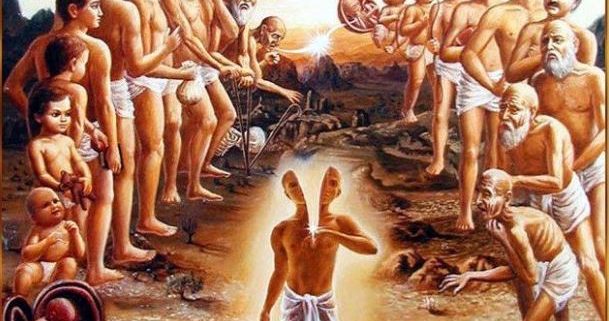
What is Dharma?
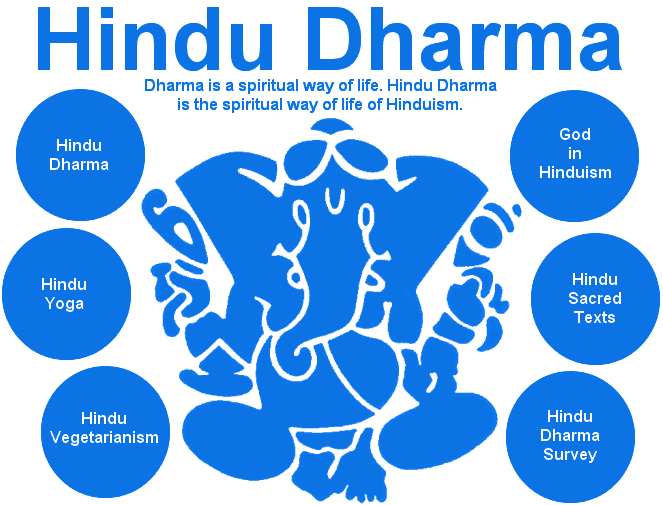
Dharma is derived from the root word “dhri,” meaning “to support, uphold, or sustain.” It represents the cosmic order and harmony that governs the universe. Dharma encompasses the laws, duties, and obligations that individuals are expected to uphold in order to maintain balance and well-being.
The Four Pillars of Dharma
Dharma is often understood through the concept of the four pillars, known as “Purusharthas”:
- Dharma (Righteousness): Acting in accordance with moral principles, ethical values, and societal norms.
- Artha (Prosperity): Acquiring material wealth and resources through legitimate means.
- Kama (Desire): Satisfying one’s desires and sensual pleasures within the boundaries of morality.
- Moksha (Liberation): Attaining spiritual enlightenment and freedom from the cycle of birth and rebirth.
The Role of Karma
Karma, the law of cause and effect, is closely intertwined with Dharma. Each action, whether good or bad, creates a certain karmic reaction that shapes the individual’s future experiences. By adhering to Dharma, individuals can accumulate positive karma, resulting in favorable outcomes and spiritual growth.
How to Practice Dharma
Practicing Dharma involves adhering to certain principles and guidelines:
- Speak truthfully: Avoid lying, gossip, and malicious speech.
- Be honest: Engage in ethical conduct and avoid stealing or cheating.
- Respect others: Treat others with compassion, empathy, and equality.
- Perform your duties: Uphold your responsibilities to your family, community, and society.
- Seek knowledge: Study sacred texts, scriptures, and wisdom traditions to deepen your understanding of Dharma.
Benefits of Living a Righteous Life
Living according to Dharma brings numerous benefits, including:
- Inner peace and happiness: Adhering to moral principles brings a sense of inner contentment and well-being.
- Spiritual growth: Dharma guides individuals towards spiritual enlightenment and liberation.
- Social harmony: When individuals live by righteous principles, it contributes to a more ethical and harmonious society.
- Positive karma: Good deeds performed in accordance with Dharma accumulate positive karma, leading to favorable outcomes in this life and beyond.
Conclusion
Dharma provides a framework for living a virtuous and purposeful life in Hinduism. By understanding its principles, practicing its guidelines, and embracing its wisdom, individuals can shape a path of righteousness, inner peace, and spiritual growth. Dharma serves as a guiding light, illuminating the way towards a life of harmony, fulfillment, and ultimate liberation.## Living A Life Of Righteousness In Hinduism: Understanding The Role Of Dharma
Executive Summary
Dharma is a central concept in Hinduism, representing the moral and ethical principles that guide individual and societal conduct. By adhering to the tenets of dharma, Hindus strive to live a righteous and virtuous life, contributing to the harmony and well-being of the community and the universe. This article explores the multifaceted nature of dharma, its role in shaping individual character and social order, and its significance in the pursuit of spiritual liberation.
Introduction
Hinduism, one of the world’s oldest and most diverse religions, places great emphasis on the concept of dharma, which encompasses a wide range of duties, obligations, and responsibilities that shape an individual’s life and behavior. Dharma is not merely a set of moral precepts but a dynamic and transformative force that permeates all aspects of Hindu society and spirituality.
FAQs
- What is the origin of dharma?
- Dharma is believed to have originated from the cosmic order established by the creator god, Brahman. It is an inherent aspect of the universe and guides the actions of all beings.
- Is dharma the same for everyone?
- Dharma varies according to an individual’s caste, stage of life, and social position. Each person has a specific set of duties and responsibilities based on their unique circumstances.
- How does dharma relate to karma?
- Dharma and karma are closely intertwined. Adhering to dharma leads to positive karma, while violating it results in negative karma. Karma determines an individual’s destiny and the cycle of rebirth.
Subtopics
The Nature of Dharma
- Eternal and Immutable: Dharma is considered to be eternal and unchanging, transcending time and human will. It is the foundation upon which the universe operates and provides the framework for human conduct.
- Universal and Inclusive: Dharma applies to all beings, regardless of their social status, gender, or religion. It recognizes the interconnectedness of all life and promotes harmony and compassion.
- Dynamic and Contextual: While dharma is ultimately unchangeable, its manifestations may vary depending on the specific context and circumstances. Individual dharma is influenced by factors such as caste, age, and environment.
The Four Purusharthas
Dharma forms the foundation for the four purusharthas, or goals of human life:
- Dharma: Righteousness and ethical conduct
- Artha: Material prosperity and wealth
- Kama: Fulfillment of desires and pleasures
- Moksha: Spiritual liberation and union with the divine
Dharma in Daily Life
- Individual Duties: Dharma guides individuals in their daily actions, including how they treat others, perform their jobs, and interact with the environment.
- Social Responsibilities: Dharma extends beyond personal conduct to include responsibilities towards society, such as caring for the elderly, protecting the environment, and contributing to the well-being of the community.
- Cosmic Order: Adhering to dharma helps maintain the harmony and balance of the universe. It ensures that all beings fulfill their roles and contribute to the cosmic order.
Dharma and the Stages of Life
- Brahmacharya (Student): Focus on education, self-discipline, and the acquisition of knowledge.
- Grihastha (Householder): Fulfillment of family obligations, raising children, and contributing to society.
- Vanaprastha (Forest Dweller): Gradual withdrawal from worldly affairs, reflection, and spiritual practices.
- Sannyasa (Renunciate): Complete renunciation of material possessions and attachments, focusing on spiritual enlightenment.
Dharma and Spiritual Liberation
- Liberation from Samsara: Dharma is essential for breaking free from the cycle of birth and death (samsara). By fulfilling their duties, individuals accumulate good karma and progress towards spiritual liberation.
- Union with the Divine: Adhering to dharma purifies the mind and heart, creating the necessary conditions for experiencing the ultimate union with the divine (Brahman).
- Attainment of Moksha: Moksha, the ultimate goal of Hinduism, is achieved through the realization of dharma and the dissolution of all desires and attachments.
Conclusion
Dharma is the cornerstone of a righteous and fulfilling life in Hinduism. It provides a comprehensive framework for ethical conduct, social harmony, and spiritual progress. By embodying the principles of dharma, individuals contribute to the well-being of society, the universe, and ultimately, their own spiritual liberation. As a multifaceted and dynamic concept, dharma continues to inspire and guide Hindus in their pursuit of a righteous and meaningful existence.
Keyword Tags
- Dharma
- Hinduism
- Righteousness
- Ethics
- Spiritual Liberation