The Hindu Concept of Moksha: Understanding Liberation and Ultimate Reality

Introduction
Moksha, a pivotal concept in Hinduism, signifies liberation from the cycle of birth, death, and rebirth, leading to the realization of ultimate reality. This article delves into the multifaceted nature of moksha, exploring its various interpretations, paths to attainment, and its profound implications for human existence.
Meaning and Etymology
Moksha, derived from the Sanskrit root “muc,” meaning “to release,” encapsulates the concept of freedom or liberation. It refers to the ultimate state of liberation from the bondage of karma, the law of cause and effect, and the limitations of the material world.
Paths to Moksha
Hinduism offers multiple paths to attain moksha, each emphasizing different aspects of spiritual practice:
- Jnana Yoga (Path of Knowledge): Through philosophical inquiry and self-realization, this path leads to the understanding that the self (Atman) is identical with the divine (Brahman).
- Karma Yoga (Path of Action): By performing selfless actions without attachment to the fruits of labor, this path purifies the mind and prepares it for higher knowledge.
- Bhakti Yoga (Path of Devotion): Through intense love and surrender to a chosen deity, this path fosters a deep connection with the divine and ultimately leads to liberation.
Forms of Moksha

- Jivanmukti (Liberation in Life): Achieving spiritual liberation while still living in the physical body.
- Videhamukti (Liberation after Death): Attaining moksha upon shedding the physical body.
- Kaivalya (Absolute Liberation): The merging of the individual soul with Brahman, resulting in a state of pure bliss and oneness.
Ultimate Reality
Moksha is synonymous with the realization of Brahman, the ultimate reality in Hinduism. Brahman is described as being:
- Nirguna (Attributeless): Transcending all qualities and limitations.
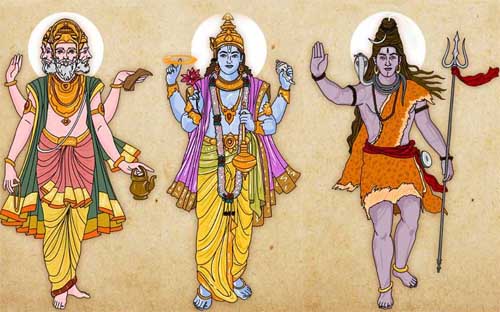
- Saguna (With Attributes): Manifest in various forms, such as the personal deities of Hinduism.
- Sat-Chit-Ananda (Being-Consciousness-Bliss): The essence of all existence and the source of true happiness.
Implications of Moksha
Attaining moksha has profound implications for human life:
- Freedom from Suffering: Liberation from the cycle of rebirth frees individuals from the pain and suffering associated with life in the material world.
- Oneness with the Divine: Moksha leads to the realization of the unity between the individual self and the ultimate reality.
- Ultimate Fulfillment: It represents the highest state of human existence, characterized by everlasting peace, joy, and fulfillment.
Conclusion
The Hindu concept of moksha provides a profound and transformative path to liberation and the realization of ultimate reality. Through various practices and disciplines, individuals can strive to break free from the limitations of the material world and attain the ultimate goal of spiritual liberation. Moksha offers a beacon of hope and a glimpse into the boundless possibilities of human potential and the interconnectedness of all existence.## The Hindu Concept of Moksha: Understanding Liberation and Ultimate Reality
Executive Summary
Moksha, a central concept in Hinduism, represents the ultimate goal of liberation from the cycle of birth and rebirth. It involves the realization of the true Self and its ultimate unity with Brahman, the divine ground of all existence. This article explores the multifaceted nature of Moksha, examining its essential elements, paths to attainment, and implications for personal and spiritual growth.
Introduction
Hinduism, a rich and diverse spiritual tradition, places great emphasis on the concept of Moksha, or liberation. It is the ultimate goal towards which all Hindu practices and beliefs are directed. Moksha signifies release from the cycle of Samsara, the endless round of birth, death, and rebirth, and the attainment of a state of unity with the divine. This article will delve into the profound concept of Moksha, exploring its philosophical foundations, spiritual practices, and the transformative journey it entails.
FAQs
- What is the ultimate goal of Hinduism?
- Moksha, or liberation from the cycle of birth and rebirth.
- How is Moksha achieved?
- Through various paths, including yoga, meditation, devotion, and selfless action.
- What is the state of Moksha like?
- Beyond human comprehension, characterized by unity with Brahman and freedom from all limitations.
Subtopics
1. The Nature of Moksha
- Transcendence of Samsara: Moksha involves breaking free from the cycle of birth, death, and rebirth.
- Unity with Brahman: Realization of the true Self and its inseparability from Brahman, the divine Absolute.
- Liberation from Suffering: Moksha brings an end to all forms of suffering, including birth, disease, old age, and death.
- State of Supreme Bliss: It is characterized by profound joy, inner peace, and eternal fulfillment.
2. Paths to Moksha
- Jnana Yoga: Path of knowledge, emphasizing study of scriptures and contemplation of the true nature of reality.
- Bhakti Yoga: Path of devotion, focusing on worship of specific deities as manifestations of Brahman.
- Karma Yoga: Path of selfless action, performing duties without attachment to results.
- Raja Yoga: Path of meditation, involving concentration and control of the mind and body.
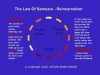
3. Karma and Reincarnation
- Law of Karma: Moksha is influenced by one’s past actions, which create karmic burdens that must be resolved.
- Cycle of Reincarnation: Liberation requires working through bad karma and generating good karma to break the cycle of rebirth.
- Importance of Dharma: Adhering to righteous conduct and ethical principles helps to accelerate spiritual progress towards Moksha.
4. The Role of the Guru
- Spiritual Guide: A guru plays a crucial role in guiding disciples towards Moksha.
- Transmission of Knowledge: Imparts wisdom and insights into the nature of reality and the path to liberation.
- Personal Relationship: Provides emotional and spiritual support, helping disciples navigate the challenges of the spiritual journey.
5. Obstacles and Challenges
- Attachment: Desires, possessions, and relationships can hinder spiritual progress.
- Ego: The sense of self and individuality can create barriers to realization of unity with Brahman.
- Ignorance: Lack of understanding about the true nature of reality and the path to liberation.
- Fear of Death: Attachment to life and fear of the unknown can impede the journey towards Moksha.
Conclusion
The concept of Moksha in Hinduism represents the ultimate goal of human existence. It is a state of liberation, unity, and supreme bliss that transcends the limitations of the physical world and the ego. While the path to Moksha is arduous, it is a transformative journey that leads to profound personal and spiritual growth. By understanding the essential elements, paths, and obstacles associated with Moksha, individuals can embark on a quest for liberation and experience the ultimate realization of their true Self.
Keyword Tags
- Moksha
- Liberation
- Hinduism
- Brahman
- Samsara