Pilgrimage: A Cultural Heritage in India
Introduction
India, a land of diverse cultures and religions, holds a deep-rooted tradition of pilgrimage that has played a pivotal role in shaping its cultural heritage. Pilgrimage sites, scattered across the length and breadth of the country, attract millions of devotees annually, seeking spiritual enlightenment, blessings, and the opportunity to pay homage to their revered deities. This essay aims to explore the various traditions of pilgrimage in India, highlighting their significance and the cultural heritage they embody.
Significance of Pilgrimage in India
Pilgrimage has been an integral part of Indian society for centuries. In Hinduism, it is believed that undertaking a pilgrimage washes away sins, purifies the soul, and accumulates spiritual merit. Temples, rivers, mountains, and forests have been designated as sacred pilgrimage sites, attracting devotees from different walks of life. Pilgrimage also fosters a sense of community and belonging, as people from diverse backgrounds come together in shared devotion.
Major Pilgrimage Sites in India
-
Char Dham: The Char Dham, consisting of Badrinath, Dwarka, Jagannath Puri, and Rameshwaram, are considered the four most sacred pilgrimage sites for Hindus. Visiting these holy places is believed to cleanse one’s sins and open the path to moksha (liberation).
-
Ganga River: The Ganges, considered the most sacred river in Hinduism, is revered for its purifying qualities. Millions of devotees flock to its banks at pilgrimage sites such as Haridwar and Varanasi to bathe in its holy water and seek divine blessings.
-
Amarnath Cave: Located in Kashmir, the Amarnath Cave is a revered pilgrimage site dedicated to Lord Shiva. Devotees undertake an arduous trek through challenging terrain to reach the cave, where they are rewarded with the sight of an ice lingam, representing Lord Shiva himself.
-
Sabarimala Temple: In Kerala, the Sabarimala Temple is a famous pilgrimage destination for devotees of Lord Ayyappa. The annual pilgrimage to Sabarimala attracts millions of male devotees, who observe strict rituals and penances before entering the temple.
-
Golden Temple: The Golden Temple in Amritsar, Punjab, is the holiest site for Sikhs. Devotees converge at the temple to soak in the serene atmosphere, offer prayers, and pay homage to the Sikh Gurus.
Cultural Traditions Associated with Pilgrimage
-
Rituals and Customs: Pilgrimage in India is often accompanied by specific rituals and customs. Devotees may bathe in sacred rivers, offer prayers, circumambulate temples, or perform specialized pujas. Some also engage in ascetic practices, such as fasting, sleeping on the ground, or carrying heavy objects as a form of penance.
-
Accommodation and Aarti: Many pilgrimage sites provide accommodation to pilgrims in the form of dharamshalas or guest houses. Evening aarti ceremonies, where lamps or incense are lit in worship of deities, are a common sight at pilgrimage centers.
-
Souvenirs and Offerings: Pilgrims often purchase souvenirs, such as religious artifacts, jewelry, or clothing, as a memento of their visit. They may also offer donations to temples or support local charities as a way of giving back to the community.
Conclusion
Pilgrimage in India is a rich and vibrant tradition that has shaped the country’s cultural heritage for centuries. From the sacred Char Dham to the serene Ganga River, from the challenging Amarnath Cave to the bustling Sabarimala Temple, pilgrimage sites attract millions of devotees every year, offering them opportunities for spiritual enlightenment, purification, and community. The rituals, customs, and cultural traditions associated with pilgrimage in India are a testament to the deep-rooted faith and devotion of the people, and continue to play a vital role in preserving and perpetuating India’s cultural heritage.## pilgrimage As A Cultural Heritage: Exploring The Traditions Across India
Executive Summary
Pilgrimage is a journey to a holy place for religious reasons. It is a practice that has been followed for centuries across different cultures and religions around the world. In India, pilgrimage has a special significance and is deeply ingrained in the country’s cultural heritage. This article explores the various pilgrimage traditions that exist across India, highlighting their historical, religious, and cultural importance.
Introduction
India is a land of immense diversity, and this diversity is reflected in its rich religious and cultural traditions. Pilgrimage is an integral part of this heritage, and it has shaped the cultural landscape of the country. From the ancient Hindu pilgrimage sites on the banks of the Ganges to the Buddhist pilgrimage sites in the Himalayas, India is dotted with holy places that attract millions of pilgrims every year.
FAQs
-
What is the significance of pilgrimage in Indian culture?
- Pilgrimage is a way for devotees to connect with their deities and seek their blessings.
- It is also seen as a way to purify oneself from sins and attain spiritual merit.
- Pilgrimage sites are often associated with legends and miracles, which adds to their religious significance.
-
What are the different types of pilgrimage traditions in India?
- There are many different types of pilgrimage traditions in India, each associated with a particular religion or sect.
- Some of the most popular pilgrimage traditions include the Char Dham Yatra (Hindu), the Kailash Manasarovar Yatra (Hindu), and the Amarnath Yatra (Hindu).
-
What are the benefits of going on a pilgrimage?
- Pilgrimage can provide a deep sense of spiritual fulfillment and connection.
- It can also be a transformative experience, leading to personal growth and a change in perspective.
- Pilgrimage can also be a way to learn about different cultures and traditions.
Char Dham Yatra
The Char Dham Yatra is one of the most important pilgrimage traditions in Hinduism. It involves visiting four holy sites: Badrinath, Kedarnath, Gangotri, and Yamunotri. These sites are located in the Garhwal Himalayas and are associated with the gods Vishnu, Shiva, Ganga, and Yamuna, respectively.
- Badrinath: Badrinath is the abode of Lord Vishnu and is one of the most sacred pilgrimage sites in Hinduism. The temple of Badrinath is situated on the banks of the Alaknanda River and is surrounded by snow-capped peaks.
- Kedarnath: Kedarnath is the abode of Lord Shiva and is located in the Kedarnath Valley. The temple of Kedarnath is situated at an altitude of 3,584 meters and is surrounded by glaciers and waterfalls.
- Gangotri: Gangotri is the source of the Ganges River and is considered to be one of the holiest places in Hinduism. The temple of Gangotri is situated on the banks of the Bhagirathi River and is surrounded by mountains.
- Yamunotri: Yamunotri is the source of the Yamuna River and is considered to be one of the holiest places in Hinduism. The temple of Yamunotri is situated on the banks of the Yamuna River and is surrounded by forests.
Kailash Manasarovar Yatra
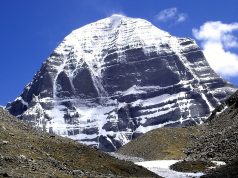
The Kailash Manasarovar Yatra is a pilgrimage to Mount Kailash and Lake Manasarovar in Tibet. Mount Kailash is considered to be the sacred abode of Lord Shiva and is a pilgrimage site for Hindus, Buddhists, and Jains. Lake Manasarovar is considered to be a holy lake and is said to have the power to purify sins.
- Mount Kailash: Mount Kailash is a mountain peak in the Himalayas and is considered to be the sacred abode of Lord Shiva. The mountain is surrounded by glaciers and is a UNESCO World Heritage Site.
- Lake Manasarovar: Lake Manasarovar is a lake in Tibet and is considered to be a holy lake. The lake is surrounded by mountains and is a popular pilgrimage site for Hindus, Buddhists, and Jains.
Amarnath Yatra
The Amarnath Yatra is a pilgrimage to the Amarnath Cave in Jammu and Kashmir. The cave is located at an altitude of 3,888 meters and is home to a naturally formed ice lingam that is said to be a representation of Lord Shiva. The pilgrimage takes place during the summer months and attracts millions of pilgrims every year.
- Amarnath Cave: The Amarnath Cave is a cave located in Jammu and Kashmir and is home to a naturally formed ice lingam that is said to be a representation of Lord Shiva. The cave is situated at an altitude of 3,888 meters and is surrounded by glaciers and mountains.
- Ice Lingam: The ice lingam is a naturally formed ice formation that is said to be a representation of Lord Shiva. The lingam is located in the Amarnath Cave and is surrounded by glaciers and mountains.
Conclusion
Pilgrimage is a deeply ingrained part of Indian culture and heritage. It is a way for devotees to connect with their deities, seek their blessings, and purify themselves from sins. Pilgrimage sites are often associated with legends and miracles, which adds to their religious significance. The Char Dham Yatra, Kailash Manasarovar Yatra, and Amarnath Yatra are just a few examples of the many pilgrimage traditions that exist across India. These traditions continue to attract millions of pilgrims every year, providing a deep sense of spiritual fulfillment and connection.
Keywords
- Pilgrimage
- India
- Char Dham Yatra
- Kailash Manasarovar Yatra
- Amarnath Yatra