Building Green with Hinduism: Unveiling the Sustainable Principles of Vastu Shastra
Vastu Shastra, an ancient Hindu architectural tradition, has been guiding sustainable construction practices for centuries. Based on the belief that the universe is made up of five elements (earth, water, fire, air, and space), Vastu Shastra provides a holistic approach to building that considers the natural environment and human well-being.

Principles of Vastu Shastra
- Orientation: Buildings should be oriented towards the east or north to maximize natural sunlight and ventilation.
- Shape: Buildings should have square or rectangular shapes, with an east-west axis, to balance energy flow.
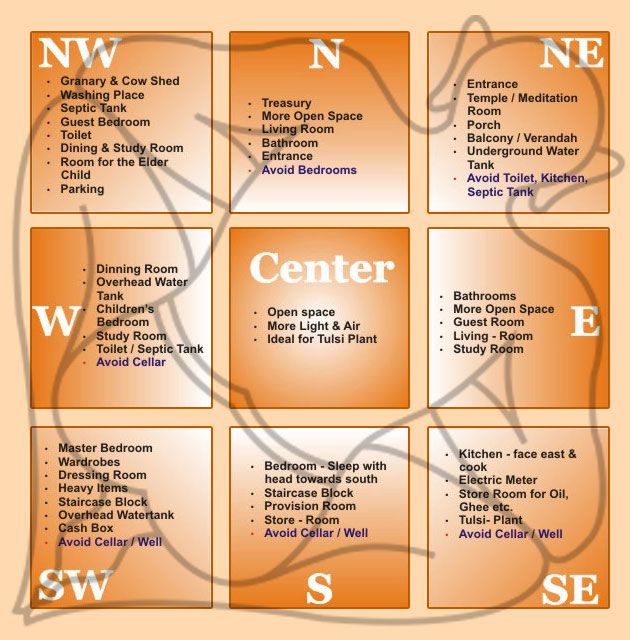
- Layout: Rooms should be arranged in specific zones based on their function, such as the kitchen in the southeast for fire and the bedroom in the southwest for restful sleep.
- Ventilation: Openings for windows, doors, and skylights should be carefully placed to promote natural cross-ventilation and airflow.
- Water Management: Rainwater harvesting systems should be incorporated to collect and reuse rainwater.
- Materials: Natural materials, such as wood, stone, and clay, are preferred for their environmental benefits and energy efficiency.
Sustainability in Vastu Shastra
Vastu Shastra aligns with modern sustainability principles:
- Energy Efficiency: Optimized orientation and ventilation reduce energy consumption for heating, cooling, and lighting.
- Water Conservation: Rainwater harvesting reduces reliance on municipal water supplies.
- Healthy Environment: Natural ventilation and ample sunlight create a healthier indoor environment, reducing the need for air conditioning and improving air quality.
- Material Sustainability: Using natural and locally sourced materials reduces environmental impact and supports local economies.
- Well-being: By considering human well-being, Vastu Shastra creates spaces that promote comfort, tranquility, and productivity.
Examples of Vastu Shastra Buildings
- The Green School in Bali, Indonesia: An award-winning eco-school designed based on Vastu Shastra principles, featuring natural ventilation, rainwater harvesting, and sustainable materials.
- The Auroville Matrimandir in India: A meditation center that incorporates Vastu Shastra principles for its circular shape, central dome, and focus on natural light and ventilation.
- The Temple of Elemental Harmony in Massachusetts, USA: A retreat center designed according to Vastu Shastra, emphasizing alignment with nature and the use of organic materials.
Conclusion
Vastu Shastra offers a holistic and sustainable approach to building that has been practiced for centuries. By aligning with the natural environment and human well-being, its principles can guide modern construction towards greater sustainability while preserving the wisdom of ancient knowledge.## Building Green With Hinduism: Unveiling The Sustainable Principles Of Vastu Shastra
Vastu Shastra is an ancient Indian system of architecture and design that provides guidelines for constructing buildings and spaces that are in harmony with nature and the cosmos. The principles of Vastu Shastra have been used for centuries to create sustainable and healthy environments, and they can be applied to modern buildings as well.
Executive Summary
This article provides an overview of the principles of Vastu Shastra and how they can be used to create sustainable buildings. The article discusses the five elements of Vastu Shastra (earth, water, fire, air, and space), the eight directions, and the importance of natural light and ventilation. The article also provides tips for incorporating Vastu Shastra principles into modern buildings.
Introduction
Vastu Shastra is an ancient Indian system of architecture and design that aims to create harmony between buildings and their surroundings. It is based on the belief that the five elements of nature (earth, water, fire, air, and space) are present in all things and that the design of a building can affect the well-being of its occupants.
FAQ
- What are the benefits of using Vastu Shastra principles in building design?
Vastu Shastra principles can lead to several benefits, including:
-
Improved health and well-being
-
Increased productivity
-
Reduced stress levels
-
Enhanced creativity
-
Greater harmony with nature
-
How can I incorporate Vastu Shastra principles into my home?
There are many ways to incorporate Vastu Shastra principles into your home. Some simple tips include:
-
Locate your bed in the southwest corner of your bedroom. This is considered the most auspicious direction for sleep.
-
Place your kitchen in the southeast corner of your home. This direction is associated with fire and cooking.
-
Create a living room in the northeast corner of your home. This direction is associated with air and knowledge.
-
Ensure that there is natural light and ventilation in all of your rooms. This will help to create a healthy and balanced environment.
-
Is Vastu Shastra only for religious buildings?
No, Vastu Shastra is not only for religious buildings. It can be applied to any type of building, including homes, offices, schools, hospitals, and even factories.
Subtopics
Five Elements of Vastu
The five elements of nature (earth, water, fire, air, and space) are the foundation of Vastu Shastra. Each element is associated with a specific direction and quality.
- Earth: Southwest, stability
- Water: Northwest, fluidity
- Fire: Southeast, passion
- Air: Northeast, communication
- Space: Center, openness
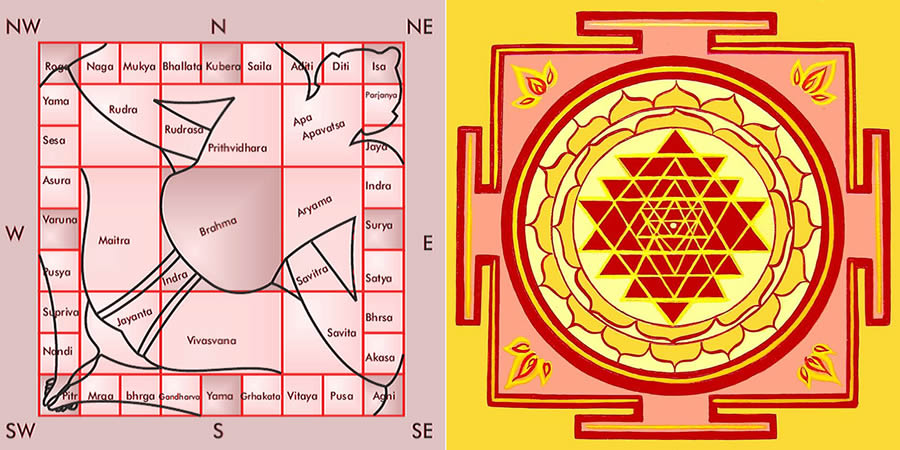
Eight Directions
The eight directions are also essential in Vastu Shastra. Each direction is associated with a planet and a deity.
- East: Sun, Indra
- Southeast: Mars, Agni
- South: Pluto, Yama
- Southwest: Rahu, Ketu
- West: Saturn, Varuna
- Northwest: Moon, Vayu
- North: Mercury, Kubera
- Northeast: Jupiter, Ishana
Natural Light and Ventilation
Natural light and ventilation are essential for creating a healthy and sustainable building. Vastu Shastra recommends that all rooms have access to natural light and ventilation.
- Natural light: Sunlight has many benefits, including improving mood, boosting productivity, and reducing stress.
- Ventilation: Proper ventilation helps to circulate air and remove pollutants. It can also help to reduce moisture levels, which can prevent mold and mildew growth.
Sustainable Materials
Vastu Shastra encourages the use of sustainable materials in construction. These materials include:
- Natural materials: Natural materials, such as wood, stone, and bamboo, are renewable and environmentally friendly.
- Recycled materials: Recycled materials, such as glass and metal, help to reduce waste and pollution.
- Energy-efficient materials: Energy-efficient materials, such as insulation and double-glazed windows, can help to reduce energy consumption.
Water Conservation
Water conservation is an important aspect of Vastu Shastra. The following tips can help you to conserve water:
- Install low-flow fixtures. Low-flow fixtures, such as toilets and showerheads, can help to reduce water usage by up to 50%.
- Collect rainwater. Rainwater can be collected and used for watering plants, washing cars, and other non-potable purposes.
- Use drought-tolerant plants. Drought-tolerant plants require less water to survive.
Conclusion
Vastu Shastra is a holistic system of architecture and design that can be used to create sustainable and healthy buildings. By incorporating Vastu Shastra principles into your building design, you can create a space that is in harmony with nature and that promotes the well-being of its occupants.
Keywords
- Vastu Shastra
- Sustainable architecture
- Green building
- Energy efficiency
- Water conservation