
Breaking Barriers: How The Bhakti Movement Empowered Women In Hinduism
The Bhakti movement, a religious and social reform movement that swept across India from the 7th to the 17th centuries, brought about significant changes in the lives of women. Prior to the Bhakti movement, women in Hinduism were largely confined to domestic roles and had limited access to religious and spiritual practices. However, the Bhakti movement challenged these traditional norms and empowered women by:
1. Recognizing Women as Spiritual Beings:

The Bhakti movement emphasized the inherent divinity of all individuals, regardless of gender. It taught that women were capable of achieving spiritual enlightenment and union with the divine just like men. This belief empowered women to seek spiritual fulfillment and participate fully in religious practices.
2. Allowing Women to Become Devotees and Saints:
The Bhakti movement welcomed women as devotees and saints, recognizing their spiritual abilities and contributions. Female saints, such as Mirabai and Andal, became widely respected for their devotion, poetry, and religious teachings. Their stories inspired other women to embrace their own spiritual journeys.
3. Challenging Caste and Social Hierarchy:
The Bhakti movement rejected the rigid caste system that marginalized women. It emphasized that devotion to the divine transcended social boundaries, creating a level playing field for women to pursue spiritual growth. This challenged the traditional authority of male priests and allowed women to access religious knowledge and practices.
4. Promoting Gender Equality in Worship:
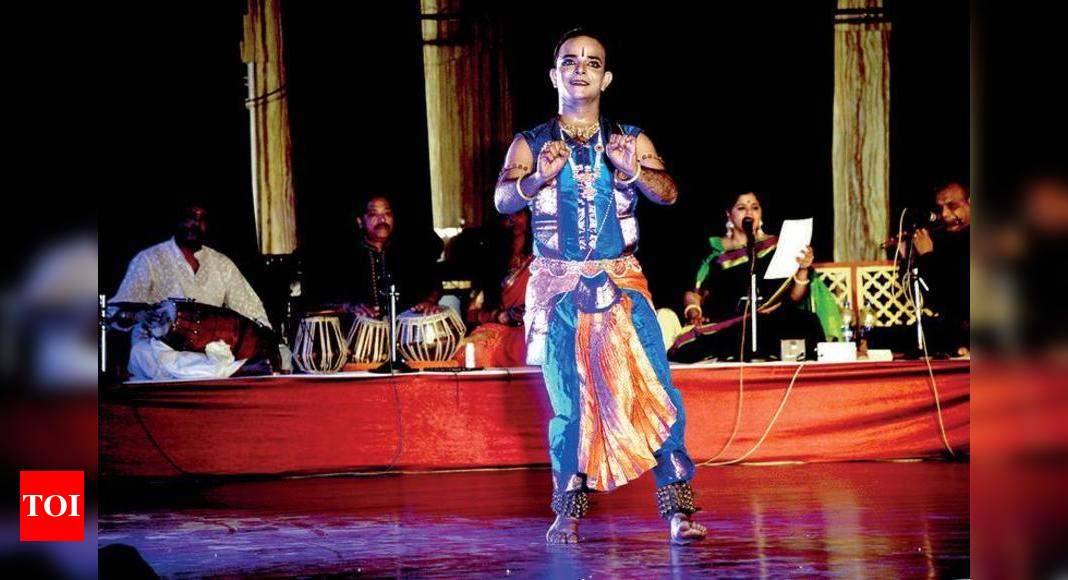
The Bhakti movement encouraged women to participate in religious rituals and worship alongside men. They were allowed to sing devotional songs, perform dances, and offer prayers in temples. This active participation empowered women and fostered a sense of equality within religious communities.
5. Providing Religious Education and Empowerment:
Many Bhakti saints established educational institutions called “mathas” and “ashrams” where women could receive religious education and training. These institutions provided women with knowledge of scriptures, philosophy, and spiritual practices, empowering them with intellectual and spiritual authority.
The Bhakti movement’s emphasis on devotion, equality, and spiritual awakening created a space for women to break free from traditional societal constraints. It allowed them to express their spiritual aspirations, challenge gender norms, and actively participate in religious life. The legacy of the Bhakti movement continues to inspire women in Hinduism today, empowering them to pursue their spiritual journeys and contribute to the religious traditions of their faith.Breaking Barriers: How The Bhakti Movement Empowered Women In Hinduism
Executive Summary
The Bhakti movement, a significant religious reformation in Hinduism, played a transformative role in empowering women during the medieval period. By challenging prevailing patriarchal norms and elevating the status of female devotees, the movement fostered a more inclusive and equitable society. This article explores the profound impact of the Bhakti movement on women’s empowerment, examining its key subtopics and providing specific examples of its transformative power.
Introduction
The Bhakti movement, which flourished between the 12th and 18th centuries, was characterized by its emphasis on personal devotion, direct communion with God, and the rejection of intricate rituals and priestly intermediaries. This movement empowered women by breaking down traditional hierarchies, providing them with access to religious knowledge and practices, and inspiring them to become active participants in society.
FAQs
- What is the Bhakti movement?
- How did the Bhakti movement empower women?
- What are some examples of women empowered by the Bhakti movement?
Key Subtopics
Spiritual Empowerment
The Bhakti movement recognized the inherent spiritual capacity of all individuals, regardless of gender. Women were encouraged to pursue spiritual enlightenment through devotional practices such as meditation, chanting, and pilgrimage.
- Access to Religious Knowledge: Female devotees had access to religious texts and teachings that had previously been restricted to men.
- Devotional Practices: Women engaged in spiritual practices like bhajan (devotional singing) and kirtan (group chanting) to connect with their chosen deities.
- Female Saints and Gurus: Women like Mirabai and Andal emerged as revered saints and spiritual guides, challenging orthodox notions of male superiority.
Social Inclusion
The Bhakti movement broke down social barriers that marginalized women. Devotees from all walks of life, including women, were welcomed into temple worship and religious gatherings.
- Temple Entry: Women were allowed to enter temples and participate in religious ceremonies alongside men.
- Inter-Caste Marriage: The movement encouraged inter-caste marriages, allowing women to marry outside their traditional social groups.
- Widow Remarriage: Female devotees rejected the practice of sati (widow self-immolation) and supported the remarriage of widows.
Economic Empowerment
The Bhakti movement also had a positive impact on women’s economic status. Women were encouraged to engage in trade and other commercial activities and manage their own finances.
- Trade and Commerce: Female devotees like Akka Mahadevi and Lalleshwari participated in trade and supported their families financially.
- Artisanal Skills: Women developed and honed their skills in music, dance, and other arts, which provided them with a source of income.
- Property Rights: Some women were able to acquire and manage property, giving them greater control over their lives and resources.
Cultural Influence
The Bhakti movement had a profound impact on Indian culture and art. Women became active participants in music, dance, and literature.
- Devotional Poetry: Female poets like Avvaiyar and Bahinabai composed devotional songs and hymns that celebrated the love of God.
- Dance and Performance: Women played a significant role in the development of various dance forms, such as Bharatanatyam and Odissi.
- Literary Contributions: Female writers like Muktabai and Mirabai composed religious and devotional texts that influenced Indian literature.
Conclusion
The Bhakti movement had a transformative impact on women in Hinduism, breaking down barriers of gender inequality and fostering their empowerment. By providing women with spiritual empowerment, social inclusion, economic opportunities, and cultural influence, the movement laid the foundation for a more just and equitable society. The legacy of the Bhakti movement continues to inspire and empower women in India and beyond today.
Keyword Tags
- Women Empowerment
- Bhakti Movement
- Hinduism
- Spiritual Empowerment
- Social Inclusion