Hinduism for Every Age: How Traditions are Passed Down Through Generations
Hinduism is not merely a religion, but also a dharma (way of life). It encompasses a multitude of philosophies, traditions and beliefs, providing a framework for life that is as relevant today as it was centuries ago. The transmission of this rich tapestry from one generation to the next is pivotal in preserving the continuity of Hindu practices and values.
Early Childhood (0-5 Years): Imbibing Values through Immersion

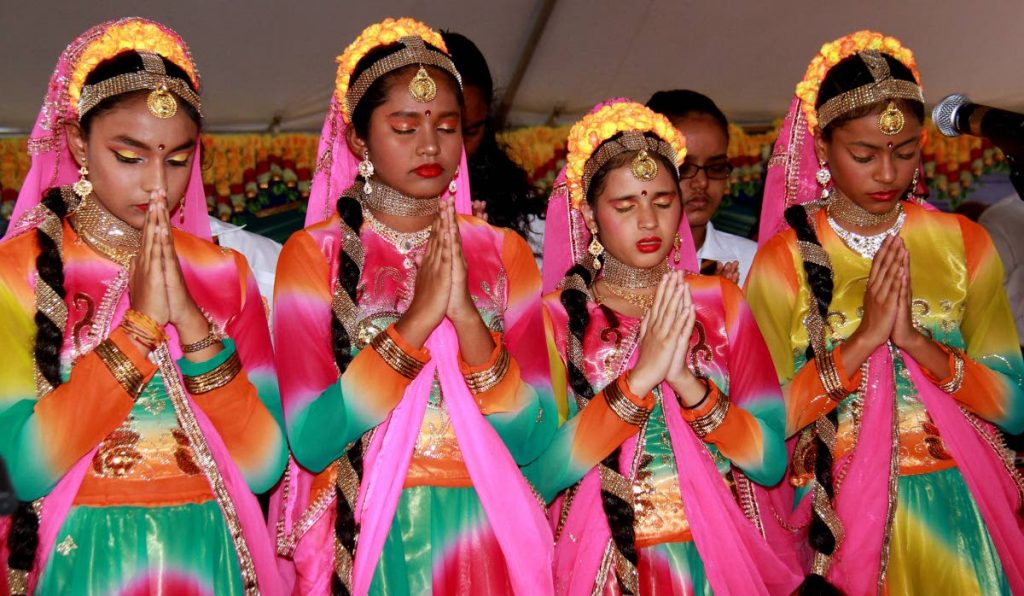
During early childhood, children develop a fundamental understanding of their surroundings through observation and imitation. They learn about Hindu values, rituals and customs by participating in daily family activities such as prayers, festivals and temple visits. Storytelling, music and dance play a crucial role in captivating their attention and fostering a sense of belonging. Through these immersive experiences, children begin to internalize the principles of dharma, compassion and harmony.
Middle Childhood (5-12 Years): Formal Education and Exploration
As children grow, their curiosity and learning abilities expand. This is when formal religious education often begins, with children attending classes or gatherings at temples or cultural centers. They learn about Hindu scriptures, mythology and philosophy, deepening their understanding of the faith’s core beliefs. Additionally, they participate in various extracurricular activities, such as bhajans (devotional singing), drama and yoga, which help them connect with the spiritual and cultural aspects of Hinduism.
Adolescence (12-18 Years): Questioning and Self-Discovery
Adolescents naturally question and explore their beliefs. This is a time of self-discovery, where they begin to form their own opinions and values. Hindu traditions encourage critical thinking and introspection, allowing young adults to grapple with complex philosophical questions. They may engage in discussions, debates and service projects, fostering a deeper understanding of their faith and its relevance to their lives.
Young Adulthood (18-30 Years): Practicing and Sharing
As young adults establish their independence, they begin to practice their faith more consciously. They may choose to attend regular temple services, participate in religious groups and observe Hindu dietary restrictions. This stage also marks the transition into adulthood, where individuals assume responsibilities within the community. They may serve as mentors to younger generations, passing on the traditions they have inherited.
Middle Age (30-60 Years): Deepening and Guidance
Middle age is a time of reflection and spiritual growth. Individuals may delve deeper into Hindu scriptures and philosophy, seeking a more profound understanding of their faith. They often take on leadership roles within the community, guiding and mentoring younger members. Their wisdom and experience serve as valuable resources for preserving and transmitting Hindu traditions.
Senior Years (60+ Years): Sharing Wisdom and Legacy
Senior citizens are revered in Hindu society as sources of wisdom and guidance. They play a vital role in passing on traditions to younger generations, sharing their stories, experiences and insights. They may participate in religious ceremonies, lead prayers and offer blessings, ensuring the continuity of Hindu practices within the family and community.
In conclusion, the transmission of Hindu traditions through generations is an ongoing process that involves a blend of immersion, education, exploration, practice and sharing. By engaging in these practices, Hindus of all ages contribute to the preservation and enrichment of their faith, ensuring that its values and teachings continue to inspire and guide future generations.