Beyond Holi: Unveiling the Significance of Lesser-Known Hindu Festivals
While Holi, the vibrant festival of colors, is widely celebrated around the world, the rich tapestry of Hindu festivals extends far beyond this iconic event. Here are some lesser-known Hindu festivals that hold profound significance and offer unique insights into the diverse cultural heritage of India.
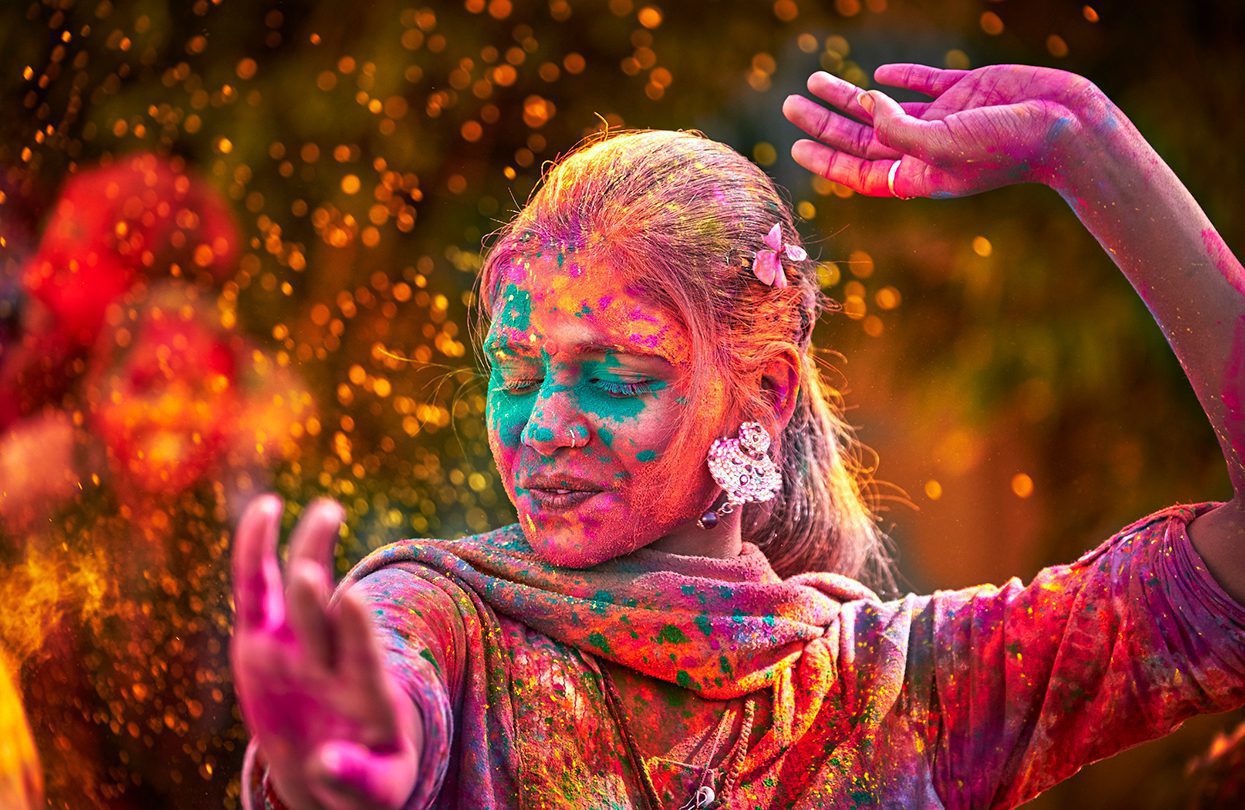
1. Makar Sankranti (January 14 or 15):
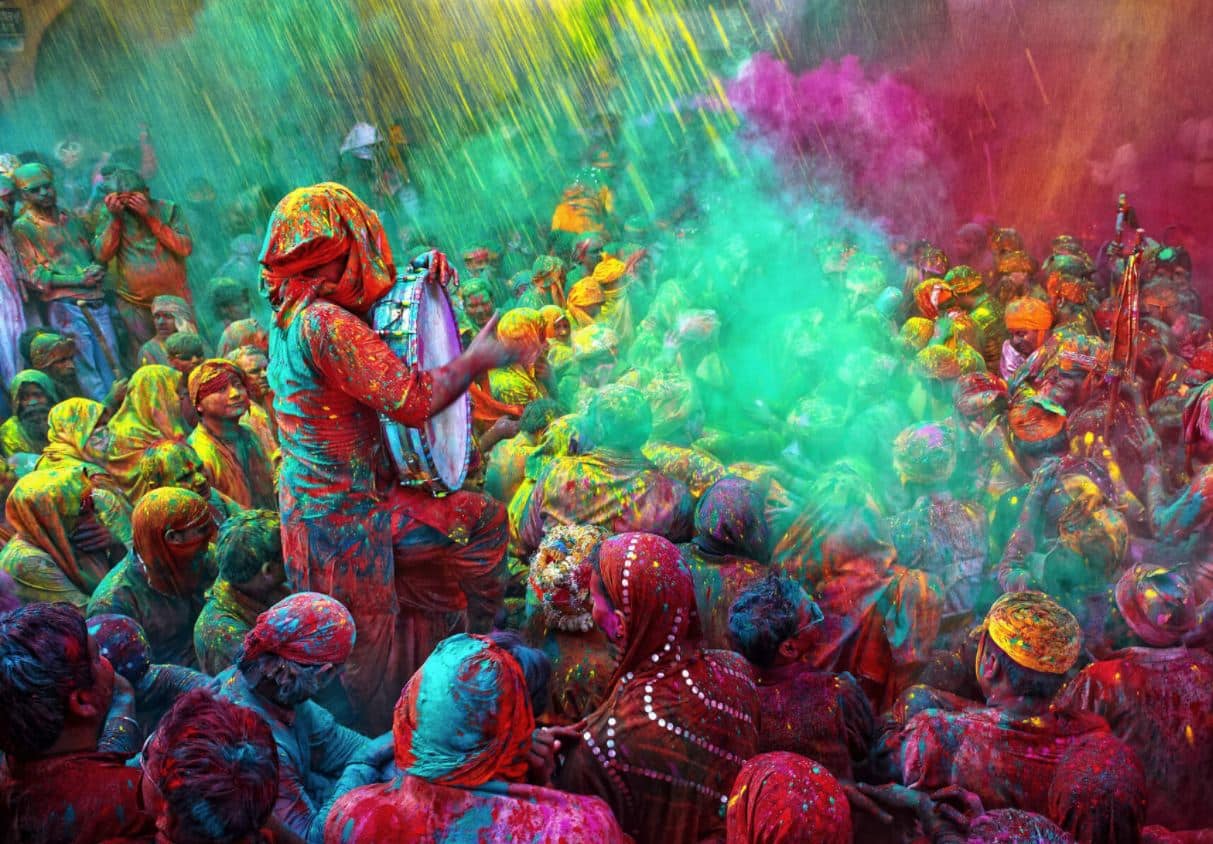
Makar Sankranti, also known as the festival of Pongal, marks the transition of the sun into the zodiac sign of Capricorn. It symbolizes the end of winter and the arrival of spring. Celebrated with bonfires, kite flying, and feasts, Makar Sankranti is a vibrant festival that celebrates the sun’s power and the renewal of life.
2. Basant Panchami (January or February):
Basant Panchami, also called Vasant Panchami, marks the arrival of spring. Dedicated to the Goddess Saraswati, the patron deity of knowledge, music, and arts, this festival is celebrated with yellow flowers, music, and poetry recitals. People offer yellow-colored sweetmeats and prayers to Goddess Saraswati, seeking her blessings for wisdom and creativity.
3. Maha Shivaratri (February or March):
Maha Shivaratri, meaning “the great night of Shiva,” is one of the most important Hindu festivals dedicated to Lord Shiva, the god of destruction and creation. It is believed that on this sacred night, Lord Shiva performed his cosmic dance, called the “Tandava.” Devotees observe a fast, stay awake throughout the night, and offer prayers and hymns to Lord Shiva.
4. Ugadi (March or April):
Ugadi, also known as the Kannada New Year, is a South Indian festival that marks the beginning of the new year. It is celebrated with the preparation of a unique dish called “Ugadi Pachadi,” a mixture of six different tastes, representing the different experiences of life. People also wear new clothes and exchange greetings, symbolizing new beginnings.
5. Akshaya Tritiya (April or May):
Akshaya Tritiya is considered one of the most auspicious days in the Hindu calendar. It is believed that any charitable act performed on this day brings immense blessings. Devotees participate in acts of charity, such as donating food, clothing, or money. It is also considered an excellent day for purchasing gold or other valuables, which are believed to bring prosperity and good fortune.
6. Rath Yatra (June or July):
Rath Yatra, also known as the “Chariot Festival,” is an annual festival that celebrates the journey of Lord Jagannath, Lord Balabhadra, and Goddess Subhadra from their main temple in Puri, Odisha, to the Gundicha Temple. The deities are placed on massive chariots and paraded through the streets, attracting millions of devotees from around the world.
7. Ganesh Chaturthi (August or September):
Ganesh Chaturthi, also known as Vinayaka Chaturthi, is the festival dedicated to Lord Ganesha, the elephant-headed god of wisdom and prosperity. It is celebrated with the installation of clay idols of Lord Ganesha in homes and temples. Devotees offer prayers, sing hymns, and partake in cultural performances. After a few days, the idols are immersed in water bodies, symbolizing the return of Lord Ganesha to his celestial abode.
These lesser-known Hindu festivals offer a glimpse into the rich diversity and profound spiritual significance of Hinduism. They provide opportunities for cultural exchange, community bonding, and personal transformation, enriching the lives of millions worldwide.## Beyond Holi: Unveiling the Significance of Lesser-Known Hindu Festivals
Executive Summary
India, a land of vibrant diversity, is home to a myriad of Hindu festivals that extend far beyond the widely celebrated Holi. Each festival carries profound cultural and religious significance, offering a glimpse into the rich tapestry of Hinduism. This article explores the lesser-known Hindu festivals, shedding light on their historical origins, traditions, and spiritual nuances.
Introduction
Hindu festivals are an integral part of Indian life, serving as a tapestry of culture, spirituality, and community. While Holi is undoubtedly a popular and well-known celebration, numerous other festivals hold equal importance, offering unique insights into the diverse beliefs and traditions of Hinduism. This article unveils the stories behind some of these lesser-known festivals, revealing their profound significance and the vibrant tapestry of Hindu spirituality.
FAQs
-
What are some lesser-known Hindu festivals that are as significant as Holi?
- Makar Sankranti
- Lohri
- Basant Panchami
- Pongal
- Ganesh Chaturthi
-
Why is it important to celebrate these lesser-known festivals?
- To preserve the cultural heritage of Hinduism.
- To foster a sense of community and shared identity.
- To gain a deeper understanding of the diverse traditions within Hinduism.
-
How can we ensure that these festivals continue to be celebrated for generations to come?
- By participating in traditional rituals and celebrations.
- By educating the younger generation about the significance of these festivals.
- By supporting initiatives aimed at preserving and promoting Hindu culture.
Makar Sankranti
A Festival of Harvest and Sun Worship
- Solar Significance: Makar Sankranti marks the transition of the sun into the zodiac sign of Makara (Capricorn), signaling the end of winter and the beginning of longer days.
- Seasonal Rituals: Bonfires are lit to symbolize the burning away of ignorance, and offerings of sugarcane, sesame seeds, and jaggery are made to the Sun God.
- Kite Flying: Colorful kites fill the sky, representing the triumph of light over darkness.
- Holy Bathing: Devotees take a sacred bath in the Ganga river, seeking purification and spiritual renewal.
- Til Gud and Ellu Bella: Traditional sweets made with sesame seeds and jaggery are exchanged, symbolizing the sweetness of relationships.
Lohri
A Winter Harvest Festival
- Season: Lohri is celebrated on January 13th, marking the end of the harvest season and the beginning of spring.
- Fire Rituals: Bonfires are kindled to pay homage to the fire God, Agni, and to ward off the winter chill.
- Pop Songs and Dances: Folk songs and dances are performed around the bonfire, creating a lively and energetic atmosphere.
- Peanut and Popcorn Offerings: Roasted peanuts and popcorn are thrown into the fire as offerings to Agni.
- Gifts and Sweets: Children receive gifts such as toys and sweets, symbolizing the blessing of prosperity.
Basant Panchami
A Festival of Spring and Saraswati
- Goddess Saraswati: Basant Panchami celebrates the Hindu goddess of knowledge, music, and art, Saraswati.
- Yellow Celebrations: The festival is associated with the color yellow, which represents the blooming mustard fields.
- Book Worship: Devotees offer books to Saraswati, seeking her blessings for success in education and the arts.
- Kite Flying: As in Makar Sankranti, kite flying is a prominent activity, symbolizing the rise of knowledge above ignorance.
- Kite Competitions: Contests are held to see whose kite can fly the highest and longest, fostering a sense of friendly competition.
Pongal
A Harvest Festival of South India
- Honoring the Sun and Rice: Pongal is a four-day festival celebrated in South India, honoring the Sun God and the rice harvest.
- Ritual Cooking: A sweet dish called Pongal is prepared using freshly harvested rice, milk, and jaggery.
- Religious Offerings: Pongal is offered to the Sun God, thanking him for a bountiful harvest and seeking his blessings for prosperity.
- Cow and Bull Worship: Cows and bulls are adorned and worshipped as symbols of prosperity and strength.
- Traditional Sports: Traditional sports such as bullock cart races and Jallikattu (taming of bulls) add excitement to the festival.
Ganesh Chaturthi
A Festival Honoring Ganesha
- Birth of Ganesha: Ganesh Chaturthi celebrates the birth of the elephant-headed Hindu god, Ganesha, who is revered as the remover of obstacles and the bringer of prosperity.
- Clay Idols: Devotees install clay idols of Ganesha in their homes and decorate them with flowers and offerings.
- Public Processions: Large idols are paraded through the streets, accompanied by music and chanting.
- Immersion Ritual: After several days of worship, the idols are immersed in water bodies, symbolizing the return of Ganesha to his abode.
- Modak Offerings: Modaks, a traditional sweet delicacy, are offered to Ganesha as a favorite treat.
Conclusion
The lesser-known Hindu festivals of India are hidden gems that reveal the rich diversity and spiritual depth of this ancient religion. Makar Sankranti, Lohri, Basant Panchami, Pongal, and Ganesh Chaturthi each hold a unique significance, offering colorful glimpses into the beliefs, traditions, and history of Hinduism. By preserving and celebrating these festivals, we honor the vibrant heritage of India and foster a deeper understanding of its diverse spiritual landscape.
Keywords
- Hindu Festivals
- Makar Sankranti
- Pongal
- Basant Panchami
- Ganesh Chaturthi