The Many Forms of the Hindu Goddess
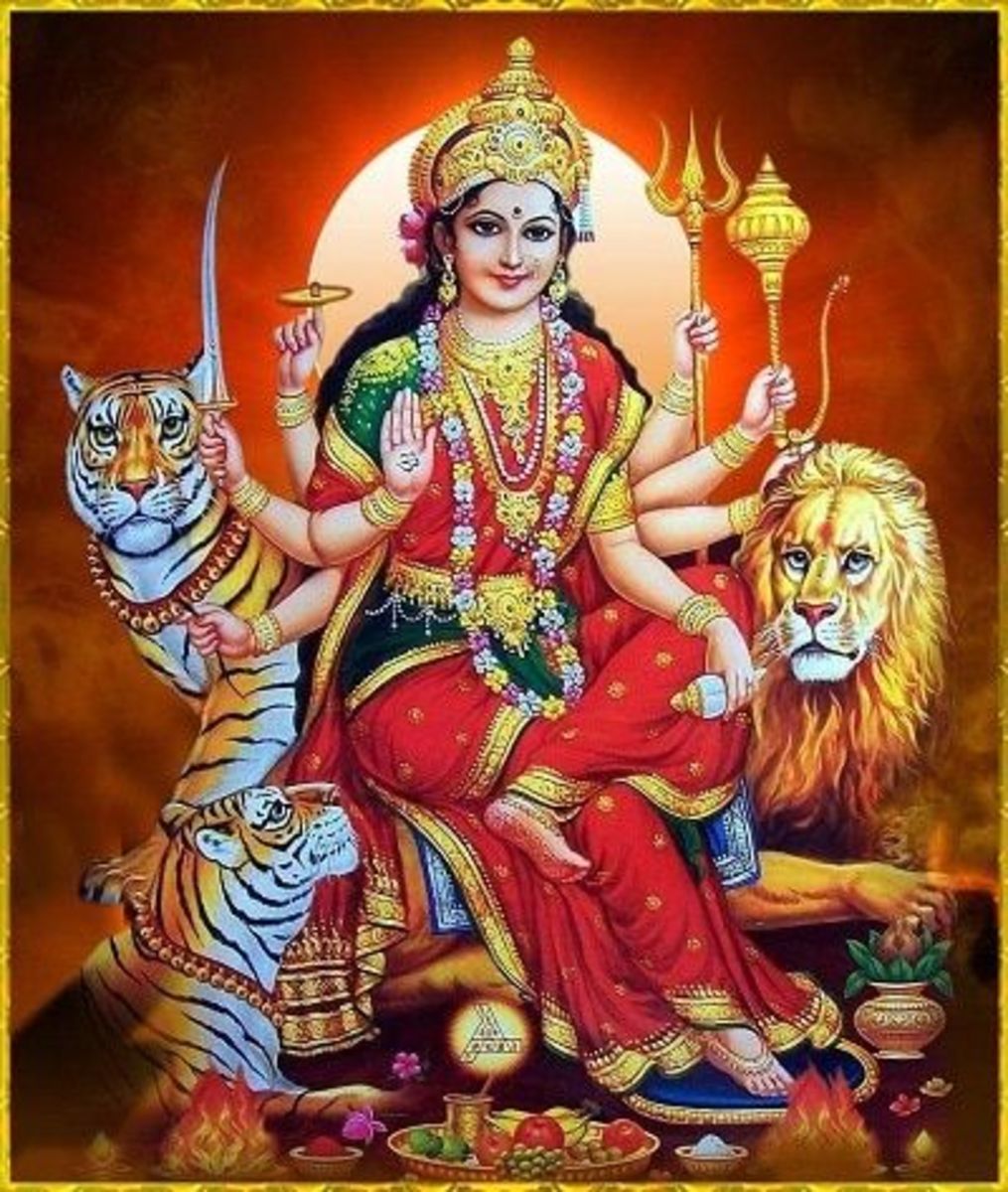
The Hindu goddess is known by many names, including Devi, Shakti, and Kali. Each name represents a different aspect of the goddess’s power and personality.
Devi
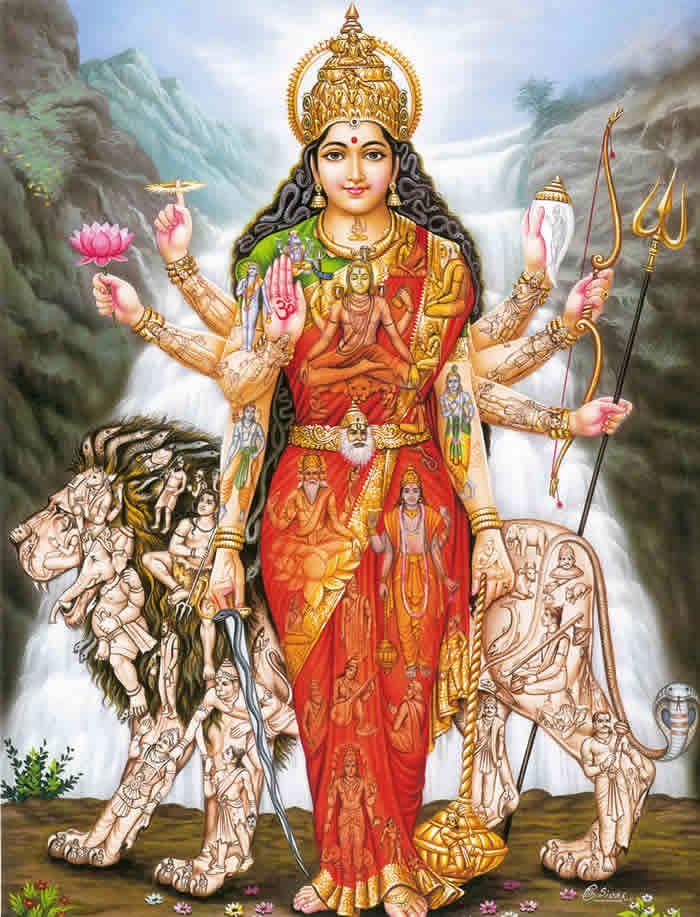
Devi is the most common name for the Hindu goddess. It means “goddess” or “divine feminine.” Devi is often depicted as a beautiful young woman with a kind and compassionate face. She is often shown wearing a red sari and holding a lotus flower.
Shakti
Shakti is the goddess of power and energy. She is often depicted as a fierce warrior woman with a powerful body and a fierce expression. Shakti is often shown holding a sword or a trident.
Kali
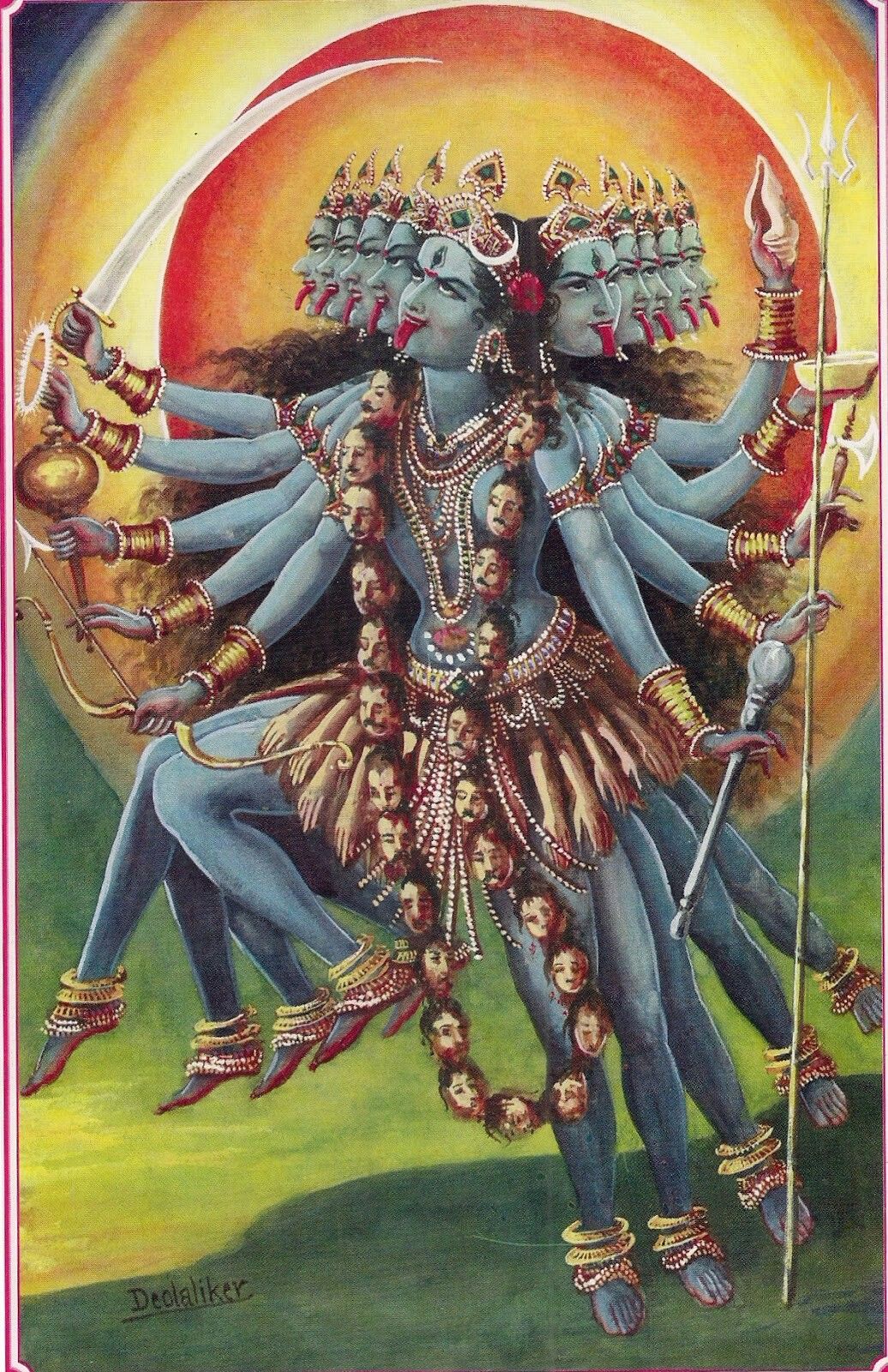
Kali is the goddess of destruction and transformation. She is often depicted as a black woman with a fierce face and a bloody tongue. Kali is often shown wearing a necklace of skulls and a skirt made of human arms.
The Many Forms of the Goddess
The Hindu goddess is a complex and multifaceted deity. She is both a loving mother and a fierce warrior. She is both a creator and a destroyer. The many forms of the goddess reflect the different aspects of her power and personality.
The Goddess in Hinduism
The goddess is a central figure in Hinduism. She is worshipped by millions of Hindus around the world. The goddess is seen as a symbol of the divine feminine and as a source of power and protection.
The Goddess in Other Religions
The goddess is not only worshipped in Hinduism. She is also found in other religions, such as Buddhism, Jainism, and Sikhism. In each of these religions, the goddess is seen as a symbol of the divine feminine and as a source of power and protection.## The Many Forms Of The Hindu Goddess: Devi, Shakti, And Kali
Executive Summary
The Hindu goddess is a complex and multifaceted figure, with many different forms and aspects. Three of the most important goddesses are Devi, Shakti, and Kali. Understanding the distinctions among these three goddesses is essential to understanding the power and significance of the feminine force in Hinduism.
Introduction
In Hinduism, the divine feminine is revered in many forms, each representing a distinct aspect of the goddess. Devi, Shakti, and Kali are three prominent manifestations of the goddess, embodying different qualities and powers. This article explores the unique characteristics, symbolism, and significance of these three goddesses, providing insights into the diverse nature of the Hindu goddess.
FAQs
Q: Are Devi, Shakti, and Kali different goddesses?
A: No, they are all manifestations of the same divine feminine force. However, each form represents a different aspect of the goddess, with unique powers and symbolism.
Q: Which form of the goddess is the most powerful?
A: All three forms of the goddess are considered equally powerful, each possessing distinct strengths and capabilities.
Q: What is the significance of the goddess in Hinduism?
A: The goddess is a central figure in Hinduism, representing the feminine aspect of the divine. She is revered as the source of all creation, the embodiment of wisdom and compassion, and the protector of the universe.
Devi
Description: Devi is the benevolent and nurturing aspect of the goddess. She is associated with beauty, wealth, and prosperity. Devi is often depicted as a young woman with a serene expression, adorned with flowers and jewels.
Important Aspects:
- Creator: Devi is believed to be the creative force behind the universe.
- Nurturer: She is seen as the mother goddess, providing sustenance and protection to all beings.
- Wealth and Prosperity: Devi is worshiped for material well-being, abundance, and success.
- Remover of Obstacles: She is invoked to remove obstacles and clear the path for progress.
- Divine Knowledge: Devi is considered a source of wisdom and spiritual enlightenment.
Shakti
Description: Shakti is the energetic and transformative aspect of the goddess. She is associated with power, strength, and action. Shakti is often depicted as a fierce warrior goddess, wielding weapons and riding a tiger.
Important Aspects:
- Dynamic Energy: Shakti represents the dynamic energy that pervades the universe.
- Transformation: She embodies the power of change and transformation, both in the material and spiritual realms.
- Manifestation: Shakti is responsible for manifesting the divine into the physical world.
- Destroyer of Evil: She is invoked to destroy evil and protect the faithful.
- Cosmic Dancer: Shakti is often depicted as the cosmic dancer, symbolizing the rhythmic cycles of creation and destruction.
Kali
Description: Kali is the fierce and destructive aspect of the goddess. She is associated with death, time, and change. Kali is often depicted as a dark-skinned goddess with a protruding tongue and a garland of skulls.
Important Aspects:
- Destroyer: Kali is known as the destroyer of all that is impure and negative.
- Time: She represents the passage of time and the inevitability of death.
- Transformation: Kali symbolizes the transformative power of death, leading to rebirth and renewal.
- Beyond Dualities: Kali transcends the dualities of good and evil, representing the ultimate reality.
- Liberator: She is invoked to liberate devotees from the bonds of ignorance and suffering.
Conclusion
Devi, Shakti, and Kali represent the diverse and dynamic nature of the Hindu goddess. From the benevolent Devi to the fierce Kali, each form embodies a distinct aspect of the divine feminine. Understanding the unique qualities and powers of these goddesses provides a deeper appreciation for the multifaceted nature of the divine and the profound significance of the feminine force in Hinduism.
Keyword Tags:
- Hindu Goddess
- Devi
- Shakti
- Kali
- Feminine Divine