
Hinduism and Buddhism: Exploring Similarities and Differences
Hinduism and Buddhism are two of the world’s oldest and most influential religions. Both originated in the Indian subcontinent and share many similarities, but there are also some key differences between them.
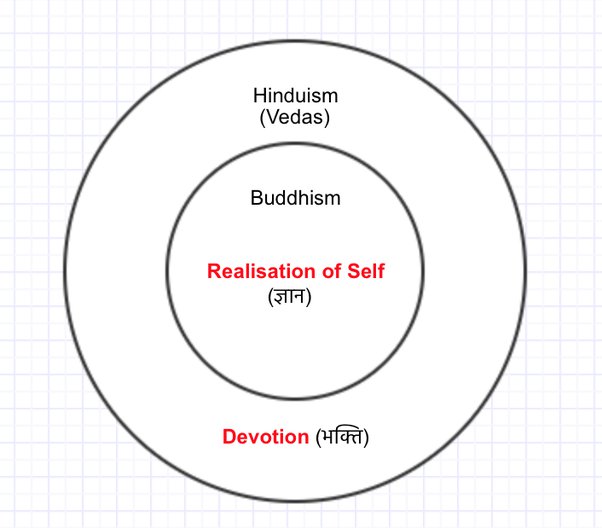
Similarities
- Belief in reincarnation: Both Hinduism and Buddhism believe that the soul is reborn after death into a new body.
- Karma: Both religions believe that the actions of a person in this life will determine their fate in the next.
- Meditation: Both Hinduism and Buddhism practice meditation as a way to achieve enlightenment.
- Non-violence: Both religions emphasize the importance of non-violence and compassion towards all living beings.
Differences
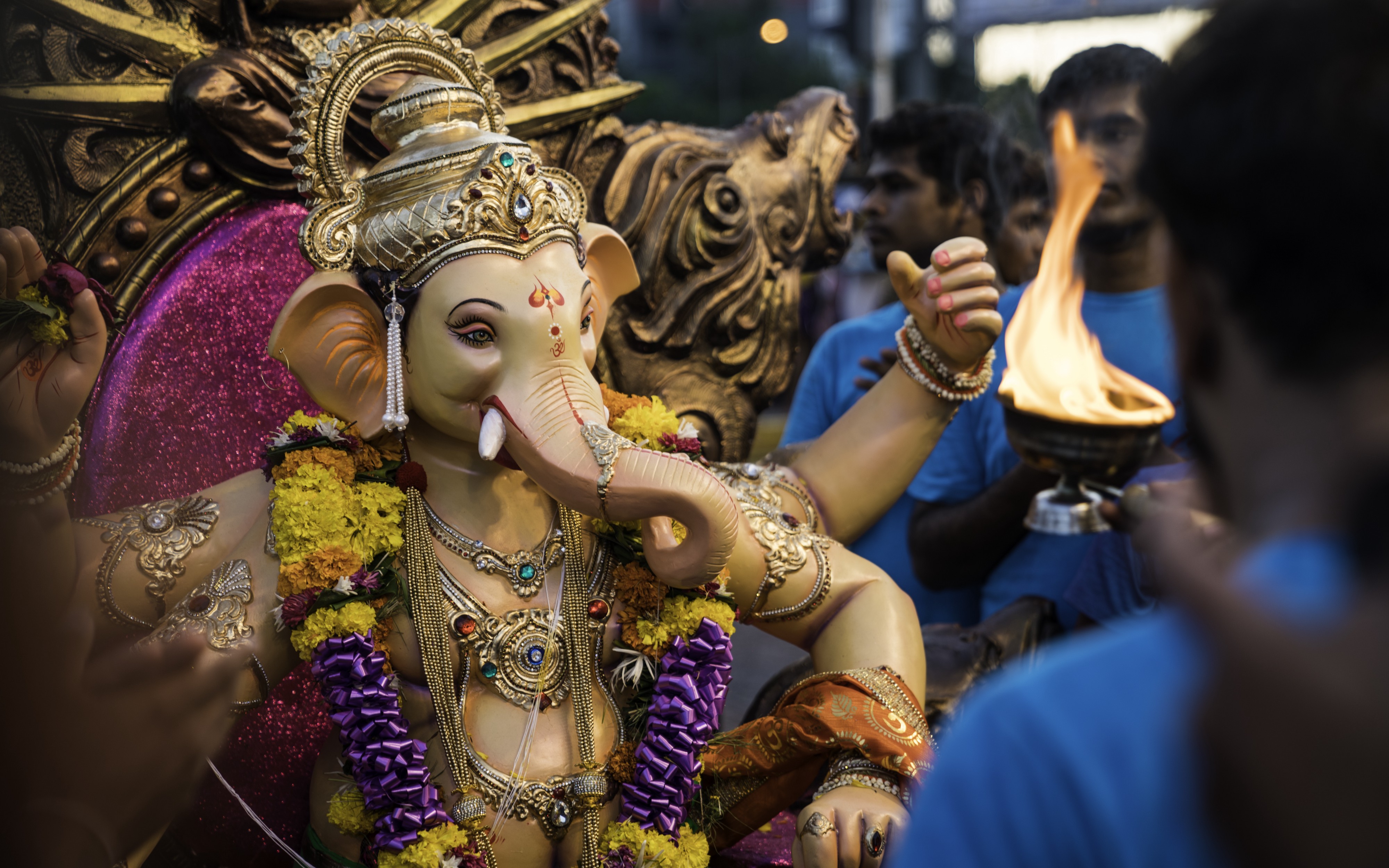
- God: Hinduism is a polytheistic religion, while Buddhism is an atheistic religion. Hindus believe in a pantheon of gods and goddesses, while Buddhists do not believe in any god or gods.
- The nature of reality: Hindus believe that the universe is an illusion, while Buddhists believe that the universe is real.
- The goal of life: The goal of life in Hinduism is to achieve moksha, or liberation from the cycle of reincarnation. The goal of life in Buddhism is to achieve nirvana, or enlightenment.
Historical Development
Hinduism is one of the oldest religions in the world, with its roots in the Indus Valley Civilization of the 3rd millennium BCE. Buddhism, on the other hand, was founded by Siddhartha Gautama, a prince from Lumbini, Nepal, in the 6th century BCE.
Hinduism has evolved over the centuries, with the development of different sects and traditions. Some of the major sects of Hinduism include Shaivism, Vaishnavism, and Shaktism. Buddhism has also evolved over the centuries, with the development of different schools and traditions. Some of the major schools of Buddhism include Theravada, Mahayana, and Vajrayana.
Influence on World Culture
Hinduism and Buddhism have had a profound influence on world culture. Both religions have spread to other parts of Asia, and they have also influenced Western thought and culture.
Hinduism has influenced the development of Yoga, Ayurveda, and other aspects of Indian culture. Buddhism has influenced the development of Zen, martial arts, and other aspects of East Asian culture.
Conclusion
Hinduism and Buddhism are two of the world’s most influential religions. Both religions share many similarities, but there are also some key differences between them. The study of Hinduism and Buddhism can help us to understand the diversity of religious beliefs and practices in the world.## Hinduism And Buddhism: Exploring Similarities And Differences
Executive Summary
Hinduism and Buddhism are two of the world’s oldest and most widely practiced religions. Both religions share a number of similarities, such as their belief in reincarnation and karma. However, there are also some important differences between the two religions, such as their views on the nature of the divine and the path to salvation.
Introduction
Hinduism and Buddhism are two of the world’s oldest and most widely practiced religions. Both religions originated in India, and they share a number of similarities. However, there are also some important differences between the two religions.
FAQs
1. What are the main similarities between Hinduism and Buddhism?
- Belief in reincarnation and karma
- Use of meditation and yoga
- Emphasis on non-violence and compassion
2. What are the main differences between Hinduism and Buddhism?
- Hinduism is a polytheistic religion, while Buddhism is a monotheistic religion.
- Hindus believe in the caste system, while Buddhists do not.
- Hinduism emphasizes the importance of ritual and sacrifice, while Buddhism emphasizes the importance of meditation and self-discipline.
3. Which religion is older, Hinduism or Buddhism?
Hinduism is older than Buddhism. Hinduism originated in the Indus Valley Civilization around 3300 BCE, while Buddhism was founded by Siddhartha Gautama in the 6th century BCE.
Similarities Between Hinduism and Buddhism
Belief in Reincarnation and Karma
Hindus and Buddhists both believe in reincarnation, the idea that the soul is reborn into a new body after death. They also believe in karma, the idea that the actions of an individual in one life will determine their fate in the next.
Use of Meditation and Yoga
Meditation is an important practice in both Hinduism and Buddhism. Meditation is used to calm the mind and focus on the present moment. Yoga is a physical and mental practice that is used to improve health and well-being.
Emphasis on Non-Violence and Compassion
Hindus and Buddhists both believe in the importance of non-violence and compassion. They believe that all living beings are interconnected, and that we should treat each other with kindness and respect.
Differences Between Hinduism and Buddhism
Polytheism vs. Monotheism
Hinduism is a polytheistic religion, which means that Hindus believe in many gods and goddesses. Buddhists, on the other hand, are monotheistic, which means that they believe in only one god.
Caste System
The caste system is a social hierarchy that is found in Hinduism. The caste system divides people into different social classes, and it determines their rights and privileges. Buddhism does not have a caste system, and all people are considered to be equal.
Ritual and Sacrifice
Ritual and sacrifice are important aspects of Hinduism. Hindus believe that they can gain favor with the gods and goddesses by performing rituals and sacrifices. Buddhists, on the other hand, emphasize the importance of meditation and self-discipline. They believe that enlightenment can be achieved through the practice of meditation and mindfulness.
Conclusion
Hinduism and Buddhism are two of the world’s oldest and most widely practiced religions. Both religions share a number of similarities, such as their belief in reincarnation and karma. However, there are also some important differences between the two religions, such as their views on the nature of the divine and the path to salvation.
Keyword Tags
- Hinduism
- Buddhism
- Reincarnation
- Karma
- Meditation
- Yoga
- Non-violence
- Compassion
- Polytheism
- Monotheism
- Caste system