Beyond the Wife and Mother: Exploring Education and Spiritual Roles for Women in Hinduism
Introduction
Hinduism, with its rich and diverse traditions, offers a multifaceted perspective on the roles and responsibilities of women. While the traditional societal structure often assigns primary roles as wives and mothers, there is a growing recognition of the need to empower women beyond these confines. This essay will delve into the educational and spiritual opportunities available to women in Hinduism, exploring how they can transcend societal expectations and pursue personal growth and fulfillment.
Education: A Path to Empowerment
Hinduism emphasizes the importance of education for both men and women. The ancient texts, such as the Vedas and Upanishads, contain numerous passages extolling the virtues of knowledge and wisdom. Education empowers women to break free from traditional gender roles and pursue their passions and interests. It provides them with the skills and confidence necessary to contribute to society and make informed decisions about their lives.
In recent decades, there has been a significant increase in the number of women attending educational institutions in India. They are now pursuing higher education in fields such as science, technology, medicine, and law. This growing access to education is transforming societal attitudes towards women and their abilities.
Spiritual Roles: Embracing Divinity
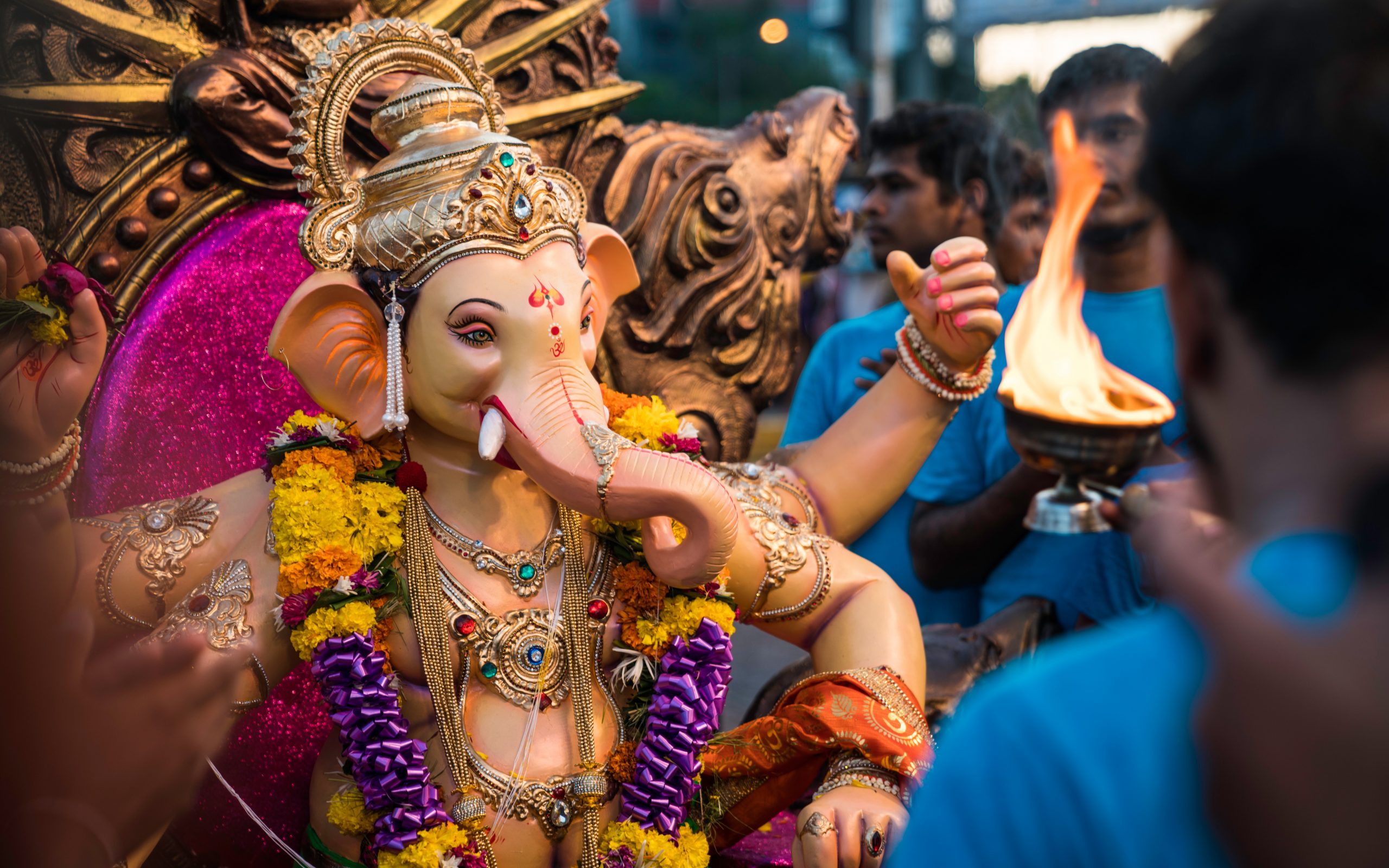
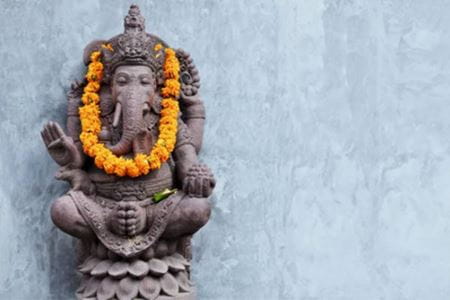
Hinduism offers a rich and varied spiritual landscape that provides ample opportunities for women to explore their spiritual potential. The concept of Shakti, the feminine divine, plays a central role in many Hindu traditions. Shakti represents the creative and transformative power of the universe. She is worshipped in various forms, such as Durga, Kali, and Lakshmi.
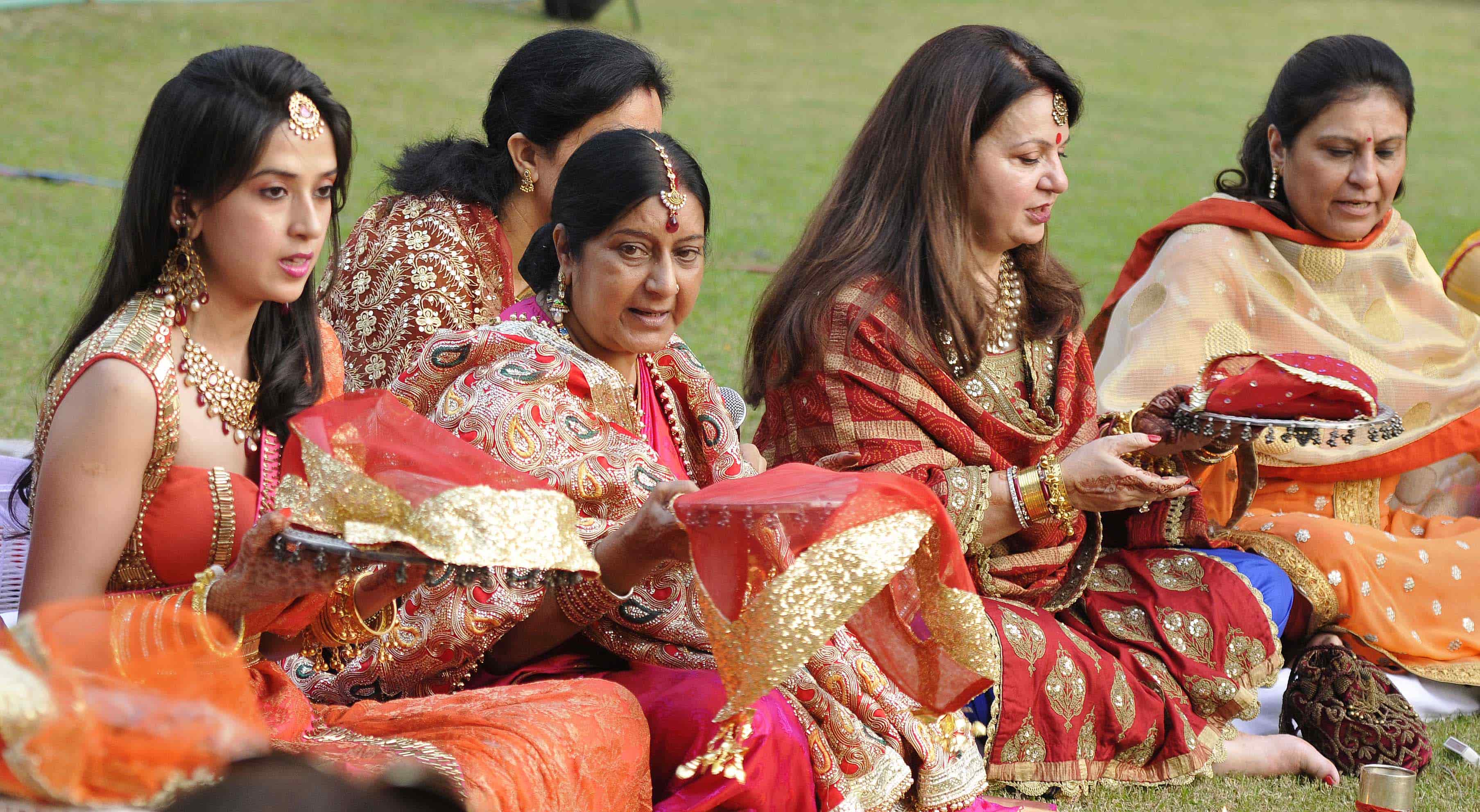
Women in Hinduism can participate in religious rituals and ceremonies. They can become priestesses, tantric practitioners, and yoga teachers. These roles allow them to connect with the divine and develop their spiritual consciousness. By embracing their spiritual nature, women can break free from the limitations imposed by societal norms and realize their full potential.
Exploring Alternative Paths
While the roles of wife and mother are deeply valued in Hindu society, there are also alternative paths for women to choose. Some women may choose to remain unmarried and focus on their education, careers, or spiritual practices. Others may choose to adopt children or become foster parents. These choices are often met with resistance from traditional society, but they are becoming increasingly accepted as women seek to live lives that are true to themselves.
Conclusion
Hinduism offers a spectrum of opportunities for women to go beyond traditional roles as wives and mothers. Education empowers women to break free from societal expectations and pursue their passions. Spiritual roles allow them to connect with the divine and develop their spiritual consciousness. By embracing alternative paths, women can choose lives that are fulfilling and true to their unique identities. As society continues to evolve, it is essential to recognize and support the diverse roles and contributions of women in Hinduism and beyond.