
The Importance of Self-Discipline in Spiritual Growth
Spiritual growth is a journey that requires effort and dedication. It is not something that happens overnight, but rather a gradual process that unfolds over time. One of the most important aspects of spiritual growth is self-discipline.

Self-discipline is the ability to control one’s thoughts, feelings, and actions. It is the ability to say no to temptation and to stay focused on one’s goals. Self-discipline is essential for spiritual growth because it allows us to overcome the obstacles that stand in our way.

One of the biggest obstacles to spiritual growth is our own ego. The ego is the part of us that is constantly seeking attention and gratification. It is the part of us that wants to be in control and to have things our own way. The ego can be a powerful force in our lives, but it can also be a major hindrance to spiritual growth.
Self-discipline is essential for overcoming the ego. It allows us to see our ego for what it is and to stop letting it control our lives. Self-discipline allows us to let go of our attachments to the things of this world and to focus on what is truly important.
Another obstacle to spiritual growth is our own laziness. Laziness is the tendency to avoid effort and to take the easy way out. Laziness can be a major obstacle to spiritual growth because it prevents us from putting in the work that is necessary to grow.
Self-discipline is essential for overcoming laziness. It allows us to push ourselves to do things that we don’t want to do and to stay focused on our goals, even when the going gets tough. Self-discipline allows us to develop the strength and perseverance that we need to overcome the challenges that we face in life.
If you are serious about spiritual growth, then self-discipline is essential. Self-discipline will allow you to overcome the obstacles that stand in your way and to reach your full potential.
Here are some tips for developing self-discipline:
- Start small. Don’t try to change everything all at once. Pick one area of your life to focus on and start there.
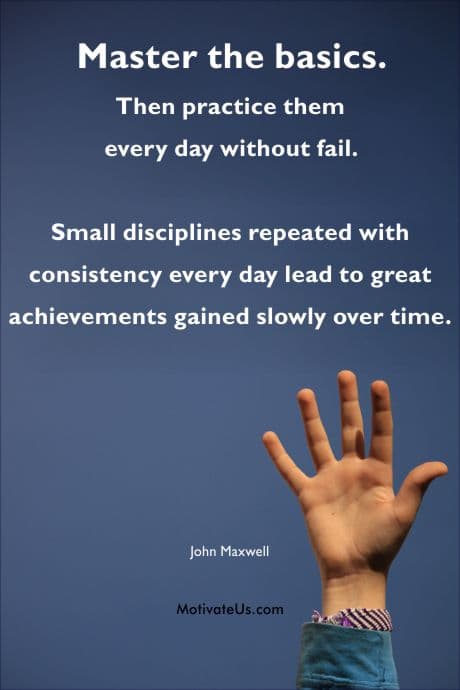
- Be consistent. Self-discipline is not about doing something once or twice, but about making a consistent effort over time.
- Be patient. Developing self-discipline takes time and effort. Don’t get discouraged if you don’t see results immediately. Just keep at it and you will eventually see progress.
Self-discipline is a powerful tool that can help you to achieve your goals and to live a more fulfilling life. If you are serious about spiritual growth, then self-discipline is essential.## The Importance of Self-Discipline in Spiritual Growth
Executive Summary
Self-discipline is a fundamental pillar for spiritual growth. By practicing self-control, individuals can overcome distractions, cultivate virtues, and foster a deeper connection with their inner selves and the divine. This article explores the multifaceted nature of self-discipline in spiritual development, highlighting key subtopics and their importance in the transformative journey.
Introduction
Spiritual growth is a transformative process that requires intention, effort, and a willingness to transcend one’s limitations. Self-discipline serves as a bedrock upon which spiritual seekers can cultivate the necessary virtues, focus their energies, and achieve a higher level of consciousness. By exercising self-control, individuals gain mastery over their thoughts, desires, and actions, creating a fertile ground for spiritual development.
FAQs
-
What is self-discipline in the context of spirituality?
Self-discipline in spirituality involves the practice of controlling one’s thoughts, desires, and actions in alignment with spiritual principles. -
Why is self-discipline important for spiritual growth?
Self-discipline allows individuals to overcome distractions, cultivate virtuous habits, and focus their energies on spiritual pursuits. -
How can I practice self-discipline in my daily life?
To practice self-discipline, individuals can engage in regular meditation, cultivate gratitude, and set clear intentions for their actions.
Subtopics
1. Controlling the Mind
- Developing mental focus: Cultivating the ability to concentrate and stay present in the moment.
- Overcoming negative thoughts: Identifying and challenging unhelpful thoughts and patterns.
- Cultivating positive affirmations: Replacing negative thoughts with positive and empowering statements.
- Practicing mindfulness: Paying attention to the present moment without judgment.
- Setting clear intentions: Establishing a purpose and direction for one’s thoughts and actions.
2. Restraining Desires
- Understanding true needs vs. wants: Distinguishing between essential and nonessential desires.
- Developing willpower: Exercising self-control and resisting temptations.
- Practicing delayed gratification: Learning to defer instant gratification for long-term benefits.
- Avoiding attachments: Releasing the grip on external objects and experiences.
- Cultivating contentment: Appreciating what one has and finding fulfillment in simplicity.
3. Regulating Actions
- Practicing ethical behavior: Adhering to moral principles and values.
- Cultivating integrity: Aligning one’s actions with their beliefs and values.
- Developing consistency: Maintaining self-discipline over time, regardless of external influences.
- Overcoming procrastination: Taking action despite the fear or resistance that may arise.
- Setting realistic goals: Establishing achievable targets that challenge one’s boundaries.
4. Embracing Discipline
- Understanding the benefits of discipline: Recognizing the positive outcomes of self-control.
- Creating a supportive environment: Surrounding oneself with positive influences and resources.
- Setting boundaries: Establishing limits and expectations for oneself and others.
- Developing accountability: Holding oneself responsible for one’s actions and commitments.
- Seeking guidance from mentors or teachers: Learning from those who have successfully navigated the path of self-discipline.
5. Cultivating Spiritual Sensitivity
- Developing intuition: Becoming more attuned to one’s inner guidance.
- Practicing discernment: Distinguishing between truth and illusion, right and wrong.
- Establishing a connection with the divine: Experiencing a deep sense of purpose and connection to something greater than oneself.
- Embracing challenges: Viewing obstacles as opportunities for growth and learning.
- Practicing gratitude: Cultivating an attitude of appreciation for the blessings in life.
Conclusion
Self-discipline is an indispensable tool for spiritual seekers who aspire to deepen their connection with the divine. By controlling the mind, restraining desires, regulating actions, embracing discipline, and cultivating spiritual sensitivity, individuals can create a fertile foundation for transformative spiritual growth. The practice of self-discipline leads to a more fulfilling and authentic life, marked by a heightened sense of purpose, inner peace, and unwavering connection to the source of all creation.
Relevant Keyword Tags
- Self-Discipline
- Spiritual Growth
- Controlling the Mind
- Restraining Desires
- Cultivating Spiritual Sensitivity