
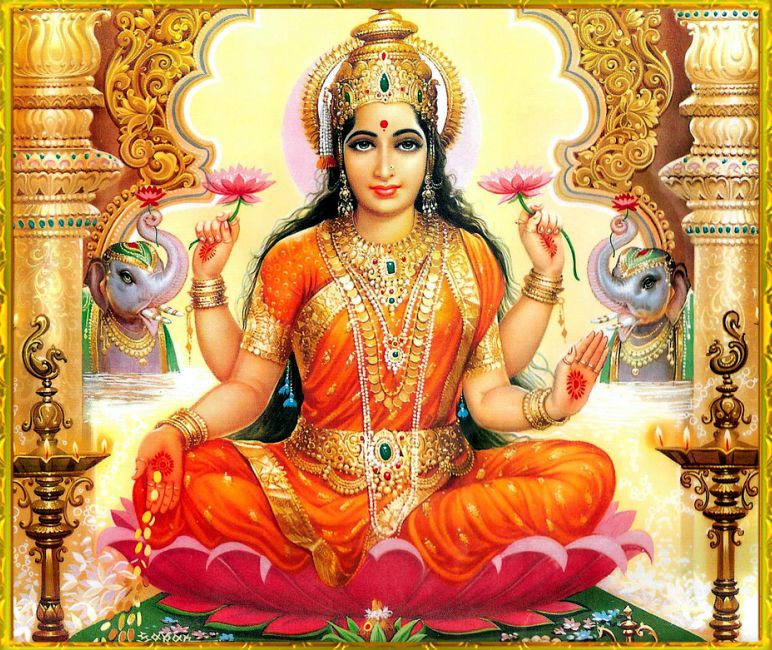
Hindu Goddesses: Unveiling The Power And Significance Of The Divine Feminine
Executive Summary
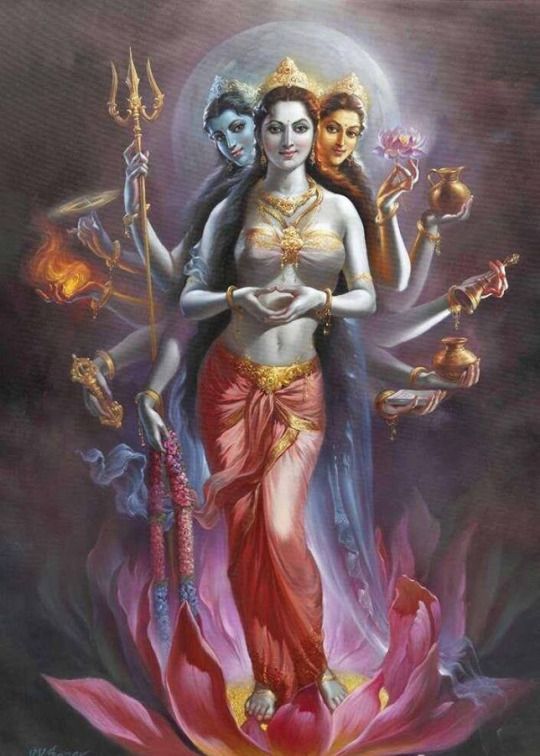
Hindu goddesses embody the divine feminine and play a pivotal role in shaping the spiritual and cultural fabric of Hinduism. Through their stories, rituals, and artistic representations, they empower devotees, inspire devotion, and offer a deep understanding of the feminine aspect of the divine. This article delves into the multifaceted nature of Hindu goddesses, exploring their symbolism, significance, and the profound impact they have on the lives of devotees.
Introduction
Hinduism recognizes the immense power and significance of the divine feminine, manifested through a diverse array of goddesses. These goddesses represent different aspects of creation, preservation, and destruction, embodying both gentle and fierce qualities. They are revered as protectors, nurturers, and guides, offering solace, strength, and wisdom to their devotees.
FAQs
- Who are the most important Hindu goddesses? Several goddesses hold prominent positions in the Hindu pantheon, including Saraswati, Lakshmi, Parvati, Durga, and Kali.
- What is the role of goddesses in Hindu society? Goddesses are central to Hindu religious practices, ceremonies, and festivals. They are invoked for blessings, proteção, guidance, and spiritual growth.
- How do goddesses differ from gods in Hinduism? While both gods and goddesses share divine qualities, goddesses are often associated with specific aspects of nature, creativity, and the feminine principle.
Subtopics
Saraswati: Goddess of Knowledge and Arts
- Patron of all forms of knowledge, music, and the arts.
- Represented as a beautiful woman seated on a white lotus, holding a book and a musical instrument.
- Attributes: Wisdom, creativity, eloquence, music, and learning.
Lakshmi: Goddess of Wealth and Prosperity
- Embodies material wealth, good fortune, and abundance.
- Depicted as a golden-skinned woman seated on a lotus, holding a pot of gold coins and a lotus flower.
- Attributes: Wealth, prosperity, fortune, beauty, and abundance.
Parvati: Goddess of Love and Marriage
- The consort of Shiva, representing love, devotion, and marital bliss.
- Often depicted as a beautiful woman with a third eye on her forehead.
- Attributes: Love, marriage, fertility, devotion, and strength.
Durga: Goddess of Protection and War
- The warrior goddess who protects devotees from evil and danger.
- Represented as a fierce and powerful woman riding a lion or tiger.
- Attributes: Courage, strength, protection, victory, and the overcoming of obstacles.
Kali: Goddess of Time and Destruction
- Embodies the destructive force of the universe, liberating devotees from ignorance and negativity.
- Often depicted with a black or dark complexion, wearing a garland of skulls.
- Attributes: Time, destruction, transformation, liberation, and the removal of obstacles.
Conclusion
Hindu goddesses are multifaceted and profound representations of the divine feminine. They embody the power, wisdom, and compassion of the universe, offering guidance, protection, and spiritual growth to devotees. By understanding their symbolism, significance, and stories, we gain a deeper appreciation for the richness and diversity of the Hindu tradition and the enduring role of the divine feminine in shaping human spirituality.
Keyword Tags
- Hindu Goddesses
- Divine Feminine
- Saraswati
- Lakshmi
- Parvati
- Durga
- Kali