
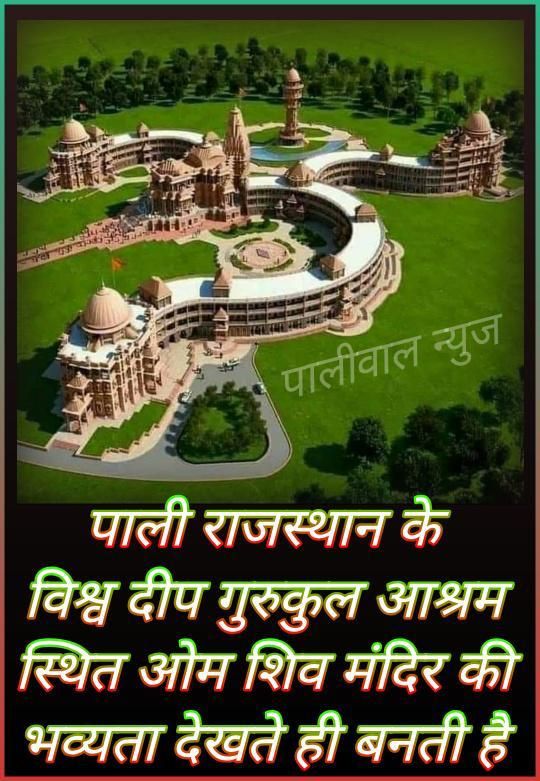
Hindu Temples: Architectural Marvels Steeped in Spiritual Significance
Hindu temples are architectural wonders that not only serve as places of worship but also embody profound spiritual significance. These sacred structures are imbued with ancient wisdom and intricate symbolism, reflecting the deep-rooted beliefs and practices of Hinduism.

Architectural Brilliance
Hindu temples are renowned for their stunning architectural designs. They are typically built using a traditional style known as Vastu Shastra, an ancient architectural system that governs the placement and orientation of buildings. The temples are often characterized by:
- Mandapas: These are large, pillared halls that serve as gathering spaces for devotees.
- Shikharas: The towering, pointed spires that crown the sanctum, symbolizing the cosmic mountain, Mount Meru.
- Gopurams: The monumental gateway towers that mark the entrances to the temple precincts.
- Vimanam: The pyramidal structure that houses the main deity’s sanctum.
Sacred Symbolism
Every aspect of a Hindu temple has symbolic meaning. The placement of idols, the orientation of the building, and even the intricate carvings all convey profound messages:
- Deity placement: The main deity is typically enshrined in the sanctum, the holiest part of the temple, symbolizing the divine presence.
- Orientation: Temples are often aligned with the cardinal directions, representing the connection between the earthly and the celestial realms.
- Carvings: The intricate carvings depict mythical stories, spiritual concepts, and deities, reminding devotees of the interconnectedness of all things.
Spiritual Significance
Beyond their architectural beauty, Hindu temples are also centers of spiritual practice and devotion:
- Prayer and worship: Devotees visit temples to offer prayers, meditate, and seek blessings from the deities.
- Ceremonies and rituals: Temples host a variety of religious ceremonies, such as weddings, festivals, and pujas (worship rituals).
- Spiritual purification: By entering a temple, devotees undergo a process of spiritual purification and renewal.
Preserving Cultural Heritage
Hindu temples are not only places of worship but also vital repositories of cultural heritage. They preserve ancient art forms, such as sculpture, painting, and music. They also serve as centers for religious education and community gatherings.
In conclusion, Hindu temples are architectural marvels that embody profound spiritual significance. Their intricate designs, sacred symbolism, and spiritual resonance make them pillars of Hindu culture and symbols of man’s enduring quest for the divine.## Hindu Temples: Architectural Marvels Steeped In Spiritual Significance
Executive Summary
Hindu temples, with their intricate architecture, rich symbolism, and profound spiritual significance, are a testament to the enduring legacy and cultural heritage of the Indian subcontinent. This article delves into the fascinating world of Hindu temples, exploring their architectural brilliance, spiritual essence, and impact on Indian society.
Introduction
Hindu temples are sacred spaces where devotees congregate to connect with the divine, celebrate festivals, and seek spiritual enlightenment. These architectural masterpieces, adorned with exquisite carvings, vibrant colors, and towering spires, are not merely structures of stone and mortar but living expressions of faith and devotion.
FAQs
-
What is the significance of the temple dome?
- The temple dome, known as the ‘shikhara’, symbolizes the cosmic mountain, Mount Meru.
- It represents the axis mundi, connecting the heavens and the earth.
- Its shape resembles a lotus bud, a symbol of purity and spiritual awakening.
-
What is the purpose of the temple bell?
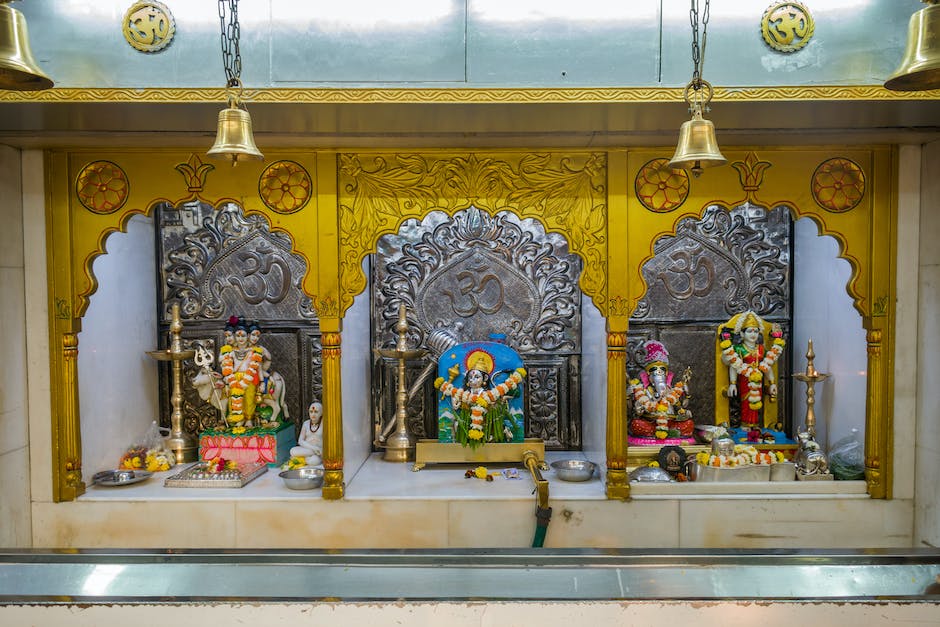
- The temple bell, called ‘ghanta’, purifies the atmosphere and drives away negative energies.
- Its sound is believed to invoke the deities and create a sacred ambiance.
- The rhythmic ringing also helps devotees focus their minds during worship.
-
Why do Hindu temples have sculptures of gods and goddesses?
- The sculptures depict specific deities, each with their own symbolic attributes.
- Devotees worship these images as manifestations of the divine.
- The sculptures also serve as visual representations of mythological stories and spiritual concepts.
Architectural Brilliance
Structural Elements
- Mandala: The temple’s concentric floor plan, representing the cosmos.
- Garbhagriha: The innermost sanctum where the main deity’s idol is enshrined.
- Vimana: The tower-like structure above the garbhagriha, symbolizing the mountain of the gods.
- Gopuram: The monumental gateway leading to the temple, adorned with intricate carvings.
Decorative Arts
- Sculptures: Exquisitely carved figures of deities, mythological creatures, and celestial beings.
- Paintings: Vibrant murals depicting religious stories, festivals, and scenes from everyday life.
- Architectural moldings: Decorative bands and cornices that enhance the temple’s visual appeal.
- Metalwork: Ornate bells, lamps, and figurines used for ritual purposes.
Spiritual Significance
Religious Symbolism
- Sacred Space: Temples are sanctified and demarcated as separate from the mundane world.
- Manifestation of the Divine: The temple is considered the abode of the deity, where devotees can connect with the sacred.
- Cosmic Representation: The temple’s architecture and symbolism mirror the structure and principles of the universe.
Ritual Practices
- Puja: Daily rituals performed to worship the deity, including offerings of food, flowers, and prayers.
- Darshan: Receiving the blessings of the deity by gazing at its image.
- Festivals: Grand celebrations held throughout the year to honor specific deities and commemorate religious events.
Social and Cultural Impact
- Community Centers: Temples foster a sense of belonging and social cohesion within the Hindu community.
- Educational Centers: Temples have traditionally served as centers of learning, where religious texts and scriptures were studied.
- Economic Drivers: Temples contribute to local economies through tourism, pilgrimage, and the sale of religious souvenirs.
Conclusion
Hindu temples are more than just architectural wonders; they are vibrant expressions of faith, spirituality, and cultural heritage. Their intricate designs, rich symbolism, and profound spiritual significance have captivated generations of devotees. As living monuments to the enduring traditions of the Indian subcontinent, Hindu temples continue to inspire awe, reverence, and a deep connection to the divine.
Keyword Tags
- Hindu Temples
- Architectural Marvels
- Spiritual Significance
- Sacred Spaces
- Indian Heritage