Hindu Gods & Goddesses: Unveiling The Pantheon Of A Vibrant Religion
Hinduism, the world’s oldest and third-largest religion, is a vibrant tapestry of beliefs and practices that has captivated millions for centuries. At its core lies a vast pantheon of gods and goddesses, each with their unique attributes, powers, and stories. These divine beings play a central role in Hindu mythology, rituals, and daily life, guiding devotees and shaping the fabric of the faith.
The Trimurti: Brahma, Vishnu, and Shiva
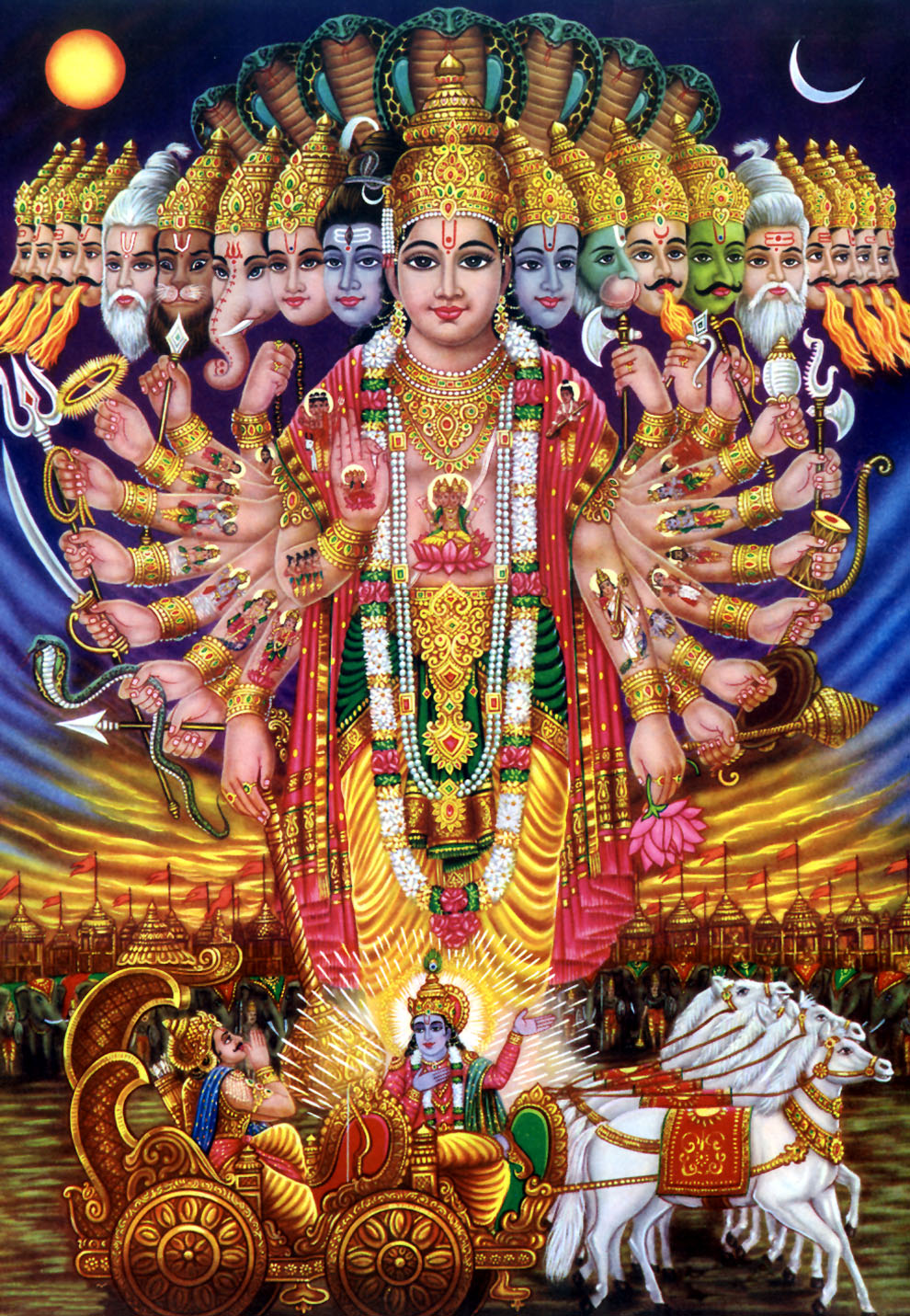
The Trimurti, or trinity, of Brahma, Vishnu, and Shiva is central to the Hindu pantheon. These three gods represent the cosmic functions of creation, preservation, and destruction:
- Brahma, the creator, is depicted with four heads and four faces, representing the four Vedas, the sacred texts of Hinduism.
- Vishnu, the preserver, is known for his infinite mercy and compassion. He is often depicted reclining on the cosmic serpent Shesha, with his four hands holding various symbols.
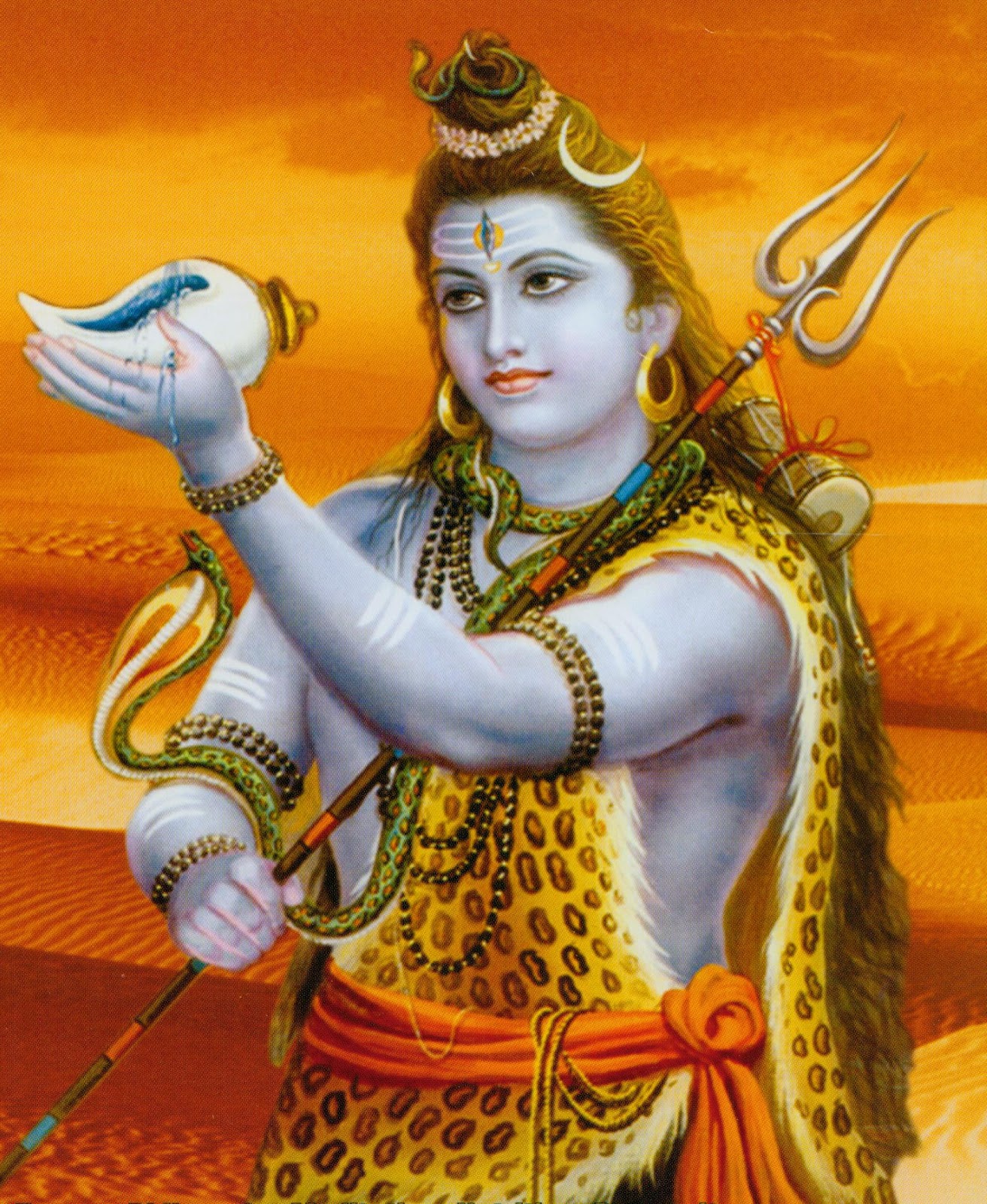
- Shiva, the destroyer, is associated with both creation and destruction. He is depicted with a third eye on his forehead, representing his cosmic vision.
Other Major Deities
Besides the Trimurti, the Hindu pantheon includes numerous other major deities, each with their specific roles and significance:
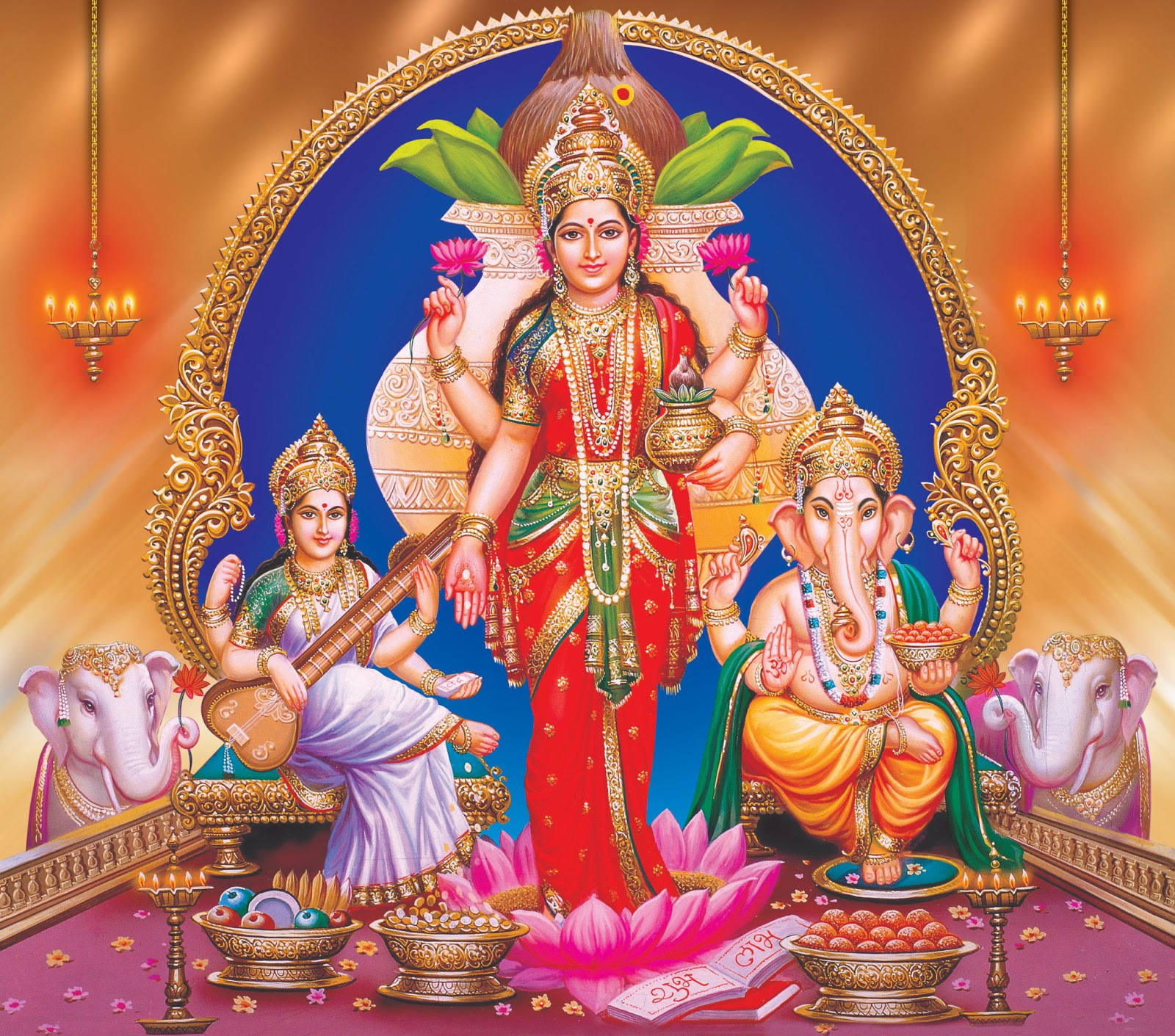
- Ganesha, the elephant-headed god, is revered as the remover of obstacles and the god of wisdom and beginnings.
- Lakshmi, the goddess of wealth and prosperity, is depicted as a beautiful woman holding a lotus flower.
- Saraswati, the goddess of knowledge and music, is the patron of arts, music, and learning.
- Durga, the fierce warrior goddess, protects devotees from evil and danger.
- Krishna, a popular avatar of Vishnu, is known for his playful and enigmatic nature.
Nature Deities
Hinduism also recognizes numerous nature deities, reflecting the close connection between the divine and the natural world:
- Indra, the king of the gods, is associated with thunder, rain, and war.
- Agni, the god of fire, is revered as the messenger between the gods and humans.
- Varuna, the god of the oceans, represents the cosmic order.
- Surya, the sun god, is considered the source of life and energy.
Worship and Devotion
Hindus worship their gods and goddesses through various rituals, prayers, and offerings. Temples, adorned with intricate sculptures and vibrant colors, serve as central places of devotion. Devotees often visit temples to seek blessings, offer prayers, and participate in religious ceremonies.
Cultural and Artistic Expressions
Hindu gods and goddesses have been a constant source of inspiration for Indian art and culture. They are depicted in countless sculptures, paintings, carvings, and musical performances. Their stories and attributes have influenced literature, drama, and dance, enriching the cultural heritage of India and beyond.
Conclusion
The Hindu pantheon of gods and goddesses is a vibrant and multifaceted tapestry of divine beings. From the cosmic Trimurti to the nature deities and the playful avatars, each deity represents a unique aspect of the divine and plays a vital role in the rituals, beliefs, and cultural expressions of Hinduism. By unraveling the stories, attributes, and significance of these divine figures, we gain a deeper understanding of one of the world’s most ancient and fascinating religions.## Hindu Gods & Goddesses: Unveiling The Pantheon Of A Vibrant Religion
Executive Summary
Hinduism, a religion with a rich history spanning over several millennia, encompasses a vast and diverse pantheon of deities. These gods and goddesses, each possessing unique attributes, powers, and realms of influence, play pivotal roles in the spiritual, cultural, and societal fabric of Hindu society. This comprehensive guide delves into the intricacies of Hindu mythology, exploring the origins, characteristics, and significance of the most prominent deities, providing insights into their complex interactions and the profound influence they have on the lives of devotees.
Introduction
Hinduism is a polytheistic religion, characterized by the worship of numerous gods and goddesses. The Hindu pantheon, comprised of over 330 million deities, is a testament to the richness and diversity of this ancient faith. These divine beings, often depicted in human form, embody various aspects of the natural world, human emotions, and abstract concepts. Their stories and interactions have shaped the cultural landscape of India and beyond, inspiring art, literature, music, and countless religious traditions.
FAQs
-
Who are the Trimurti gods?
The Trimurti refers to the三位一体of Brahma, Vishnu, and Shiva. These three gods represent the fundamental aspects of the universe: creation, preservation, and destruction. -
What is the role of goddesses in Hinduism?
Goddesses play a crucial role in Hinduism, embodying power, fertility, and protection. They are often associated with specific aspects of life, such as wealth, knowledge, and war. -
How do Hindus worship their gods and goddesses?
Hindus worship their gods and goddesses through prayer, offerings, and rituals. Temples are dedicated to specific deities, where devotees can offer prayers, perform ceremonies, and seek blessings.
The Top 5 Deities
Brahma: The Creator
- Supreme deity responsible for the creation of the universe.
- Depicted as a four-headed, four-armed god with a white complexion.
- Associated with the color red and the element of water.
Vishnu: The Preserver
- Responsible for maintaining the balance and order of the universe.
- Depicted as a blue-skinned god with four arms, holding a conch shell, a discus, a lotus, and a mace.
- Associated with the color blue and the element of air.
Shiva: The Destroyer
- Represents the transformative power of destruction and renewal.
- Depicted as a muscular god with a third eye on his forehead, holding a trident and a cobra.
- Associated with the color black and the element of earth.
Lakshmi: The Goddess of Wealth
- Brings prosperity, good fortune, and abundance to devotees.
- Depicted as a beautiful woman seated on a lotus, holding a pot of gold coins.
- Associated with the color gold and the element of water.
Saraswati: The Goddess of Knowledge
- Embodies wisdom, art, and music.
- Depicted as a four-armed goddess playing the veena, a stringed instrument.
- Associated with the color white and the element of water.
Conclusion
The Hindu pantheon, with its vast array of gods and goddesses, serves as a mirror reflecting the complexities of life and the universe. Each deity represents a unique aspect of human nature, the natural world, and the divine realm. Through worship and devotion, Hindus seek to connect with these divine beings, drawing inspiration, guidance, and blessings in their personal and spiritual journeys. Understanding the significance of these deities provides a deeper appreciation of the vibrant tapestry of Hindu faith and its enduring influence on world culture.
Keywords
- Hindu Gods
- Hindu Goddesses
- Hindu Pantheon
- Hinduism
- Trimurti