From Cremation to Immersion: Exploring Hindu Rituals and Practices Surrounding Death
Death is an inevitable part of life, and all cultures have their own unique ways of dealing with it. For Hindus, death is seen as a sacred passage to the next life, and there are a number of rituals and practices that are followed to ensure that the deceased’s soul finds peace.
Pre-Death Rituals
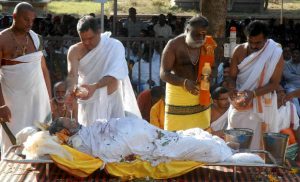
When a Hindu is on the verge of death, they are typically surrounded by family and friends who chant mantras and offer prayers to help their soul transition. In some cases, the dying person may also be given a sip of holy water from the Ganges River.
Cremation
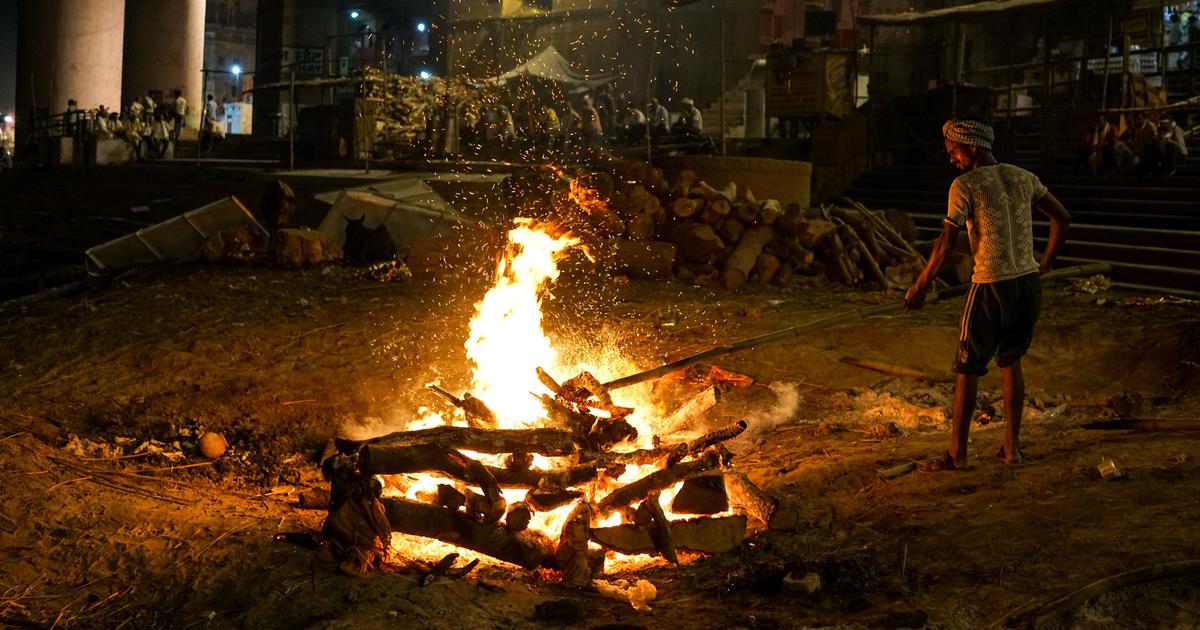
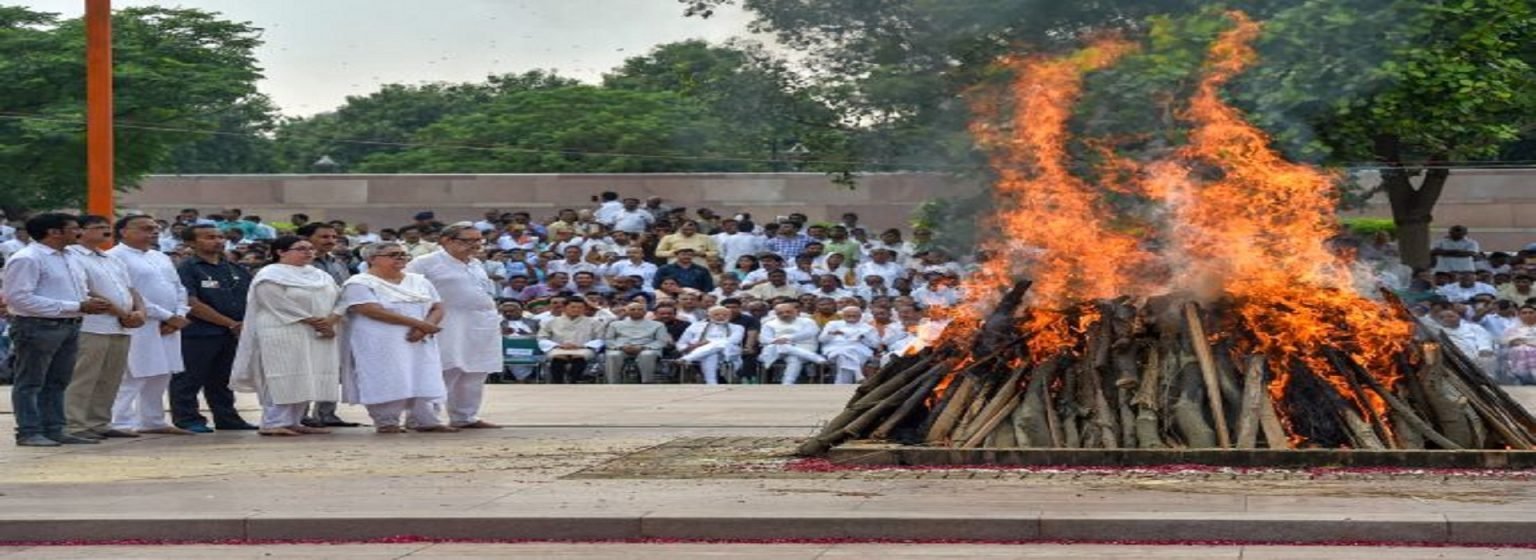
After death, the body is typically cremated. This is because Hindus believe that fire purifies the body and helps the soul to be released from its earthly bonds. The cremation is usually performed on a pyre made of wood and ghee (clarified butter). The eldest son of the deceased typically lights the fire, and the family and friends gather around to witness the cremation.
Ash Immersion
After the cremation, the ashes of the deceased are collected and immersed in a holy river or body of water. This is known as ash immersion, and it is believed to help the soul to find peace and liberation. The most popular place for ash immersion is the Ganges River in Varanasi, India.
Mourning Period
After the ash immersion, the family and friends of the deceased enter a mourning period. This typically lasts for 13 days, during which time they are expected to avoid certain activities, such as attending social events or eating meat. On the 13th day, a special ceremony is held to mark the end of the mourning period.
Ancestral Worship
After the mourning period, the deceased is considered to be an ancestor. Hindus believe that ancestors play an important role in the lives of their descendants, and they are often worshipped and remembered on special occasions. Ancestors are typically worshipped in the home, and they are offered food and water as a way of showing respect.
The Importance of Rituals
The rituals and practices surrounding death in Hinduism are an important part of the grieving process. They help to provide comfort and support to the family and friends of the deceased, and they also help to ensure that the soul of the deceased finds peace and liberation.