Hinduism for Beginners: Key Concepts and Practices Explained
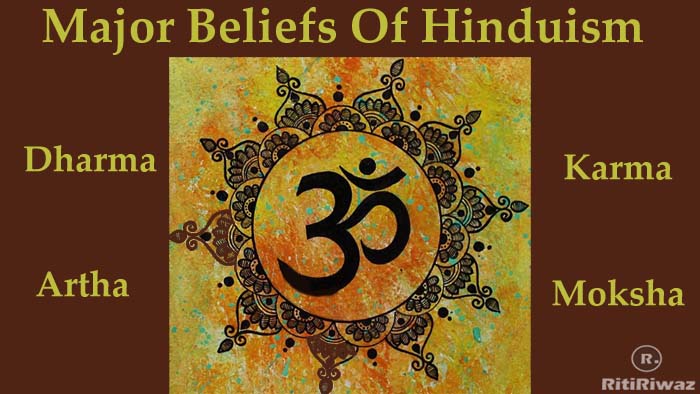
Hinduism is one of the world’s oldest and most diverse religions, with a rich history and a vast array of beliefs and practices. It is a complex and multifaceted religion, but its core teachings are based on the idea of dharma (right action), karma (the law of cause and effect), and moksha (liberation from the cycle of birth and death).
Key Concepts of Hinduism
- Brahman: The ultimate reality, the source of all existence. Brahman is both immanent and transcendent, and is often represented by the sacred syllable “Om.”
- Atman: The individual soul, which is a part of Brahman. Atman is immortal and unchanging, and the goal of Hinduism is to realize the unity of atman and Brahman.
- Dharma: Right action, duty, and righteousness. Dharma is the moral code that governs human behavior, and it is considered to be one of the most important concepts in Hinduism.
- Karma: The law of cause and effect. Karma dictates that every action, thought, and word has a corresponding reaction. The goal of karma is to create positive karma and avoid negative karma, so as to eventually achieve liberation from the cycle of birth and death.
- Moksha: Liberation from the cycle of birth and death. Moksha is the ultimate goal of Hinduism, and it is achieved through spiritual practice, knowledge, and devotion.
Practices of Hinduism
- Prayer: Hindus pray to various gods and goddesses, and they often use mantras (sacred words) to help focus their minds and connect with the divine.
- Meditation: Meditation is an important practice in Hinduism, and it is used to calm the mind, focus the attention, and achieve spiritual insight.
- Yoga: Yoga is a physical, mental, and spiritual discipline that is used to improve health, well-being, and spiritual development.
- Pilgrimage: Hindus often go on pilgrimages to visit holy sites, such as the Ganges River or the temple of Tirupati.
- Festivals: Hindus celebrate a number of festivals throughout the year, including Diwali, Holi, and Navratri. These festivals are often marked by feasts, music, dancing, and religious rituals.
Diversity of Hinduism
Hinduism is a highly diverse religion, with a wide range of beliefs and practices. There are many different schools of thought within Hinduism, and each school has its own unique interpretation of the core teachings. Some Hindus are monotheistic, while others are polytheistic. Some Hindus believe in reincarnation, while others do not. The diversity of Hinduism is one of its strengths, and it allows people from all walks of life to find a spiritual path that is meaningful to them.## Hinduism For Beginners: Key Concepts And Practices Explained
Executive Summary
Hinduism, the world’s oldest major religion, is a diverse and complex system of belief with a rich history and philosophy. This article provides a comprehensive overview of the key concepts and practices of Hinduism, making it accessible to beginners who seek to understand this ancient religion.
Introduction
Hinduism, a vibrant tapestry of beliefs and practices, has captivated the hearts and minds of countless individuals throughout history. Originating in the Indian subcontinent, it is a multifaceted religion that has evolved over millennia, encompassing a vast spectrum of philosophical traditions, deities, and spiritual practices. This beginner’s guide aims to illuminate the core concepts and practices of Hinduism, serving as a gateway into the depths of this ancient religion.
FAQs
Q: What is the origin of Hinduism?
A: The origins of Hinduism are traced back to the ancient Indus Valley Civilization, which flourished around 3300-1900 BCE. Archaeological evidence suggests that the people of this civilization had a sophisticated understanding of the divine and practiced rituals that foreshadowed later Hindu traditions.
Q: Is Hinduism a polytheistic religion?
A: Hinduism is generally considered a polytheistic religion, as it recognizes a vast pantheon of deities. However, the concept of the divine in Hinduism is complex, and many Hindus believe in the fundamental unity of all deities, ultimately perceiving them as manifestations of a single, transcendent reality.
Q: What is the ultimate goal in Hinduism?
A: The ultimate goal in Hinduism is moksha, which refers to liberation from the cycle of rebirth and attainment of self-realization. This state of liberation is achieved through spiritual practices, ethical conduct, and the cultivation of wisdom and compassion.
Subtopics
The Vedas
The Vedas are the oldest and most sacred texts of Hinduism, believed to have been revealed to ancient sages by the divine. They comprise four primary collections: the Rigveda, Samaveda, Yajurveda, and Atharvaveda. The Vedas contain hymns, rituals, and philosophical teachings that form the foundation of Hindu belief and practice.
- Rigveda: The Rigveda is the oldest of the Vedas, containing a collection of over 1,000 hymns dedicated to various deities.
- Samaveda: The Samaveda is a collection of melodies and chants used in religious rituals.
- Yajurveda: The Yajurveda provides instructions for the performance of Vedic rituals.
- Atharvaveda: The Atharvaveda contains spells, charms, and incantations used for protection, healing, and other purposes.
The Upanishads
The Upanishads are a collection of philosophical texts that emerged in the late Vedic period. They explore the nature of reality, the soul, and the relationship between the individual and the divine. The Upanishads emphasize the importance of self-knowledge, meditation, and the realization of the ultimate unity of all things.
- Atman: The Upanishads posit the concept of Atman, the true self or inner essence of all beings, which is identical with the divine Brahman.
- Brahman: Brahman is the ultimate reality, the source of the universe, and the ground of all existence.
- Maya: Maya is the illusion or veil that conceals the true nature of reality and leads to suffering.
- Karma: Karma refers to the law of cause and effect, which determines the consequences of one’s actions and the nature of one’s future existence.
The Bhagavad Gita
The Bhagavad Gita is a sacred text of Hinduism, revered as an epitome of Hindu philosophy and spirituality. It is a dialogue between the deity Krishna and the warrior Arjuna, exploring the nature of duty, ethics, and the ultimate goal of human life.
- Dharma: Dharma is the concept of righteousness, duty, and moral conduct, which provides guidance for individuals and societies.
- Bhakti: Bhakti refers to the path of devotion, where the individual cultivates love and surrender to a particular deity.
- Karma Yoga: Karma Yoga is the path of selfless action, where individuals perform their duties without attachment to personal rewards or outcomes.
- Jnana Yoga: Jnana Yoga is the path of knowledge and wisdom, where individuals seek to understand the nature of reality and the true self.
The Trimurti
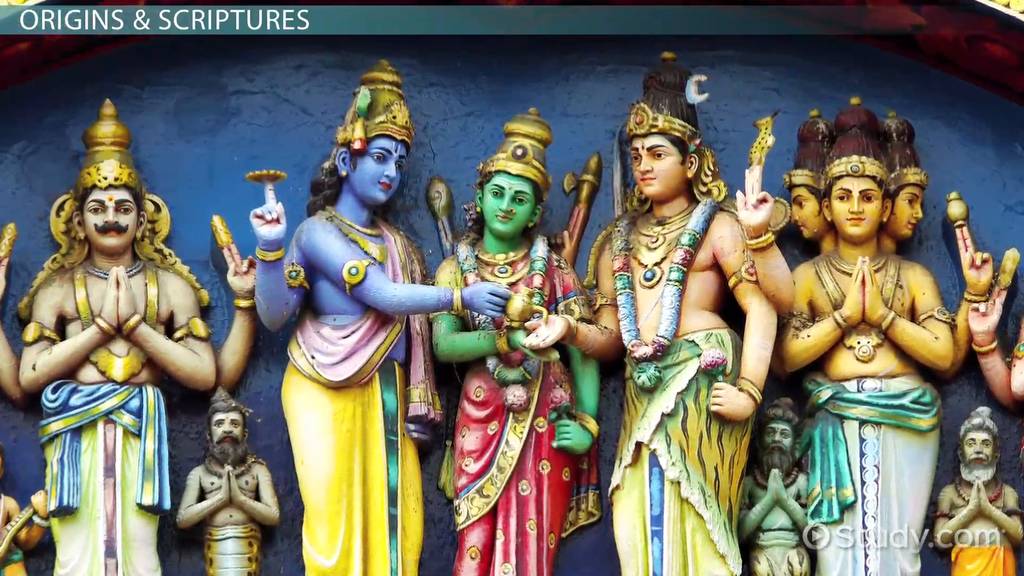
The Trimurti is a trinity of deities that represents the three main aspects of the divine in Hinduism. Brahma is the creator, Vishnu is the preserver, and Shiva is the destroyer. Together, they symbolize the cyclical nature of the universe and the balance of creation, preservation, and dissolution.
- Brahma: Brahma, often depicted with four heads and four arms, is the creator of the universe and the source of all knowledge.
- Vishnu: Vishnu, known as the preserver, is responsible for maintaining the order and balance of the universe. He assumes various incarnations, such as Rama and Krishna, to protect the world from evil.
- Shiva: Shiva, often depicted with a crescent moon on his forehead, is the destroyer who brings about the dissolution of the universe, paving the way for recreation.
The Four Vedas
Hinduism recognizes four Vedas, each with its own unique focus and teachings. They serve as the foundation of the religion and provide guidance on various aspects of life and spirituality.
- Rig Veda: The Rig Veda is the oldest of the Vedas and contains hymns and prayers dedicated to various deities.
- Sama Veda: The Sama Veda is a collection of melodies and chants used in religious rituals.
- Yajur Veda: The Yajur Veda provides instructions on the performance of Vedic rituals.
- Atharva Veda: The Atharva Veda contains spells, charms, and incantations used for protection, healing, and other purposes.
Conclusion
Hinduism, with its vast array of beliefs, practices, and philosophical traditions, offers a profound and multifaceted understanding of the human experience. The key concepts and practices outlined in this beginner’s guide serve as a stepping stone into the rich tapestry of Hinduism, inviting curious minds to explore further and delve deeper into the wisdom and insights it has to offer.
Keyword Tags
- Hinduism
- Vedas
- Upanishads
- Bhagavad Gita
- Trimurti