The Diverse Deities of Hinduism: Unveiling the Rich Pantheon of Hindu Gods and Goddesses
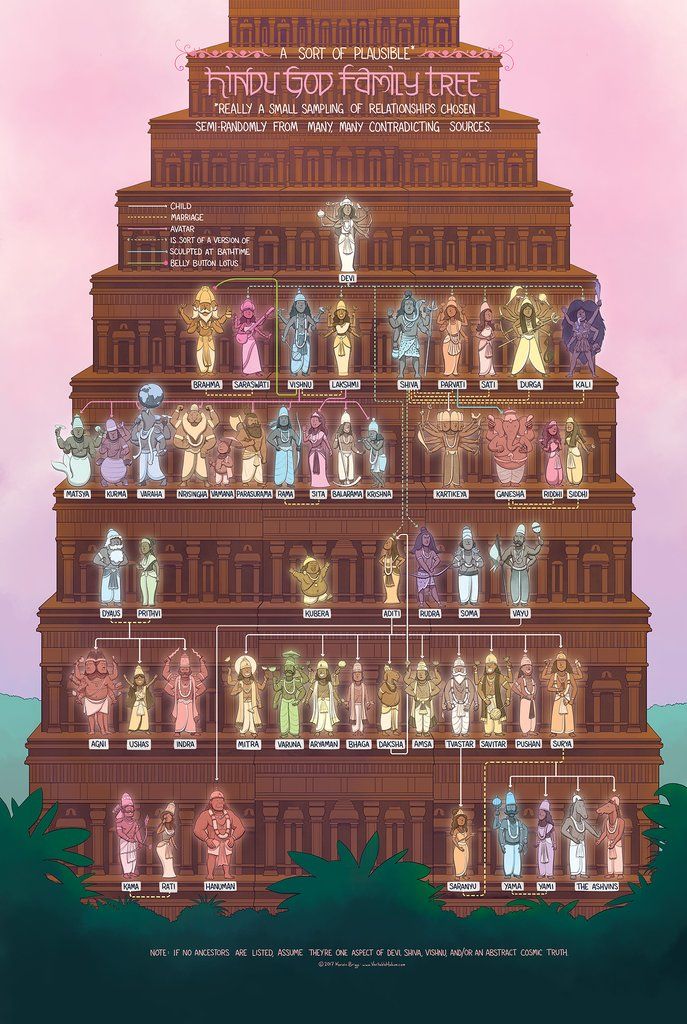
Hinduism, the ancient and revered religion of India, boasts a vast and intricate pantheon of deities. These divine beings, each with their own unique attributes, powers, and spheres of influence, form the core of Hindu religious belief and practice. This article delves into the rich tapestry of Hindu mythology, exploring the diverse deities that populate this vibrant spiritual landscape.
Brahma: The Creator
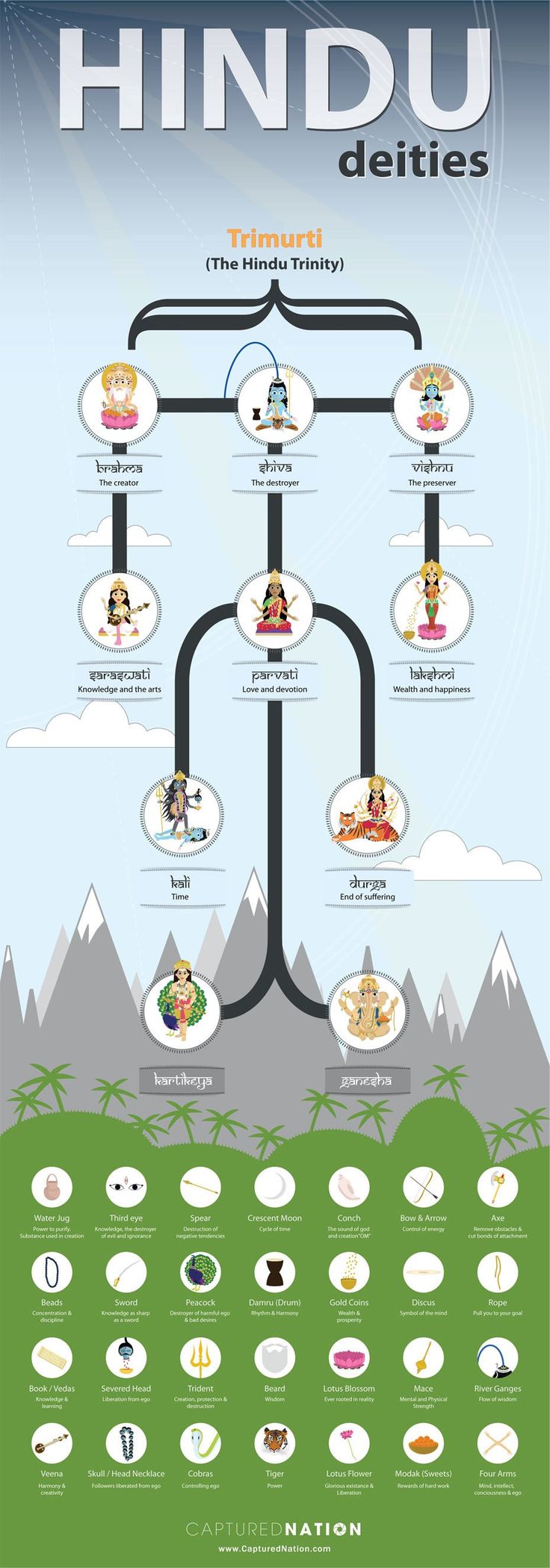
At the apex of the Hindu pantheon stands Brahma, the creator of the universe. Depicted with four heads and four arms, Brahma represents the principle of creation and is responsible for bringing forth all that exists. He is often invoked during religious ceremonies and is considered the grandfather of all living beings.
Vishnu: The Preserver
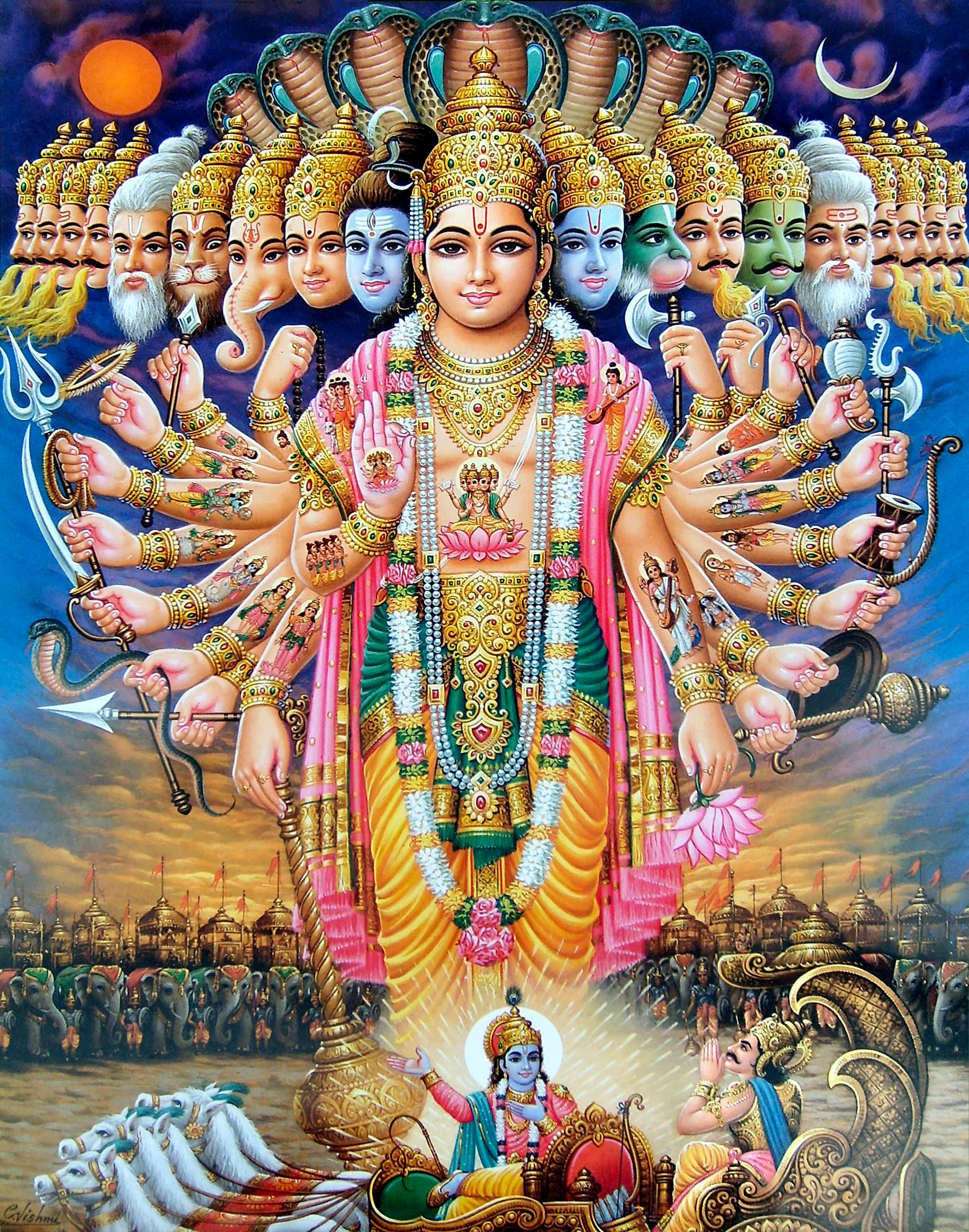
Vishnu, the second deity of the Hindu trinity, is associated with preservation and protection. Known as the “Lord of the Universe,” Vishnu is believed to have incarnated into various avatars, such as Rama and Krishna, to restore dharma (righteousness) on Earth. He holds a conch shell, a discus, a lotus, and a mace as his attributes.
Shiva: The Destroyer
Shiva, the third member of the Hindu trinity, is the god of destruction, transformation, and regeneration. Depicted with a third eye on his forehead and a serpent coiled around his neck, Shiva represents the transformative power of time and the cyclical nature of existence. He is often worshipped as the destroyer of evil and the bringer of liberation.
Saraswati: The Goddess of Knowledge and Wisdom
Saraswati is the goddess of knowledge, music, art, and wisdom. She is depicted as a beautiful woman seated upon a lotus, holding a book and a musical instrument known as the veena. Saraswati is invoked by students and scholars seeking enlightenment and intellectual prowess.
Lakshmi: The Goddess of Wealth and Prosperity
Lakshmi is the consort of Vishnu and the goddess of wealth, prosperity, and abundance. She is depicted as a golden-skinned woman standing or seated upon a lotus, holding gold coins and a lotus flower. Lakshmi is worshipped by devotees seeking material success and financial stability.
Durga: The Goddess of War and Protection
Durga is a fierce and powerful goddess associated with war, protection, and victory. She is often depicted riding a lion or tiger, armed with multiple weapons and weapons. Durga is worshipped as the protector against evil and the bringer of strength and courage.
Ganesha: The Remover of Obstacles
Ganesha is the elephant-headed god who is considered the remover of obstacles and the patron of beginnings. He is invoked at the start of any new venture or undertaking, whether it be a religious ceremony, a journey, or a business deal. Ganesha is widely worshipped across India and is known for his wisdom, intelligence, and good humor.
Hanuman: The Monkey God
Hanuman is a beloved and revered deity in Hinduism, known for his immense strength, devotion, and loyalty. He is worshipped as the son of the wind god, Vayu, and is often depicted as a monkey with a human-like face. Hanuman is associated with courage, strength, and overcoming challenges.
Kali: The Goddess of Time and Destruction
Kali is a fierce and powerful goddess who represents the destructive aspect of time and the relentless cycle of birth, death, and rebirth. She is depicted as a dark-skinned woman with a lolling tongue and a garland of skulls around her neck. Kali is worshipped by devotees seeking liberation from fear, ignorance, and attachment.
Conclusion
The pantheon of Hindu deities is vast and multifaceted, reflecting the richness and diversity of Hindu belief and practice. From the supreme creator Brahma to the destroyer Shiva, from the goddess of knowledge Saraswati to the protector Durga, each deity embodies a unique aspect of the divine and plays a vital role in the Hindu spiritual landscape. Understanding these diverse deities provides a glimpse into the profound spiritual wisdom and cultural heritage of Hinduism.## [The Diverse Deities Of Hinduism: Unveiling The Rich Pantheon Of Hindu Gods And Goddesses]
Executive Summary
Hinduism, the third-largest religion globally, boasts an extensive pantheon brimming with multifaceted deities. This article delves into the rich tapestry of Hindu gods and goddesses, exploring their distinct characteristics, roles, and symbolism. By understanding the diverse deities of Hinduism, we gain a deeper appreciation for the intricate tapestry of this ancient faith.
Introduction
Hinduism’s pantheon is a vibrant kaleidoscope of divine beings, each embodying specific qualities and guiding principles. From the revered trinity of Brahma, Vishnu, and Shiva to the beloved goddesses Lakshmi and Saraswati, the Hindu pantheon encompasses a multitude of personalities and narratives that captivate the hearts and minds of believers.
FAQs
1. How many deities are there in Hinduism?
The exact number of Hindu deities is vast and varies depending on the tradition and interpretation. However, Hinduism recognizes millions of divine beings, each with their own unique attributes and significance.
2. Are all Hindu deities worshipped equally?
While all deities are revered in Hinduism, certain gods and goddesses hold greater prominence among the masses. The trinity of Brahma, Vishnu, and Shiva, as well as a select group of goddesses, are widely worshipped and receive extensive devotion.
3. Do Hindus believe in a single God?
Hinduism embraces a concept of both monotheism and polytheism. While Hinduism recognizes an ultimate reality or Brahman, the essence of the universe, it also acknowledges the manifestation of divine energy in various forms, leading to the reverence of multiple gods and goddesses.
Top 5 Deities
Brahma: The Creator
- Origin: Brahma emerged from the navel of Lord Vishnu.
- Symbolism: Brahma represents the creative force of the universe.
- Role: As the creator, Brahma is responsible for the birth and manifestation of all living beings and the universe itself.
- Iconography: Brahma is depicted with four heads, symbolizing the four Vedas, the ancient Hindu scriptures.
- Consort: Saraswati, the goddess of wisdom and learning.
Vishnu: The Preserver
- Origin: Vishnu is said to have manifested from the primordial waters.
- Symbolism: Vishnu represents the protective and sustaining force of the universe.
- Role: Vishnu’s primary role is to maintain the balance and harmony of the universe through his various avatars or incarnations.
- Iconography: Vishnu is often depicted holding a conch, discus, lotus, and mace, symbolizing his power and protection.
- Consort: Lakshmi, the goddess of wealth and prosperity.
Shiva: The Destroyer
- Origin: Shiva is believed to have emerged from the forehead of Brahma.
- Symbolism: Shiva represents the destructive and transformative force of the universe.
- Role: Shiva is responsible for the dissolution of the universe and the liberation of souls from the cycle of rebirth.
- Iconography: Shiva is often portrayed with a third eye, a crescent moon adorning his head, and a serpent coiled around his neck.
- Consort: Parvati, the goddess of power and fertility.
Lakshmi: The Goddess of Wealth
- Origin: Lakshmi is said to have emerged from the churning of the cosmic ocean.
- Symbolism: Lakshmi represents material wealth, prosperity, and abundance.
- Role: Lakshmi is worshipped for blessings of wealth, success, and fortune.
- Iconography: Lakshmi is depicted as a beautiful woman seated on a lotus, holding a lotus in her hand.
- Consort: Vishnu, the preserver of the universe.
Saraswati: The Goddess of Knowledge
- Origin: Saraswati is believed to have emerged from the mind of Brahma.
- Symbolism: Saraswati represents wisdom, knowledge, and eloquence.
- Role: Saraswati is worshipped for blessings of learning, creativity, and intellectual pursuits.
- Iconography: Saraswati is often depicted as a beautiful woman seated on a swan, holding a book and a musical instrument, such as a veena or sitar.
- Consort: Brahma, the creator of the universe.
Conclusion
The diverse deities of Hinduism form an integral part of the religion’s rich tapestry of beliefs and practices. Each deity embodies specific qualities and fulfills unique roles, guiding the lives of devotees and shaping their spiritual understanding. Through the worship and reverence of these divine beings, Hindus seek blessings, protection, and liberation. Understanding the diverse deities of Hinduism not only enhances our appreciation for this ancient faith but also fosters a deeper connection with the divine.
Relevant Keyword Tags
- Hindu Deities
- Pantheon of Hindu Gods
- Brahma
- Vishnu
- Shiva
- Lakshmi
- Saraswati