
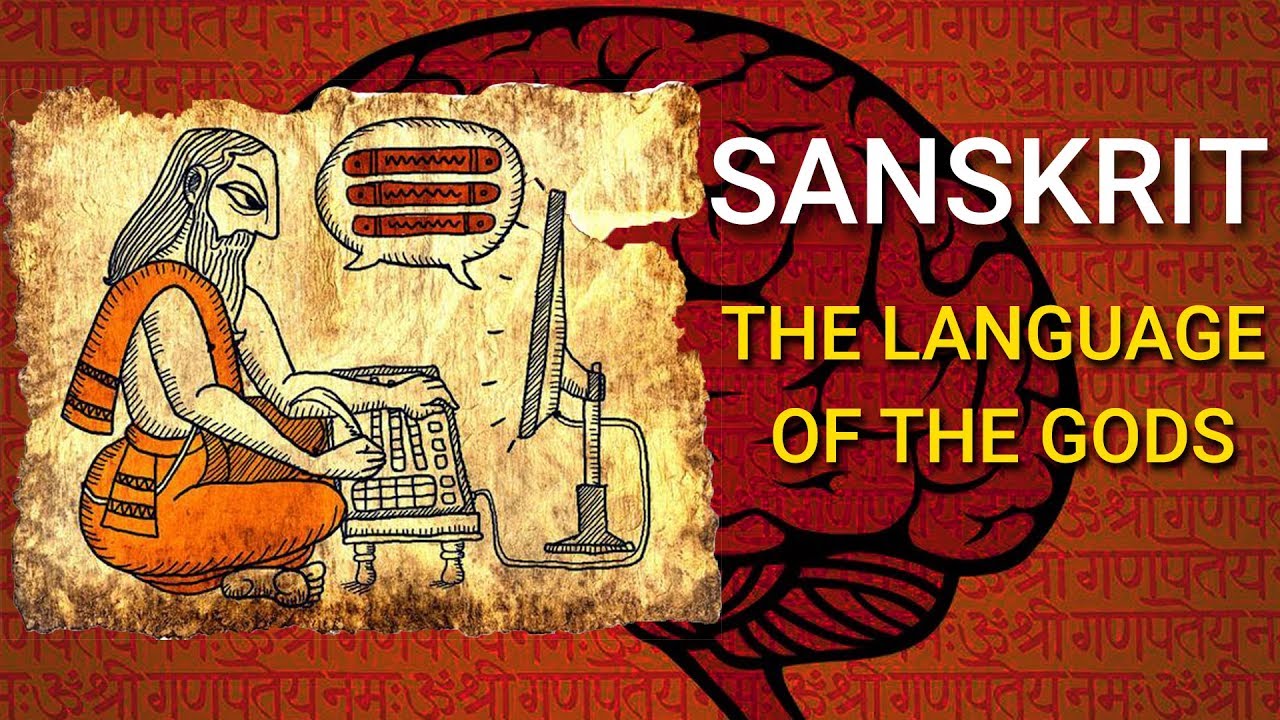
The Importance of Sanskrit in Hinduism: The Language of the Gods
Sanskrit is an ancient Indo-Aryan language that holds a significant position in Hinduism, the major religion of India. It is revered as the sacred language of the gods, the language of the Vedas, and the medium through which divine knowledge is revealed.

1. Language of the Vedas and Hindu Scriptures
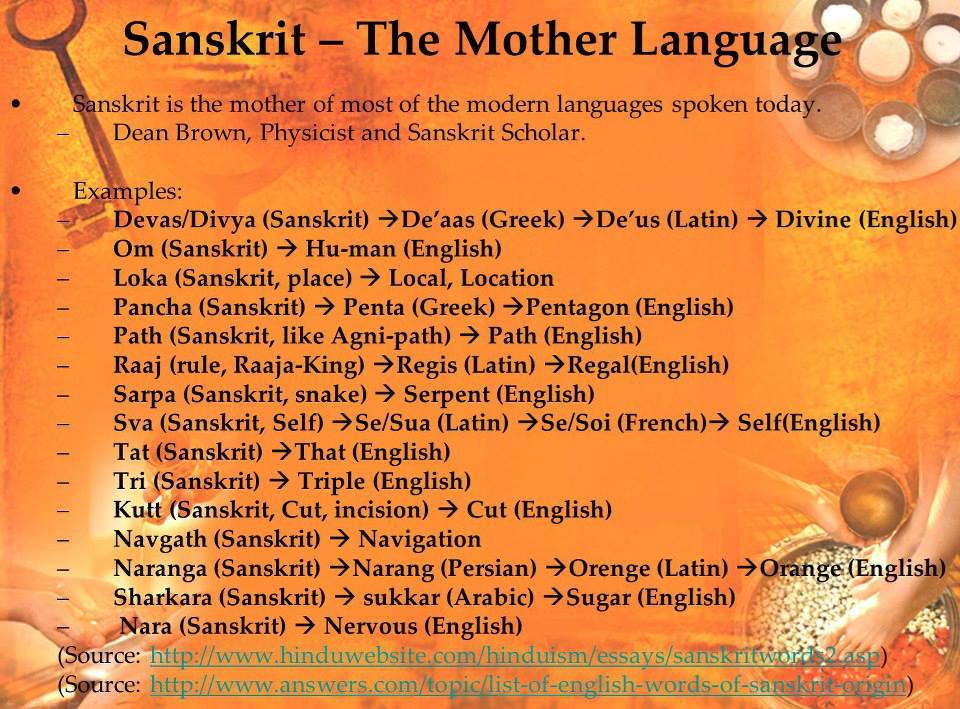
The Vedas, the most ancient and sacred texts of Hinduism, are composed in Sanskrit. These texts contain hymns, prayers, rituals, and philosophical insights that form the foundation of Hindu beliefs and practices. Sanskrit is also the language of the Upanishads, the Bhagavad Gita, and other important Hindu scriptures.
2. Medium of Divine Revelation
Hindus believe that Sanskrit is the language spoken by the gods and that it was chosen as the medium for revealing divine knowledge. The Vedas are said to have been heard by ancient sages in a state of meditation and transcribed into Sanskrit.
3. Sacred Sound (Nada-Brahman)
In Hinduism, sound is considered sacred, and Sanskrit is believed to possess a particular vibratory power. The Sanskrit alphabet (devanagari) is seen as a representation of the fundamental elements of the universe, and the chanting of Sanskrit mantras (sacred words or phrases) is considered to evoke spiritual states and invoke divine blessings.
4. Ritualistic and Ceremonial Use
Sanskrit is used extensively in Hindu rituals and ceremonies. Prayers, hymns, and mantras are recited in Sanskrit to connect with the divine and invoke blessings. The language also finds its place in religious festivals, weddings, and other important life events.
5. Preserving Cultural Heritage
Sanskrit has been a major vehicle for the preservation and transmission of Hindu culture and tradition for centuries. It has allowed Hindus to access and understand the teachings and practices from ancient times, ensuring continuity and spiritual guidance.
6. Linguistic and Literary Significance
Sanskrit is not only a religious language but also has immense linguistic and literary significance. It is one of the oldest known Indo-European languages and has influenced many other languages, including Hindi, Bengali, and Marathi. Its vast vocabulary and intricate grammar have inspired a rich tradition of Sanskrit literature, including epics, dramas, and philosophical treatises.
Conclusion
Sanskrit holds a paramount position in Hinduism as the language of the gods, the medium of divine revelation, and a sacred sound that connects devotees to the divine. Its ritualistic, ceremonial, and cultural significance has ensured that it remains an integral part of Hindu faith and traditions to this day. Understanding the importance of Sanskrit provides a deeper appreciation of the richness and depth of Hinduism.## [The Importance Of Sanskrit In Hinduism: The Language Of The Gods]
Sanskrit is a sacred language in Hinduism. Hindus believe that it is the language of the gods and was used by the rishis (sages) to compose the Vedas, the ancient scriptures of Hinduism. Sanskrit is an important part of Hindu culture and tradition, and is used in religious ceremonies, prayers, and hymns. The study of Sanskrit is considered to be a way to achieve spiritual enlightenment.
Executive Summary
Sanskrit, the ancient language of the Indian subcontinent, holds immense religious and cultural significance in Hinduism. It is regarded as the celestial tongue spoken by the gods, used in sacred texts like the Vedas, and serves as a medium for spiritual communication and enlightenment.
Introduction
Sanskrit, an Indo-Aryan language, has played a profound role in the development of Indian civilization. Its roots trace back to the Vedic era, around 1500 BCE, and it has influenced not only Hinduism but also other religious traditions, philosophy, and literature in South Asia.
FAQs
Q: Why is Sanskrit considered sacred in Hinduism?
A: Hindus believe Sanskrit was the language used by the gods, and the Vedas were composed in it, making it a divine language.
Q: How is Sanskrit used in Hinduism?
A: Sanskrit is used in religious rituals, prayers, hymns, and philosophical texts, serving as a medium for communication with the divine.
Q: What is the significance of learning Sanskrit in Hinduism?
A: Studying Sanskrit is seen as a path to spiritual enlightenment, providing access to ancient wisdom and a deeper understanding of Hindu scriptures.
Significance Of Sanskrit
Vedas
- The Vedas are the most sacred texts in Hinduism, believed to be the infallible words of God. They were orally transmitted for centuries before being written down in Sanskrit.
- The Vedas contain hymns, prayers, rituals, and philosophical teachings that form the foundation of Hindu beliefs and practices.
- Studying the Vedas in Sanskrit allows scholars and devotees to access the original teachings without distortion or misinterpretation.
Mantras
- Mantras are sacred sounds or words that are repeated during meditation and religious rituals. They are believed to have spiritual power and can help the practitioner achieve specific goals.
- Sanskrit mantras are considered particularly potent due to the language’s divine nature.
- Chanting mantras in Sanskrit can help focus the mind, connect with the divine, and purify the soul.
Epics and Puranas
- The Ramayana and Mahabharata are two of the most famous epics in Hinduism. They tell the stories of Lord Rama and Krishna, respectively.
- These epics are written in Sanskrit and contain important moral lessons and philosophical teachings.
- Studying these epics in Sanskrit provides a rich understanding of Hindu mythology and culture.
Tantra
- Tantra is a complex spiritual tradition that emphasizes the use of rituals, mantras, and meditation to achieve spiritual enlightenment.
- Sanskrit is the primary language used in Tantric texts and rituals.
- Understanding Sanskrit is essential for practitioners of Tantra to comprehend the teachings and perform the rituals accurately.
Yoga and Vedanta
- Yoga and Vedanta are two important philosophical systems in Hinduism. They focus on spiritual development and the nature of reality.
- Sanskrit is the language of Yoga and Vedanta scriptures and commentaries.
- Studying Sanskrit enables a deeper understanding of the concepts and practices of these systems.
Conclusion
Sanskrit, as the language of the gods, holds immense significance in Hinduism. Its use in the Vedas, mantras, epics, Tantra, and Yoga connects Hindus to their religious and spiritual traditions. The study of Sanskrit unlocks access to ancient wisdom and provides a profound understanding of Hindu beliefs and practices. Embracing Sanskrit enriches the spiritual journey and fosters a deep connection with the divine.
Keyword Tags
- Sanskrit
- Hinduism
- Vedas
- Mantras
- Spiritual enlightenment