
Beyond Idols: Understanding the Symbolism in Hindu Deities and Rituals
Hinduism is a complex and multifaceted religion with a rich tradition of symbolism. The deities, rituals, and iconography of Hinduism are all steeped in meaning, and understanding their symbolism can provide a deeper appreciation of this ancient faith.
Deities
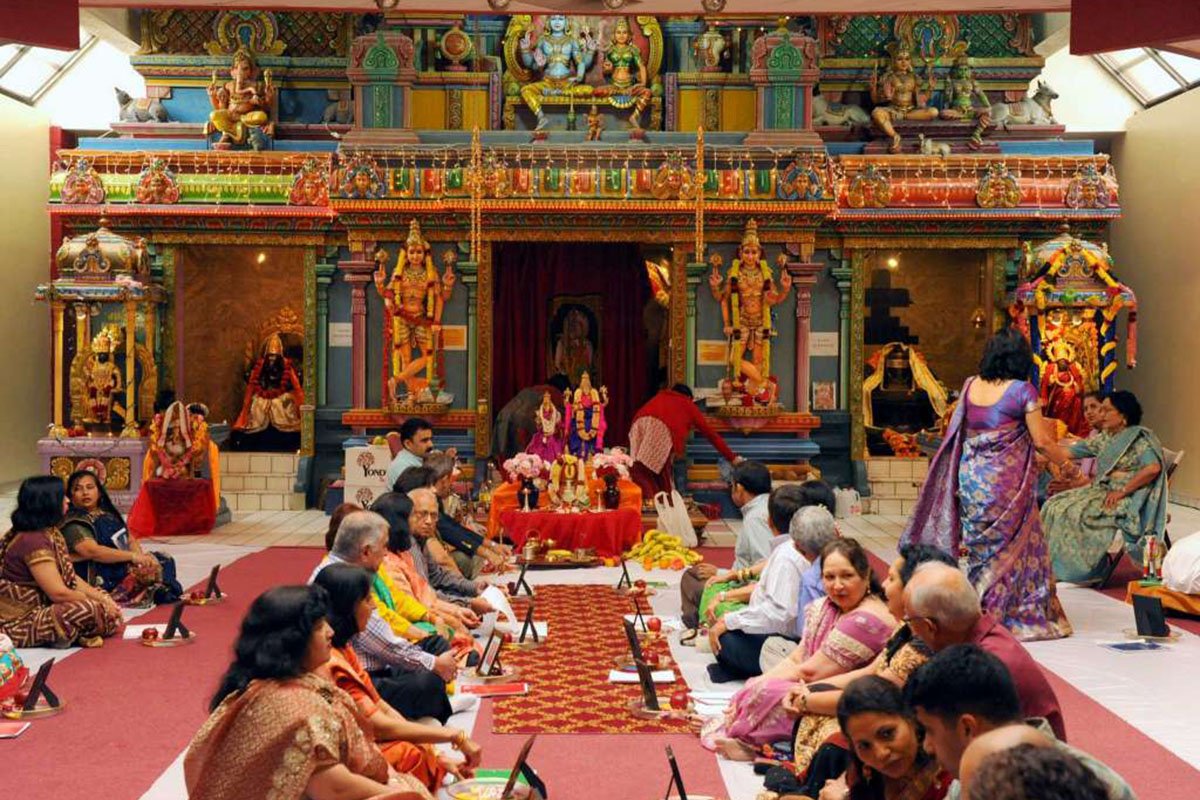
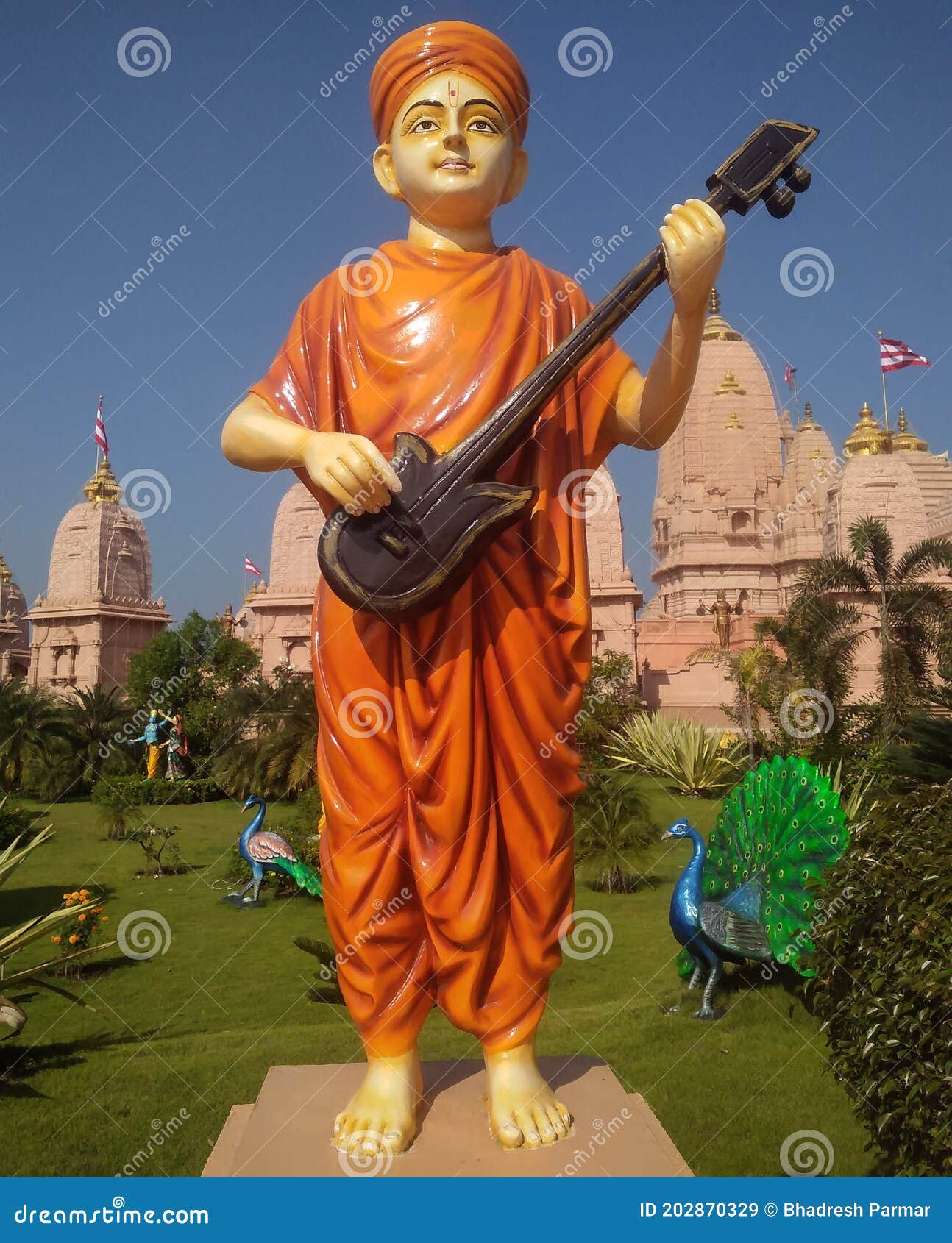
Hindu deities are not simply supernatural beings; they are also symbols of different aspects of the divine. The three main deities of Hinduism – Brahma, Vishnu, and Shiva – represent the three primary functions of the universe: creation, preservation, and destruction.
- Brahma is the creator god, responsible for bringing the universe into being. He is often depicted with four heads, each representing one of the four Vedas, the sacred texts of Hinduism.
- Vishnu is the preserver god, who maintains the universe and protects it from evil. He is often depicted with four arms, holding a conch shell, a discus, a lotus flower, and a club.
- Shiva is the destroyer god, who destroys the universe in order to make way for a new one. He is often depicted with a third eye on his forehead, which represents his ability to see beyond the illusions of the world.
In addition to the three main deities, there are also many other gods and goddesses in Hinduism. Each deity has its own unique symbolism and represents a different aspect of the divine.
Rituals
Hindu rituals are also full of symbolism. The daily puja, or worship service, is a way to connect with the divine and to receive blessings. The offerings made during the puja, such as flowers, water, and food, are all symbolic of different aspects of the worshiper’s devotion.
Other Hindu rituals, such as the wedding ceremony and the funeral rites, are also rich in symbolism. The wedding ceremony, for example, is a symbol of the union of two souls, while the funeral rites are a way to help the soul transition to the afterlife.
Iconography
Hindu iconography is also a powerful form of symbolism. The images of deities, animals, and other symbols are used to convey religious concepts and to inspire devotion.
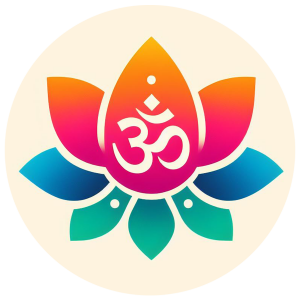
- The lotus flower is a common symbol in Hindu art. It represents purity, beauty, and spiritual enlightenment.
- The elephant is another common symbol in Hindu art. It represents strength, wisdom, and good luck.
- The snake is a symbol of transformation and rebirth. It is also associated with the god Shiva.
Conclusion
The symbolism of Hindu deities and rituals is a rich and complex subject. By understanding the meaning behind the symbols, we can gain a deeper appreciation of this ancient faith.## Beyond Idols: Understanding The Symbolism In Hindu Deities And Rituals
Executive Summary
Hinduism is a complex and multifaceted religion with a vast array of deities, rituals, and symbols. While idols are often used to represent these deities, they are merely a physical manifestation of the deeper philosophical and spiritual concepts that lie at the heart of Hinduism.
Introduction
Hinduism is one of the world’s oldest religions, with a rich and diverse history. Its vast pantheon of deities and rituals has captured the imagination and belief of millions of people for centuries. However, beyond the iconic idols and rituals, there lies a profound and intricate system of symbolism that gives Hinduism its unique character.
FAQs
- What is the significance of idols in Hinduism?
- What are the different types of Hindu deities?
- What is the purpose of Hindu rituals?
Subtopics
1. Symbolism in Hindu Idols
- Representation of the Divine: Idols represent the divine nature of Hindu deities, embodying their powers, attributes, and qualities.
- Connection to the Divine: Idols serve as a tangible connection between devotees and the divine, allowing them to focus their worship and devotion.
- Manifestation of the Universe: Idols symbolize the diverse manifestations of the universe, representing the elements, forces, and energies that govern existence.
- Artistic Expression: Idols are often works of great artistic beauty, expressing the creativity and imagination of their creators.
- Cultural Identity: Idols play a crucial role in Hindu culture, serving as symbols of community, identity, and heritage.
2. The Divine Feminine in Hinduism
- Shakti: The divine feminine is known as Shakti, representing the creative and dynamic aspect of the divine.
- Devis: Shakti manifests in various forms as devis, or goddesses, each with their own powers and attributes.
- Devi Worship: The worship of devis is prevalent in Hinduism, offering devotees a path to empowerment, creativity, and spiritual liberation.
- Divine Mother: Many devis are seen as Divine Mothers, nurturing and protecting their devotees, embodying the compassion and love of the divine.
- Feminine Energy: Devi worship celebrates the feminine energy within the divine, challenging traditional gender roles and empowering women.
3. The Concept of Karma and Dharma
- Karma: Karma refers to the law of action and consequence, governing the cyclical nature of birth, death, and rebirth.
- Dharma: Dharma is the path of righteousness and duty, guiding individuals to live in harmony with the universal laws.
- Consequences of Actions: Karma determines the consequences of an individual’s actions, shaping their present and future experiences.
- Ethical Behavior: Dharma provides a moral framework for ethical behavior, guiding individuals to make choices that promote their own and others’ well-being.
- Spiritual Evolution: Understanding karma and dharma is essential for spiritual evolution, as it allows individuals to transcend the cycle of reincarnation and achieve liberation.
4. Temple Architecture and Symbolism
- Sacred Spaces: Hindu temples are considered sacred spaces, representing the dwelling places of deities.
- Symbolism in Temple Design: Every aspect of a temple’s design, from its orientation to its ornaments, carries symbolic meaning.
- Garbhagriha: The garbhagriha, or sanctum sanctorum, is the innermost chamber of the temple, where the main deity is enshrined.
- Shikhara: The shikhara, or temple tower, represents Mount Meru, the mythical abode of the gods.
- Mandala: The temple layout often follows a mandala pattern, symbolizing the universe and its cosmic order.
5. The Role of Rituals in Hinduism
- Devotional Practices: Rituals are an integral part of Hindu worship, expressing devotion to the deities.
- Purification and Transformation: Rituals can aid in purification and transformation, both on an individual and collective level.
- Connection to Tradition: Rituals connect devotees to their ancestors and the long tradition of Hinduism.
- Community Building: Rituals bring communities together, reinforcing social bonds and fostering a sense of belonging.
- Spiritual Discipline: Rituals can serve as a form of spiritual discipline, helping devotees cultivate concentration, focus, and self-awareness.
Conclusion
Hinduism is a religion rich in symbolism, its deities, rituals, and idols serving as potent reminders of the interconnectedness of the divine and the human. By understanding the symbolism that underlies these external manifestations, we gain a deeper appreciation for the profound philosophy and spiritual wisdom of Hinduism.
Keyword Tags
- Hinduism
- Symbolism
- Hindu Deities
- Hindu Rituals
- Divine Feminine