
The Power Of Rituals In Hinduism: Daily Practices & Grand Celebrations Explained
Executive Summary
Hinduism is a religion steeped in tradition and ritual. From daily prayers and offerings to elaborate festivals and ceremonies, rituals play a vital role in the lives of Hindus. This article explores the significance of rituals in Hinduism, examining both their daily practices and grand celebrations. Through a comprehensive understanding of these rituals, we gain insight into the rich tapestry of Hindu beliefs, values, and practices.
Introduction
Rituals are an integral part of human societies, providing structure, meaning, and a sense of connection to the divine. In Hinduism, rituals hold особую importance, serving as a means of expressing devotion, seeking blessings, and commemorating significant events. They are deeply ingrained in the daily lives of Hindus and permeate every aspect of their religious and social existence.
FAQs
1. What is the purpose of rituals in Hinduism?
Rituals in Hinduism serve multiple purposes, including:
- Devotional Practices: Expressing devotion to deities and seeking their blessings.
- Purification: Cleansing oneself physically and spiritually, preparing for religious ceremonies.
- Commemoration: Honoring significant events, such as births, marriages, and deaths.
- Social Cohesion: Strengthening bonds within the community and fostering a sense of belonging.
2. How often do Hindus perform rituals?
Hindus perform rituals daily, weekly, seasonally, and annually. Daily rituals include prayers, offerings, and meditation. Weekly rituals center around temple visits and specific devotional practices. Seasonal rituals are associated with agricultural cycles and festivals. Annual rituals mark major life events and religious holidays.
3. Who performs rituals in Hinduism?
Rituals in Hinduism can be performed by individuals, families, or by priests in temples. Daily rituals are typically carried out by individuals, while more complex ceremonies are often conducted by priests. However, all Hindus are encouraged to participate in rituals according to their ability and circumstances.
Daily Practices
Daily rituals form the foundation of Hindu religious life. They provide a structured framework for connecting with the divine and cultivating spiritual growth.
Sandhya
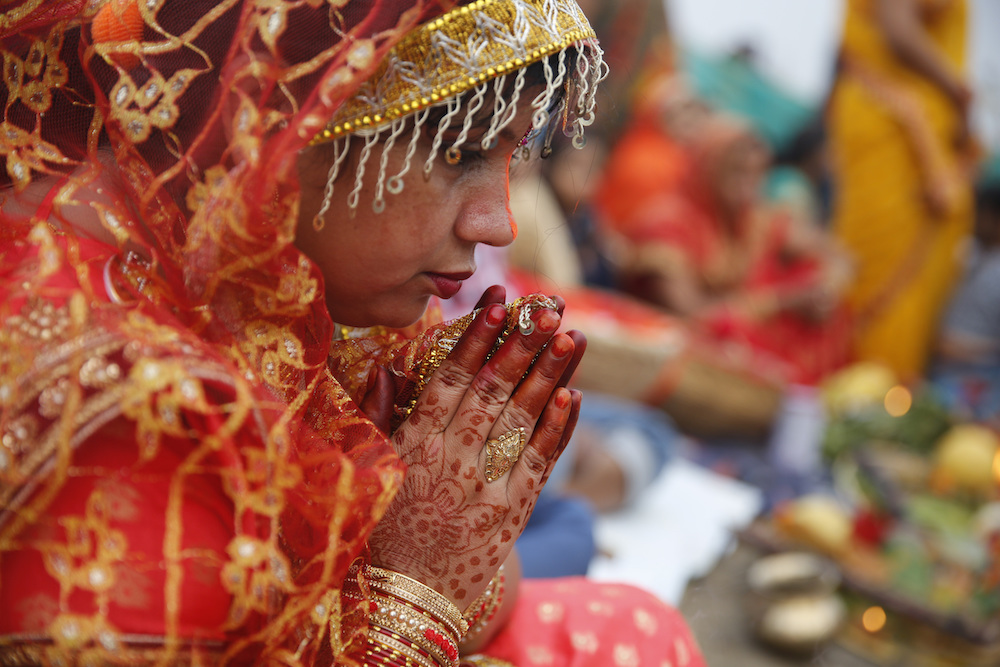
- Also known as the “twilight prayers,” Sandhya is performed twice daily, at sunrise and sunset.
- Involves reciting sacred mantras, offering water libations, and invoking various deities.
- Thought to purify the mind and body and attune the individual to the rhythms of nature.
Puja
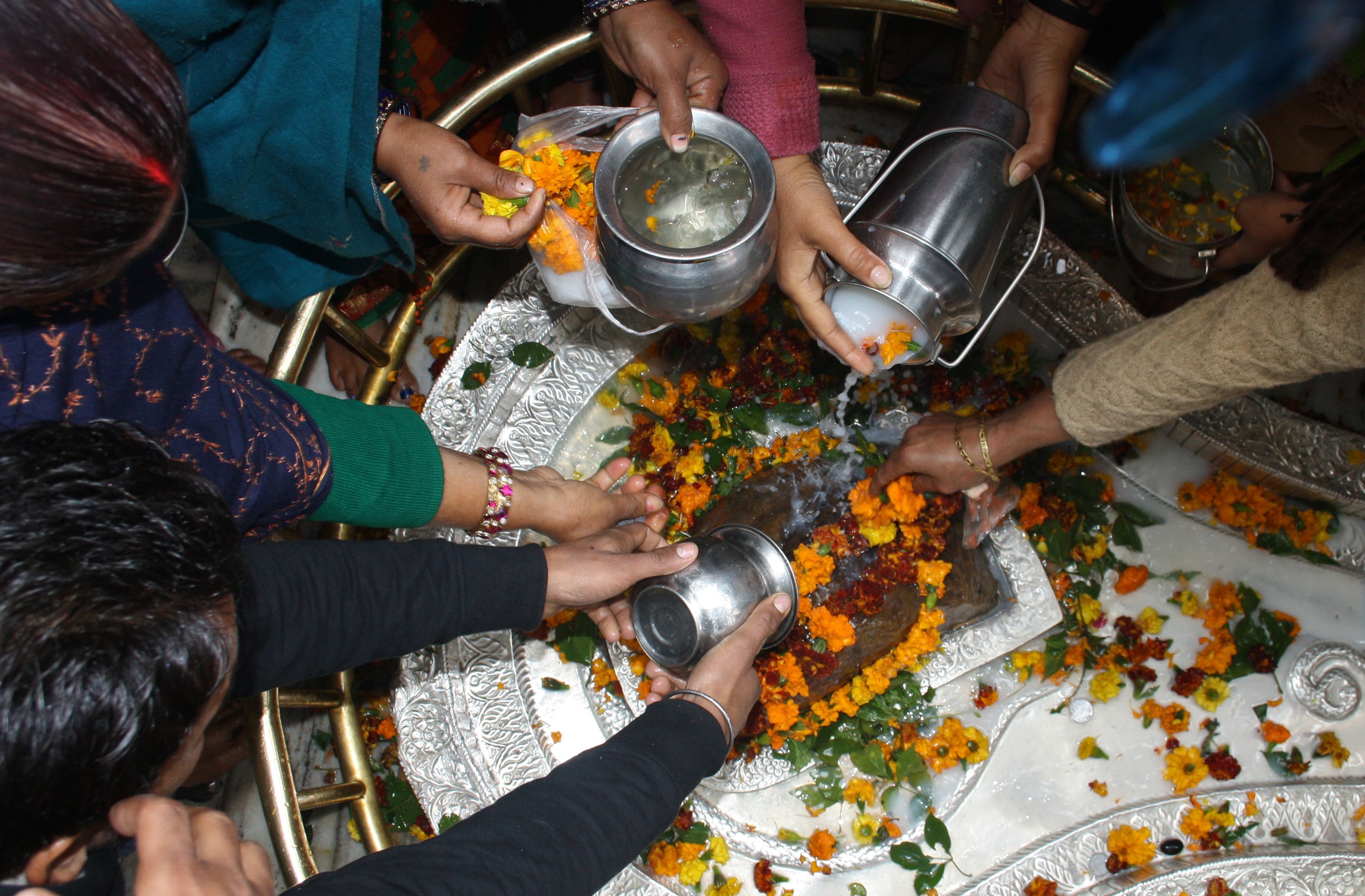
- A daily worship ritual performed at home or in temples.
- Involves offering flowers, food, and other items to deities, accompanied by prayers and hymns.
- Expresses devotion, seeks blessings, and creates a sacred space within the home.
Meditation
- A practice of focusing the mind on a single thought or object.
- Hindus practice various forms of meditation, such as Raja Yoga and Jnana Yoga.
- Promotes mental clarity, inner peace, and spiritual insight.
Yajna
- Also known as a “fire sacrifice,” Yajna is a ritual involving the offering of ghee, grains, and other items into a sacred fire.
- Symbolizes the purification of the mind and body and the offering of one’s actions to the divine.
- May be performed for various purposes, such as seeking blessings, expressing gratitude, or expiating sins.
Grand Celebrations
Hinduism is renowned for its elaborate festivals and ceremonies, which bring communities together and celebrate significant religious events.
Diwali
- The “Festival of Lights,” Diwali is one of the most important Hindu festivals.
- Celebrates the victory of good over evil and the return of Lord Rama to Ayodhya.
- Involves lighting lamps, fireworks, and feasts.
Holi
- The “Festival of Colors,” Holi is a riotous celebration of spring and fertility.
- People throw colored powder and water at each other, symbolizing the shedding of old habits and the embrace of new beginnings.
Navratri
- A nine-night festival honoring the goddess Durga.
- Devotees perform daily prayers, rituals, and fasting.
- The festival culminates in the victory of Durga over the buffalo demon Mahishasura, symbolizing the triumph of good over evil.
Ganesha Chaturthi
- The birthday of Lord Ganesha, the elephant-headed god of wisdom and prosperity.
- Hindus erect large statues of Ganesha and offer prayers, sweets, and other offerings.
Kumbh Mela
- A massive pilgrimage festival held every 12 years at four sacred river confluences.
- Millions of Hindus gather to bathe in the holy waters, considered to be purifying and auspicious.
- Symbolizes the search for liberation and the dissolution of the ego.
Conclusion
Rituals, both daily practices and grand celebrations, are essential to the fabric of Hinduism. They provide a means of expressing devotion, seeking blessings, and commemorating significant events. Through the performance of these rituals, Hindus connect with the divine, cultivate spiritual growth, and strengthen their bonds with their community. The rich tapestry of rituals in Hinduism reflects the depth and diversity of this ancient religion and its profound influence on the lives of its followers.
Relevant Keyword Tags:
- Hinduism
- Rituals
- Daily Practices
- Grand Celebrations
- Diwali
- Holi
- Navratri
- Ganesha Chaturthi
- Kumbh Mela