Dharma: Understanding the Moral Compass of Hinduism
Introduction

Dharma, a multifaceted concept, serves as the moral foundation and guiding principle in Hinduism. It encompasses a wide range of ethical values, duties, and obligations that shape the conduct and actions of individuals within society. This essay aims to explore the significance, dimensions, and practical implications of dharma in Hinduism.
Meaning and Origin of Dharma
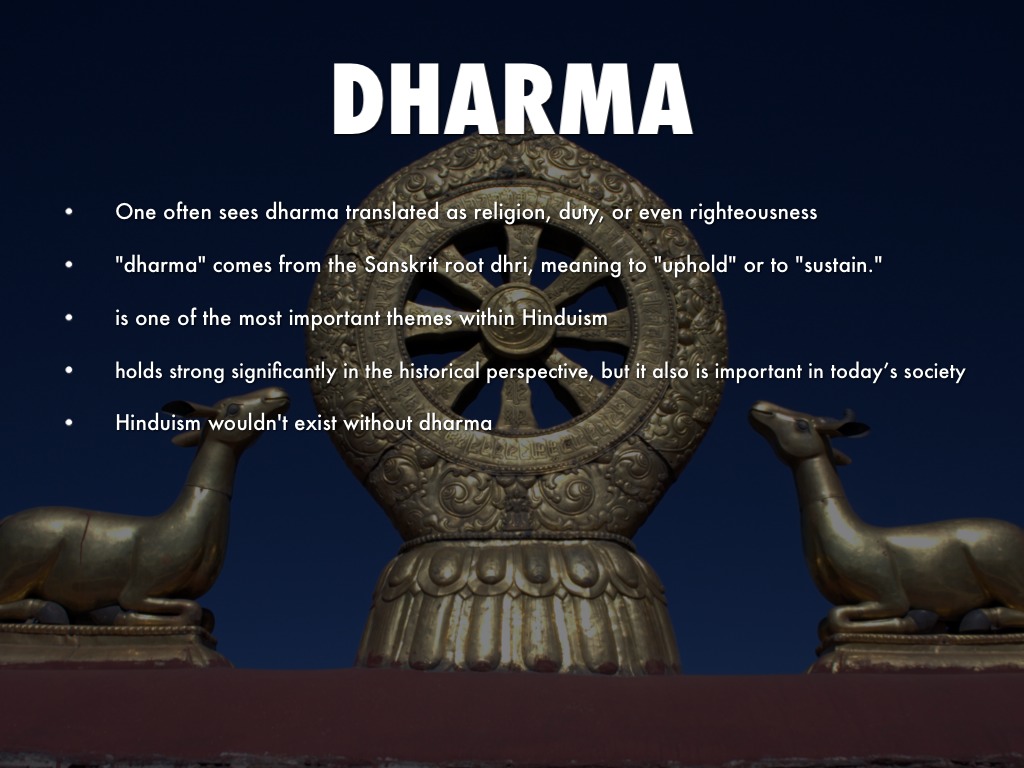
The Sanskrit term “dharma” can be interpreted in various ways, including “law,” “duty,” “righteousness,” and “morality.” Its origins can be traced back to the ancient Vedic texts, where it signified cosmic order and harmony. Over time, the concept of dharma evolved to encompass the ethical and social responsibilities of individuals within the Hindu society.
Dimensions of Dharma:
Dharma manifests in multiple dimensions, each providing guidance for different aspects of life:
- Svadharma: Refers to the specific duties and obligations of an individual based on their caste (varna), stage of life (ashrama), and personal circumstances.
- Rajadharma: The dharma of a ruler or authority figure, emphasizing justice, good governance, and the welfare of the people.
- Lokadharma: The dharma applicable to all members of society, regardless of their status or affiliation.
- Sanatana Dharma: The eternal and universal dharma, transcending time and place.
Ethical Principles of Dharma:
Dharma prescribes a set of ethical principles that guide the actions of individuals:
- Ahimsa: Non-violence and compassion towards all living beings.
- Satya: Truthfulness and integrity in words and deeds.
- Asteya: Non-stealing and respect for the property of others.
- Brahmacharya: Self-restraint and control of the senses.
- Aparigraha: Non-attachment and freedom from excessive desires.
Importance of Dharma in Society
Dharma plays a crucial role in maintaining social order and harmony in Hinduism. It provides a framework for:
- Ethical Behavior: Dharma guides individuals in their interactions with others, promoting cooperation, respect, and mutual understanding.
- Social Responsibility: It emphasizes the importance of fulfilling one’s duties towards family, community, and society as a whole.
- Spiritual Growth: Dharma fosters personal transformation and spiritual development by encouraging virtuous actions and ethical living.
Practical Implications of Dharma:
Dharma has practical implications for everyday life in Hinduism:
- Caste System: The caste system within Hinduism is based on the principle of svadharma, defining the specific roles and obligations of individuals according to their birth.
- Religious Rituals: Every stage of life and religious ceremony is associated with specific dharmic practices, including rituals, prayers, and offerings.
- Social Hierarchy: Dharma promotes a hierarchical society, with each individual having their assigned place and responsibilities.
Conclusion
Dharma is the moral compass that guides the conduct and actions of individuals in Hinduism. It encompasses a range of ethical values, duties, and obligations that shape social order, promote ethical behavior, and foster spiritual growth. By adhering to the principles of dharma, Hindus strive to live a virtuous and meaningful life, contributing to the harmony and well-being of both themselves and their community.## [Dharma: Understanding The Moral Compass Of Hinduism]
Executive Summary
Dharma is a Sanskrit word that refers to the moral and ethical principles and duties that guide the conduct of individuals and societies in Hinduism. It is a central concept in the religion, and is considered to be one of the four main goals of human life, along with artha (prosperity), kama (pleasure), and moksha (liberation).
Introduction
Dharma is a complex concept that has been interpreted in many different ways throughout the history of Hinduism. However, at its core, it refers to the idea of right action, or duty. Dharma is not simply about following a set of rules, but about living in a way that is in harmony with the natural order of the universe. It is about being true to oneself, and to one’s place in the world.
FAQs
- What is the difference between dharma and karma?
Karma is the law of cause and effect. It refers to the consequences of one’s actions, both in this life and in future lives. Dharma, on the other hand, is the moral and ethical principles that guide one’s conduct. - Is dharma the same for everyone?
No, dharma is not the same for everyone. It varies depending on one’s caste, gender, age, and stage of life. - What are the four main goals of human life?
The four main goals of human life are dharma (righteousness), artha (prosperity), kama (pleasure), and moksha (liberation).
Subtopics
The Nature of Dharma
Dharma is often described as a path, or a way of life. It is a path that leads to righteousness and liberation. Dharma is not a static concept, but rather a dynamic one that is constantly evolving. As one grows and changes, so too does one’s understanding of dharma.
- Dharma is based on the Vedas. The Vedas are the oldest and most sacred texts of Hinduism. They contain the teachings of the ancient sages, who were believed to be enlightened beings. The Vedas provide guidance on how to live a righteous life.
- Dharma is a duty. Dharma is not a choice. It is a duty that one must fulfill. This duty is not only to oneself, but to one’s family, one’s community, and the world at large.
- Dharma is a sacrifice. Living in accordance with dharma often requires sacrifice. One may have to give up personal desires in order to follow the path of righteousness. However, these sacrifices are ultimately rewarded with a sense of peace and fulfillment.
The Importance of Dharma
Dharma is essential for a healthy and prosperous society. It provides a moral and ethical framework for individuals and societies to live by. Dharma helps to create a sense of order and harmony in the world.
- Dharma promotes social justice. Dharma teaches that all people are平等的, and that everyone deserves to be treated with respect.
- Dharma promotes economic prosperity. Dharma encourages people to work hard and to be productive.
- Dharma promotes environmental sustainability. Dharma teaches that all living beings are interconnected, and that we must live in harmony with the natural world.
The Practice of Dharma
There are many different ways to practice dharma. Some people choose to follow a particular religious path, while others simply try to live their lives in accordance with the principles of dharma. No matter how one chooses to practice dharma, the goal is always the same: to live a life of righteousness and fulfillment.
- Sadhana is the practice of dharma. Sadhana refers to the daily practices that help one to grow spiritually and to live in accordance with dharma.
- Seva is selfless service. Seva is one of the most important ways to practice dharma. It involves helping others without expecting anything in return.
- Tapas is self-discipline. Tapas refers to the practice of self-discipline and self-control. It is essential for developing the qualities of character that are necessary for a righteous life.
The Fruits of Dharma
The fruits of dharma are many. Those who live in accordance with dharma experience a sense of peace, fulfillment, and liberation. They are also more likely to be successful in their personal and professional lives.
- Dharma leads to moksha. Moksha is the ultimate goal of human life. It is a state of liberation from the cycle of birth and death.
- Dharma leads to happiness. Those who live in accordance with dharma are more likely to be happy and contented.
- Dharma leads to success. Those who live in accordance with dharma are more likely to be successful in their personal and professional lives.
Conclusion
Dharma is a complex and multifaceted concept. However, at its core, it is about living a life of righteousness and fulfillment. Dharma is essential for a healthy and prosperous society. It provides a moral and ethical framework for individuals and societies to live by. Dharma helps to create a sense of order and harmony in the world. Those who live in accordance with dharma experience a sense of peace, fulfillment, and liberation.
Keyword Tags
- Dharma
- Hinduism
- Morality
- Ethics
- Duty