
The Spiritual Significance of Seva in Hindu Philosophy
Seva, a Sanskrit term meaning “selfless service,” holds profound spiritual significance within the Hindu philosophy. It is core to the Hindu concept of Dharma (righteous duty) and Karma (actions and their consequences).

Meaning and Purpose of Seva

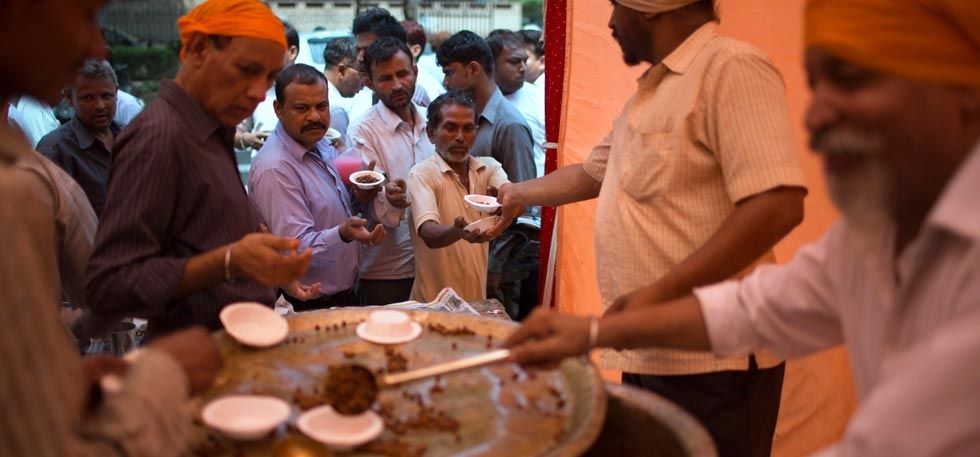
Seva is the act of serving others without any expectation of reward or recognition. It is not limited to charity or volunteerism but encompasses any act that benefits another being, including offering assistance, showing compassion, and engaging in acts of kindness.
The primary purpose of Seva is to purify the mind and heart of the individual performing it. By serving others, the ego dissolves, and the feeling of separateness diminishes. It promotes empathy, compassion, and a deep sense of interconnectedness with all living beings.
Types of Seva
Seva can be performed in various ways, including:
- Voluntarily offering assistance: Helping others in need, such as feeding the hungry, providing shelter to the homeless, or assisting the elderly.
- Religious rituals: Performing devotional services to deities or sacred objects, such as cleaning temples or offering prayers.
- Social responsibilities: Engaging in activities that benefit society, such as promoting education, healthcare, or environmental conservation.
- Selfless acts: Showing kindness and compassion to others, even in small ways, such as holding the door open or giving a listening ear.
Spiritual Benefits of Seva
Engaging in Seva brings numerous spiritual benefits, including:
- Purification of the mind and heart: By serving others, the mind becomes less selfish and more focused on the well-being of others.
- Dissolution of ego: The act of serving others helps break down the false sense of separation between the self and the world.
- Expansion of consciousness: Seva promotes a sense of unity and interconnectedness, leading to a deeper understanding of the shared human experience.
- Accumulation of merit: In the Hindu belief system, performing selfless acts generates positive karma (merit), which can balance negative actions and promote spiritual growth.
- Closer connection with the divine: Seva is seen as a way to honor and serve the divine within all beings. It fosters a sense of devotion and gratitude.
Conclusion
Seva is an integral part of Hindu philosophy and a means to achieve spiritual liberation. By engaging in selfless service, individuals purify their hearts, expand their consciousness, and connect more deeply with the divine. It is a transformative practice that fosters a sense of purpose, compassion, and ultimate fulfillment.## The Spiritual Significance of Seva in Hindu Philosophy
Executive Summary
Seva is a central concept in Hindu philosophy, referring to the act of selfless service performed without expectation of reward. This practice holds profound spiritual significance, enabling individuals to transcend their egos, cultivate compassion, and attain spiritual growth. Engaging in Seva promotes a sense of unity, harmony, and connection with the divine.
Introduction
Hinduism, an ancient and diverse religion, emphasizes the principle of Dharma, or righteous conduct. Among the various facets of Dharma, Seva stands as a cornerstone, profoundly impacting the spiritual journey of an individual. Seva transcends mere altruism, embodying a selfless and compassionate offering of service to others.
FAQs
1. What is the fundamental principle of Seva?
Seva is rooted in the belief that all beings are interconnected and worthy of compassion. By serving others, we not only assist them but also contribute to the greater good.
2. What are the spiritual benefits of Seva?
Seva cultivates humility, reduces egotism, and promotes a sense of connection with the divine. It fosters empathy, enhances emotional well-being, and brings inner peace.
3. How can Seva be practiced in daily life?
Seva can be incorporated into daily life through simple acts of kindness, such as assisting the elderly, volunteering for social causes, or offering emotional support to those in need.
Subtopics of Seva
Selfless Action
- Devotion to the Divine: Seva is seen as an offering to God, recognizing the presence of the divine in all beings.
- Absence of Desire: Seva is performed without any expectation of material gain or recognition, fostering detachment.
- Humility: By engaging in Seva, individuals acknowledge their limitations and the importance of serving others.
Compassion and Empathy
- Understanding the Suffering of Others: Seva requires empathy towards those in need, recognizing their pain and striving to alleviate it.
- Active Expression of Love: Compassion is not limited to sympathy but translates into tangible acts of service, demonstrating genuine care.
- Unconditional Acceptance: Seva extends to all beings, regardless of their background or circumstances, embodying unconditional love.
Unity and Harmony
- Service as a Bridge: Seva fosters a sense of connectedness, bridging the gap between individuals and dissolving social barriers.
- Universal Brotherhood: Seva promotes the idea that all humanity is part of a larger family, united by common struggles and aspirations.
- Harmony with Nature: Seva extends beyond human beings, encompassing reverence for the natural world and all living creatures.
Spiritual Growth and Liberation
- Transcending Ego: Seva helps individuals overcome the limitations of their ego, allowing them to connect with their true spiritual self.
- Accumulation of Good Karma: Performing Seva accumulates positive karma, leading to spiritual progress and the eventual attainment of Moksha (liberation).
- Expansion of Consciousness: Seva broadens one’s perspective, promoting a deeper understanding of oneself, the world, and the divine.
Divine Incarnation
- Serving as God’s Instrument: Seva is considered a sacred act, aligning oneself with the divine and becoming a vessel for God’s grace.
- Living the Ideal of Bhakti: Seva is a manifestation of Bhakti (devotion), embodying the love and surrender to the divine.
- Union with the Divine: Through selfless service, individuals experience a profound connection with the divine, leading to spiritual realization.
Conclusion
Seva is a transformative practice deeply embedded in Hindu philosophy, offering a pathway to spiritual evolution. By embracing the principles of selfless action, compassion, and unity, individuals can cultivate a divine connection, transcend their egos, and attain inner peace. Engaging in Seva not only benefits those served but also empowers the giver, fostering a sense of fulfillment, purpose, and ultimately leading to spiritual liberation.
Keyword Tags
- Seva
- Hindu Philosophy
- Selfless Service
- Spiritual Significance
- Compassion