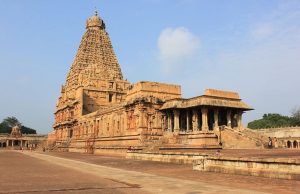

Beyond Rituals: The Enduring Significance of Pilgrimage in Modern Hinduism
Introduction
Pilgrimage, an age-old spiritual practice, holds immense significance within Hinduism. It transcends mere rituals to embody a transformative journey, influencing the lives of countless devotees. This essay delves into the enduring importance of pilgrimage in modern Hinduism, exploring its multifaceted dimensions that extend beyond the physical act of visiting holy sites.
Spiritual Renewal and Purification
Pilgrimage serves as a potent means of spiritual renewal and purification. By embarking on a pilgrimage, devotees seek to shed worldly attachments and align themselves with the divine. The arduous journey, exposure to sacred spaces, and encounters with holy figures facilitate a profound cleansing of the soul, leaving pilgrims rejuvenated and spiritually transformed.
Reinforcement of Religious Identity
Pilgrimage plays a crucial role in reinforcing and revitalizing religious identity. By participating in collective rituals, immersing themselves in religious discourses, and witnessing the shared devotion of others, pilgrims reaffirm their connection to the Hindu faith. These experiences strengthen their sense of belonging and deepen their understanding of its traditions.
Social and Cultural Interactions
Pilgrimages foster vibrant social and cultural interactions. They bring together individuals from diverse backgrounds, creating a sense of community and solidarity. The shared experiences of travel, lodging, and ritual practices encourage the exchange of ideas, knowledge, and cultural practices, contributing to the enrichment of both individual and collective identities.
Escapism and Seeking Solace
In an increasingly complex and demanding world, pilgrimage offers an escape from the mundane and an opportunity to seek solace. Devotees often undertake pilgrimages during times of crisis, seeking divine intervention, guidance, and comfort. The sacred spaces and rituals provide a sanctuary for reflection, healing, and renewal.
Economic and Development Impacts
Pilgrimage has a significant economic impact on regions hosting holy sites. The influx of pilgrims generates employment opportunities, supports local businesses, and contributes to infrastructure development. Moreover, the preservation and restoration of pilgrimage sites often attract cultural tourism and promote heritage conservation.
Environmental Sensitivity
Modern Hinduism recognizes the imperative of environmental sensitivity. Many pilgrimage sites are located in ecologically fragile areas. Pilgrims are increasingly encouraged to adopt responsible practices, minimize waste, and respect the natural surroundings. Pilgrimage can thus promote stewardship of the environment, fostering a harmonious relationship between spirituality and ecology.
Inclusive and Accessible
Contemporary pilgrimage practices are becoming more inclusive and accessible. Innovations such as virtual pilgrimages, online darshan, and accommodations for pilgrims with disabilities ensure that individuals from all walks of life can participate in this transformative experience.
Conclusion
Pilgrimage in modern Hinduism remains an enduringly significant practice, extending far beyond the performance of rituals. It facilitates spiritual renewal, reinforces religious identity, fosters social interactions, offers solace in times of need, and has positive economic and environmental implications. As the world continues to evolve, pilgrimage will likely adapt and evolve to meet the changing needs and aspirations of devotees, ensuring its enduring relevance in the lives of Hindus for generations to come.## Beyond Rituals: The Enduring Significance Of Pilgrimage In Modern Hinduism
Executive Summary
Pilgrimage holds a profound place in Hinduism as an enduring spiritual practice that transcends mere rituals. It embodies a multifaceted journey of inner transformation, cultural exchange, and social cohesion. This article delves into the enduring significance of pilgrimage in modern Hinduism, exploring its key subtopics, benefits, and transformative potential.
Introduction
Pilgrimage, an integral part of Hindu tradition, has evolved over centuries, adapting to changing societal and religious contexts. In contemporary times, pilgrimage continues to thrive as a vibrant practice, offering pilgrims a transformative journey that nourishes their faith and connects them with the divine.
FAQs
-
What is the significance of pilgrimage in Hinduism?
-
Pilgrimage empowers devotees to transcend their daily lives, connect with the sacred, and embark on a spiritual journey towards self-discovery and liberation.
-
How does pilgrimage differ from tourism?
-
Pilgrimage is not merely a form of religious tourism; it is a deeply personal and transformative experience that involves rigorous rituals, arduous travel, and a profound connection with the divine.
-
Is pilgrimage still relevant in modern society?
-
Pilgrimage remains highly relevant in modern society, offering individuals a respite from the complexities of life, fostering a sense of community, and providing opportunities for spiritual renewal.
Subtopics
- Religious Significance
- Pilgrimage as Ritual
- Social Cohesion
- Economic Impact
- Cultural Exchange
Religious Significance
Pilgrimage is anchored in the fundamental belief that visiting sacred sites can bestow spiritual merit and facilitate a deeper connection with the divine. Hindus believe that pilgrimage purifies sins, appeases deities, and offers opportunities for spiritual enlightenment.
- Sacred Geography: Pilgrimage sites are often linked to specific deities or mythical events, making them imbued with religious significance.
- Devotional Practices: Pilgrims engage in various devotional practices during pilgrimage, such as offering prayers, performing rituals, and taking holy baths.
- Spiritual Transformation: The pilgrimage journey is believed to lead to a profound inner transformation, fostering a sense of detachment and a closer connection with the divine.
Pilgrimage as Ritual
Pilgrimage is an elaborate ritual that involves specific observances and customs. Adhering to these rituals is considered essential for a successful pilgrimage.
- Purification: Pilgrims often undergo purification rituals before embarking on a pilgrimage, such as fasting, bathing in holy rivers, and observing celibacy.
- Asceticism: Pilgrimage involves elements of asceticism, with pilgrims enduring physical discomfort, sleeping on the ground, and eating simple food.
- Holy Baths: Taking a holy bath in rivers or sacred pools is an important ritual during pilgrimage, believed to cleanse sins and bestow spiritual benefits.
Social Cohesion
Pilgrimage fosters a sense of community and social cohesion among pilgrims. It brings together people from diverse backgrounds, creating a shared experience and strengthening social bonds.
- Collective Rituals: Pilgrims participate in collective rituals, such as mass prayers, processions, and community meals, which foster a sense of unity.
- Social Networking: Pilgrimage provides a platform for social networking, allowing pilgrims to connect with like-minded individuals and build new relationships.
- Community Support: Pilgrimage sites often have dedicated facilities and support systems to assist pilgrims, demonstrating the importance of community involvement.
Economic Impact
Pilgrimage has a significant economic impact on the regions surrounding sacred sites. The influx of pilgrims generates revenue for local businesses and supports infrastructure development.
- Tourism Industry: Pilgrimage attracts a large number of tourists, providing employment opportunities in the hospitality, transportation, and retail sectors.
- Infrastructure Development: Pilgrimage sites often witness improvements in infrastructure, such as roads, railways, and accommodation, to cater to the needs of pilgrims.
- Local Economy: The presence of pilgrims stimulates local businesses, including shops, restaurants, and handicraft industries, contributing to the economic growth of the region.
Cultural Exchange
Pilgrimage facilitates cultural exchange between different regions and communities. Pilgrims bring their own cultural practices and traditions to the pilgrimage site, enriching the local culture.
- Cultural Immersion: Pilgrims experience the local culture through interactions with the community, exposure to traditional arts, and participation in festivities.
- Shared Beliefs: Despite cultural differences, pilgrims share a common belief in the sanctity of the pilgrimage site, fostering a sense of unity and mutual respect.
- Cross-Cultural Learning: Pilgrimage provides opportunities for pilgrims to learn about and appreciate the cultural diversity of India, promoting tolerance and understanding.
Conclusion
Pilgrimage continues to hold immense significance in modern Hinduism, providing a transformative journey that encompasses spiritual growth, social cohesion, economic benefits, and cultural exchange. Whether undertaken for religious devotion, personal exploration, or a combination of reasons, pilgrimage remains a vibrant and enduring practice that enriches the lives of millions of Hindu pilgrims.
Keyword Tags
- Hinduism
- Pilgrimage
- Rituals
- Spiritual Transformation
- Cultural Exchange