Folklore & Faith: How Local Traditions Blend With Hinduism In Different Regions
Hinduism, one of the world’s oldest and most diverse religions, has a rich tapestry of beliefs and practices that have evolved over centuries. While its core tenets remain largely constant, Hinduism has also absorbed and assimilated elements of local folklore and traditions, resulting in a vibrant and regionally diverse religious landscape.
North India
In the northern regions of India, Hinduism is deeply intertwined with the local folklore of the Aryan civilization. The Vedas, the ancient Hindu scriptures, contain references to numerous deities who are believed to have been worshipped by the Aryans. Over time, these deities were incorporated into the Hindu pantheon, and their worship continues to be an important part of Hinduism in North India today.
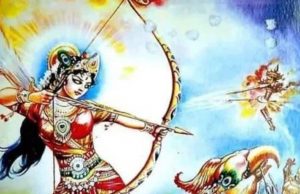
One of the most notable examples of this blending is the worship of Devi, the Great Goddess. Devi is a powerful and multifaceted deity who represents the feminine principle in Hinduism. She is worshipped in many forms, including Durga, Kali, and Lakshmi. In North India, the worship of Devi is particularly prevalent in the form of Durga, who is revered as the fierce protector of good and the destroyer of evil.
South India
In South India, Hinduism has been influenced by the Dravidian civilization. The Dravidians were a non-Aryan people who inhabited South India before the arrival of the Aryans. Their culture and beliefs have left a significant impact on Hinduism in the region.
One of the most distinctive features of South Indian Hinduism is the worship of Lord Shiva. Shiva is one of the three main deities in Hinduism, and he is particularly revered in South India. He is often depicted as a fierce and powerful deity, but he is also known for his compassion and love. In South India, Shiva is worshipped in many forms, including Nataraja, the Lord of Dance, and Linga, the symbol of his generative power.
East India
In East India, Hinduism has been influenced by the Buddhist and Jain traditions. Buddhism originated in India in the 6th century BCE, and it spread throughout East India. Over time, Buddhism and Hinduism began to influence each other, and many Buddhist beliefs and practices were adopted into Hinduism.
One of the most notable examples of this blending is the worship of Lord Vishnu. Vishnu is one of the three main deities in Hinduism, and he is particularly revered in East India. He is often depicted as a benevolent and compassionate deity, and he is known for his role as the preserver of the universe. In East India, Vishnu is worshipped in many forms, including Rama, Krishna, and Jagannatha.
West India
In West India, Hinduism has been influenced by the Persian and Islamic traditions. The Persians ruled over West India for several centuries, and their culture and beliefs had a significant impact on Hinduism in the region. Later, Islam also spread to West India, and it further influenced the development of Hinduism in the region.
One of the most distinctive features of Western Indian Hinduism is the worship of Lord Ganesha. Ganesha is a popular Hindu deity who is known for his elephant head. He is revered as the remover of obstacles, and he is often invoked at the beginning of any new endeavor. In Western India, Ganesha is worshipped in many forms, including Siddhivinayaka, the giver of success, and Vighnaharta, the destroyer of obstacles.
Conclusion
Hinduism is a vibrant and diverse religion that has been shaped by centuries of cultural exchange and assimilation. The local folklore and traditions of different regions of India have played a significant role in the development of Hinduism, and they continue to be an important part of the religious landscape of the country today. The blending of local traditions with Hinduism has resulted in a rich and diverse tapestry of beliefs and practices that is unique to each region of India.## Folklore & Faith: How Local Traditions Blend With Hinduism In Different Regions
Executive Summary
This article explores the fascinating interplay between Hindu beliefs and local folklore in various regions of the Indian subcontinent. By examining five distinct subtopics – Deification of Local Deities, Integration of Regional Customs, Influence on Rituals and Ceremonies, Syncretic Practices, and Preservation of Cultural Heritage – we delve into how Hinduism has absorbed and adapted local traditions, giving rise to a rich and diverse religious landscape. This intricate blend of folklore and faith has shaped the socio-cultural fabric of India, fostering a vibrant and inclusive spiritual tapestry.
Introduction
Hinduism, with its vast pantheon of gods and goddesses, has always been receptive to local beliefs and traditions. As it spread across the Indian subcontinent, it encountered diverse cultures and ways of life, leading to a fascinating amalgamation of beliefs and practices. Local deities were incorporated into the Hindu fold, regional customs were assimilated into religious rituals, and folklore became intertwined with sacred narratives. This article sheds light on this captivating fusion of folklore and faith, highlighting how it has enriched the religious landscape of India.
FAQs
-
How did local traditions influence the development of Hinduism?
- Hinduism’s open and adaptable nature allowed it to absorb and assimilate local beliefs and practices, leading to the incorporation of regional deities, customs, and folklore into its fold.
-
What are the benefits of blending folklore and faith?
- This fusion fosters a sense of cultural belonging and identity, strengthens community bonds, and preserves the unique heritage of different regions.
-
How does this blend impact the religious practices of Hindus?
- It leads to regional variations in rituals and ceremonies, incorporating local customs and traditions into the worship of Hindu deities, enriching the religious experience.
Subtopics
Deification of Local Deities
Hinduism has a long history of incorporating local deities into its pantheon. These deities, often associated with specific regions or communities, are revered alongside the major Hindu gods and goddesses.
- Examples: The worship of Aiyyappa in Kerala, Khandoba in Maharashtra, and Jagannath in Odisha.
- Cultural Significance: This deification reflects the significance of local beliefs and reinforces the connection between Hinduism and regional cultures.
Integration of Regional Customs
Hindu rituals and ceremonies have absorbed regional customs, creating a unique blend of religious and cultural practices.
- Examples: The use of local musical instruments in temple rituals, the incorporation of regional languages in religious texts, and the observance of specific festivals associated with particular regions.
- Social Impact: This integration fosters a sense of local ownership and strengthens community bonds.
Influence on Rituals and Ceremonies
Regional folklore has influenced the specific rituals and ceremonies performed in different parts of India.
- Examples: The “Ganga Snan” ritual in Varanasi, the “Rath Yatra” festival in Puri, and the “Pongal” harvest festival in Tamil Nadu.
- Spiritual Significance: These rituals connect Hindus to their local heritage and provide a sense of cultural continuity.
Syncretic Practices
In some cases, local folklore has blended with Hindu beliefs to create syncretic practices. These practices combine elements of both traditions, creating new and unique religious expressions.
- Examples: The worship of “Santoshi Mata” in North India, which combines Hindu and Sufi beliefs, and the “Naga Panchami” festival in Maharashtra, which combines Hindu snake worship with local folklore.
- Cultural Exchange: Syncretism promotes cultural exchange and fosters interfaith harmony.
Preservation of Cultural Heritage
The blending of folklore and faith has helped preserve the cultural heritage of different regions of India.
- Examples: The traditional folk tales, songs, and dances associated with Hindu festivals and rituals.
- Historical Significance: These traditions provide a window into the past and connect contemporary Hindus to their ancestors.
Conclusion
The fusion of folklore and faith in Hinduism is a testament to the vibrant and inclusive nature of this ancient religion. By embracing local traditions, Hinduism has become an integral part of the cultural landscape of India, fostering a sense of identity, strengthening community bonds, and preserving the rich heritage of diverse regions. This intricate tapestry of beliefs and practices continues to shape the religious experience of millions of Hindus, creating a unique and dynamic spiritual landscape.
Keyword Tags
- Hinduism
- Folklore
- Cultural Heritage
- Syncretism
- Religious Diversity