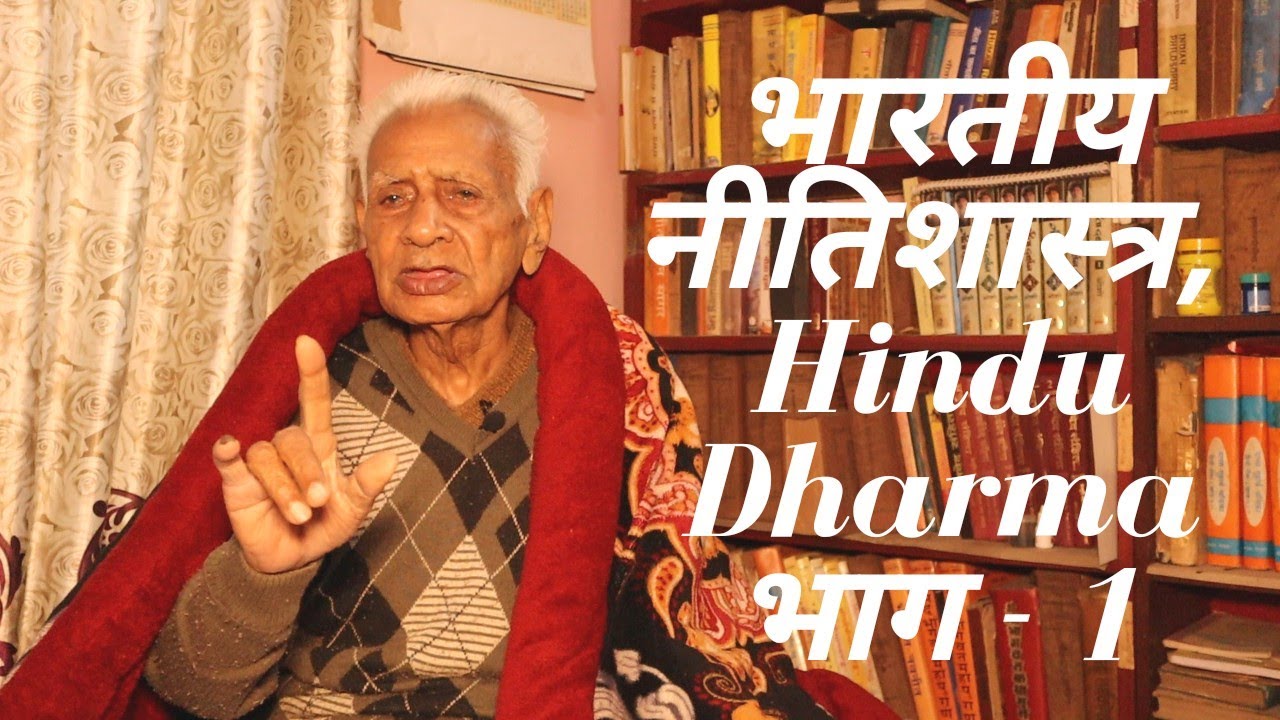
The Impact of Dharma on Hindu Ethics and Morality
Introduction
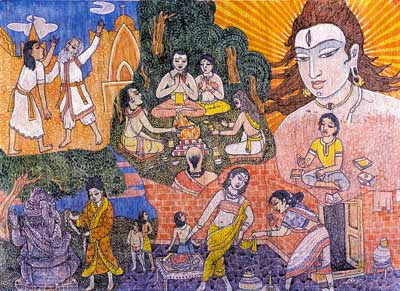
Dharma is a central concept in Hinduism that encompasses ethical principles, moral obligations, and righteous conduct. It is the foundation of Hindu ethics and morality, providing a framework for individuals to navigate their actions and interactions with others.
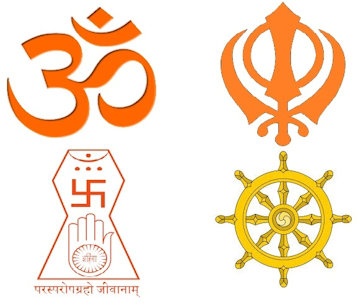
Meaning of Dharma
Dharma is often translated as “duty” or “righteousness.” It encompasses a wide range of obligations and responsibilities that individuals must fulfill according to their station in life, their social caste, and their stage of life. It is believed that by adhering to dharma, individuals can attain spiritual purification and liberation.
Sources of Dharma
The primary sources of dharma in Hinduism are the Vedas, the ancient scriptures that contain the divine revelations of the rishis (sages). Other sources include the Upanishads, the Bhagavad Gita, the Ramayana, and the Mahabharata. These texts provide guidance on various aspects of dharma, including:
- Individual duties: Such as honesty, compassion, and self-control.
- Social obligations: Such as respecting elders, supporting the community, and performing rituals.
- Ethical principles: Such as ahimsa (non-violence), satya (truthfulness), and aparigraha (non-possessiveness).
Impact on Hindu Ethics and Morality
Dharma has a profound impact on Hindu ethics and morality. It:
- Provides a code of conduct: Dharma lays out specific guidelines for individuals to follow in their personal and social lives. It helps them distinguish between right and wrong and guides them towards virtuous actions.
- Promotes social harmony: By emphasizing the importance of fulfilling social obligations, dharma ensures that individuals contribute to the well-being of the community. It fosters cooperation, respect, and unity.
- Encourages spiritual purification: Dharma is believed to lead to spiritual purification and ultimately liberation from the cycle of birth and death (samsara). Individuals who adhere to dharma are said to accumulate punya (good karma) which can hasten their spiritual progress.
- Provides a basis for self-reflection: Dharma encourages individuals to reflect on their actions and motivations. By examining their conduct in light of dharma, they can identify areas for improvement and strive to become more ethical and righteous.
Conclusion
Dharma is a fundamental concept in Hinduism that shapes the ethical and moral framework of its adherents. It provides a clear code of conduct, promotes social harmony, encourages spiritual purification, and facilitates self-reflection. By following the principles of dharma, Hindus strive to lead virtuous lives, contribute positively to society, and ultimately achieve spiritual liberation.## The Impact Of Dharma On Hindu Ethics And Morality
Executive Summary
Dharma refers to the moral laws and ethical principles that guide righteous conduct in Hinduism. It originates from the Sanskrit word “dhri” which means “to hold” or “to maintain.” This concept underpins the entire Hindu ethical system and serves as the foundation for understanding right and wrong in the religion. Dharma is a complex and multifaceted concept that encompasses both spiritual and social duties, and it plays a crucial role in shaping the ethical conduct of Hindus.
Introduction
Hinduism is one of the oldest and most diverse religions in the world, with a rich ethical tradition that has been shaped by centuries of philosophical and spiritual thought. Central to this tradition is the concept of Dharma, which refers to the moral laws and ethical principles that guide righteous conduct. Dharma is not merely a set of rules or commandments, but rather a dynamic and evolving body of principles that aims to lead individuals towards a life of virtue and purpose.
FAQs
- What is the significance of Dharma in Hinduism?
Dharma is the foundational principle of Hindu ethics and morality, providing guidance for righteous conduct and a fulfilling life. - How does Dharma differ from other moral systems?
Dharma emphasizes the fulfillment of one’s duties and responsibilities within the social and cosmic order, rather than focusing solely on individual rights or consequences. - What are the key components of Dharma?
Dharma encompasses spiritual duties (Svadharma), social duties (Samajik Dharma), and universal duties (Sadharana Dharma).
Subtopics
1. Spiritual Duties (Svadharma)
- Involves fulfilling one’s duties to oneself, including self-realization and spiritual development.
- Includes practices such as meditation, yoga, and study of scriptures.
- Aims to cultivate virtues such as honesty, compassion, and selflessness.
2. Social Duties (Samajik Dharma)
- Refers to the responsibilities one has towards family, community, and society.
- Includes fulfilling one’s roles as a child, parent, spouse, and citizen.
- Promotes values such as respect, cooperation, and social harmony.
3. Universal Duties (Sadharana Dharma)
- Encompasses the ethical principles that apply to all human beings, regardless of their social or religious affiliation.
- Includes injunctions against violence, stealing, lying, and exploitation.
- Promotes universal values such as truthfulness, non-violence, and compassion.
4. Dharma and Karma
- Dharma is closely related to the concept of karma, which refers to the law of cause and effect.
- Actions performed in accordance with Dharma create positive karma, while actions that violate Dharma create negative karma.
- The accumulation of karma influences one’s future experiences and the cycle of rebirth.
5. Dharma and Moksha
- Dharma is essential for achieving Moksha, which is the ultimate goal of Hinduism.
- Moksha refers to liberation from the cycle of birth and death, and it is attained through the fulfillment of one’s Dharma and the cultivation of spiritual knowledge.
Conclusion
The concept of Dharma is central to Hindu ethics and morality, providing a framework for righteous conduct and a fulfilling life. It encompasses spiritual, social, and universal duties, and its observance leads to the accumulation of positive karma and the ultimate goal of Moksha. By adhering to the principles of Dharma, Hindus strive to live a life of virtue, harmony, and purpose, both individually and collectively.
Relevant Keyword Tags
- Hindu ethics
- Dharma
- Hindu morality
- Svadharma
- Moksha