
Modern Mantras: Hinduism Adapts to a Changing World
Hinduism, one of the world’s oldest religions, is constantly evolving to meet the needs of its followers in a changing world. In recent years, there has been a growing trend towards the use of modern mantras in Hinduism. These mantras are often adapted from traditional Hindu texts, but they are updated to reflect the challenges and opportunities of the 21st century.

What is a mantra?
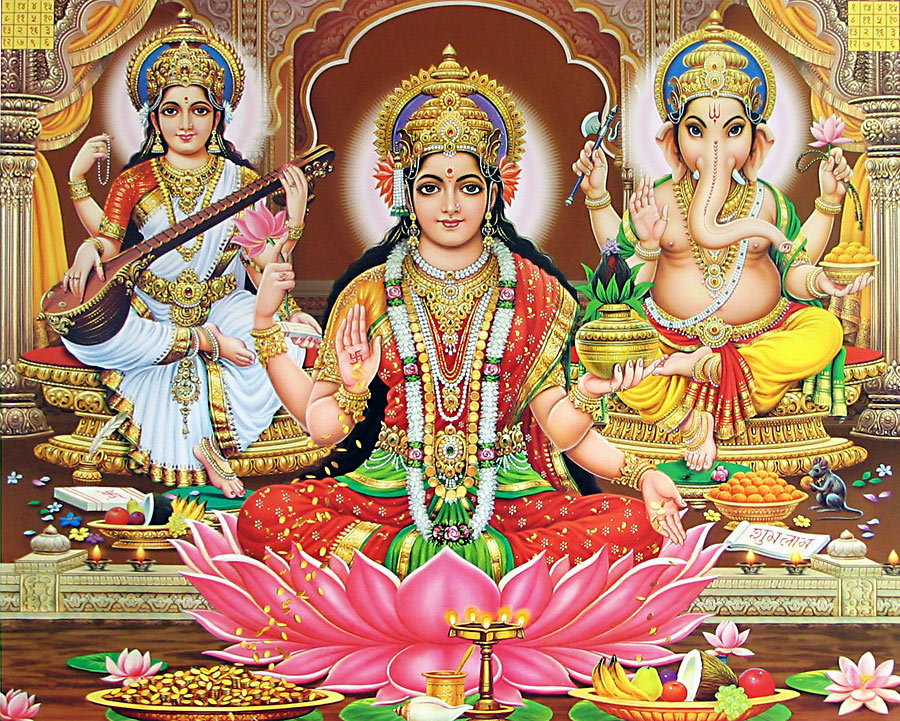
A mantra is a sacred word or phrase that is repeated over and over again. Mantras are used in Hinduism for a variety of purposes, including meditation, prayer, and healing. They are believed to have the power to transform the mind and body, and to connect the individual with the divine.
Traditional Hindu mantras
Traditional Hindu mantras are typically in Sanskrit, the ancient language of India. They are often very complex, and their meanings are often obscure. However, even though many modern Hindus do not understand the meaning of the traditional mantras, they still find them to be powerful and effective.
Modern Hindu mantras
Modern Hindu mantras are often adapted from traditional mantras, but they are updated to reflect the challenges and opportunities of the 21st century. They are often in English or other modern languages, and they deal with contemporary issues such as stress, anxiety, and relationships.
The benefits of modern mantras
Modern mantras can provide a number of benefits, including:
- Stress reduction: Mantras can help to reduce stress and anxiety by calming the mind and body.
- Improved focus: Mantras can help to improve focus and concentration, which can be beneficial for students, workers, and anyone else who needs to stay focused on a task.
- Increased self-awareness: Mantras can help to increase self-awareness by allowing the individual to focus on their inner thoughts and feelings.
- Spiritual growth: Mantras can help to promote spiritual growth by connecting the individual with the divine.
How to use modern mantras
Modern mantras can be used in a variety of ways. They can be repeated aloud, silently, or even sung. They can be used during meditation, prayer, or simply as a way to relax and de-stress.
If you are new to modern mantras, you may want to start by experimenting with a few different mantras to see which ones resonate with you. Once you have found a few mantras that you like, you can begin to incorporate them into your daily routine.
Conclusion
Modern mantras are a powerful tool that can help Hindus to adapt to the challenges and opportunities of the 21st century. They can provide a number of benefits, including stress reduction, improved focus, increased self-awareness, and spiritual growth. If you are looking for a way to improve your life, modern mantras may be a good option for you.## Modern Mantras: How Hinduism Adapts To A Changing World
Executive Summary
Hinduism is the world’s oldest major religion, with a history dating back over 4,000 years. Over the centuries, it has evolved and adapted to changing circumstances, and today it continues to be a vibrant and dynamic faith. This article explores some of the ways in which Hinduism is adapting to the modern world.
Introduction
Hinduism is a diverse religion with a wide range of beliefs and practices. However, at its core, Hinduism is based on the belief in the unity of all things. This belief is expressed in the concept of Brahman, the ultimate reality from which all things come and to which all things return.
FAQs
Q: What are the key beliefs of Hinduism?
A: The key beliefs of Hinduism include the belief in reincarnation, karma, and Dharma (righteousness). Hindus also believe in a pantheon of gods and goddesses, who represent different aspects of the divine.
Q: How has Hinduism changed over time?
A: Hinduism has changed over time in many ways. For example, the role of women in society has changed, and the religion has become more accepting of other faiths.
Q: What are the challenges facing Hinduism today?
A: Hinduism faces a number of challenges today, including the rise of secularism, the influence of Western culture, and the growth of religious extremism.
Subtopics
1. The changing role of women
In the past, women in Hinduism were often confined to the home. However, today, women are playing a more active role in society. They are working outside the home, getting an education, and holding positions of leadership. This change is reflected in the increasing number of female religious teachers and leaders.
- Women are playing a more active role in religious ceremonies.
- Women are becoming more educated about Hinduism.
- Women are taking on leadership roles within the Hindu community.
2. The influence of Western culture
The influence of Western culture on Hinduism is evident in a number of areas. For example, many Hindus now dress in Western clothing, eat Western food, and listen to Western music. This influence is also reflected in the way that some Hindus practice their religion. For example, some Hindus now use Western meditation techniques and yoga practices.
- Western culture is influencing the way Hindus dress.
- Western culture is influencing the way Hindus eat.
- Western culture is influencing the way Hindus practice their religion.
3. The growth of religious extremism
The growth of religious extremism is a challenge facing Hinduism today. Some Hindu extremists have been involved in violence against other religious groups. This violence has damaged the reputation of Hinduism and made it difficult for Hindus to live peacefully with other communities.
- Religious extremism is a threat to Hinduism.
- Religious extremism has led to violence against other religious groups.
- Religious extremism has damaged the reputation of Hinduism.
4. The rise of secularism
The rise of secularism is another challenge facing Hinduism today. Secularism is the belief that religion should not play a role in public life. This belief is increasingly popular in many countries, including India. As a result, Hindus are facing pressure to keep their religion out of the public sphere.
- Secularism is a threat to Hinduism.
- Secularism is leading to the decline of Hinduism in some countries.
- Secularism is making it difficult for Hindus to practice their religion freely.
5. The changing environment
The changing environment is also a challenge facing Hinduism today. Hindus believe that the natural world is sacred. However, human activity is damaging the environment, and this is having a negative impact on Hinduism. For example, pollution is making it difficult for Hindus to worship in their temples.
- The changing environment is a threat to Hinduism.
- Human activity is damaging the environment.
- The changing environment is making it difficult for Hindus to practice their religion.
Conclusion
Hinduism is a dynamic and evolving religion that is constantly adapting to changing circumstances. The challenges facing Hinduism today are significant, but the religion is also resilient. It is likely that Hinduism will continue to adapt and evolve in the years to come, and it will continue to be a source of meaning and purpose for millions of people around the world.
Keyword Tags
- Hinduism
- Modernization
- Adaptation
- Challenges
- Change