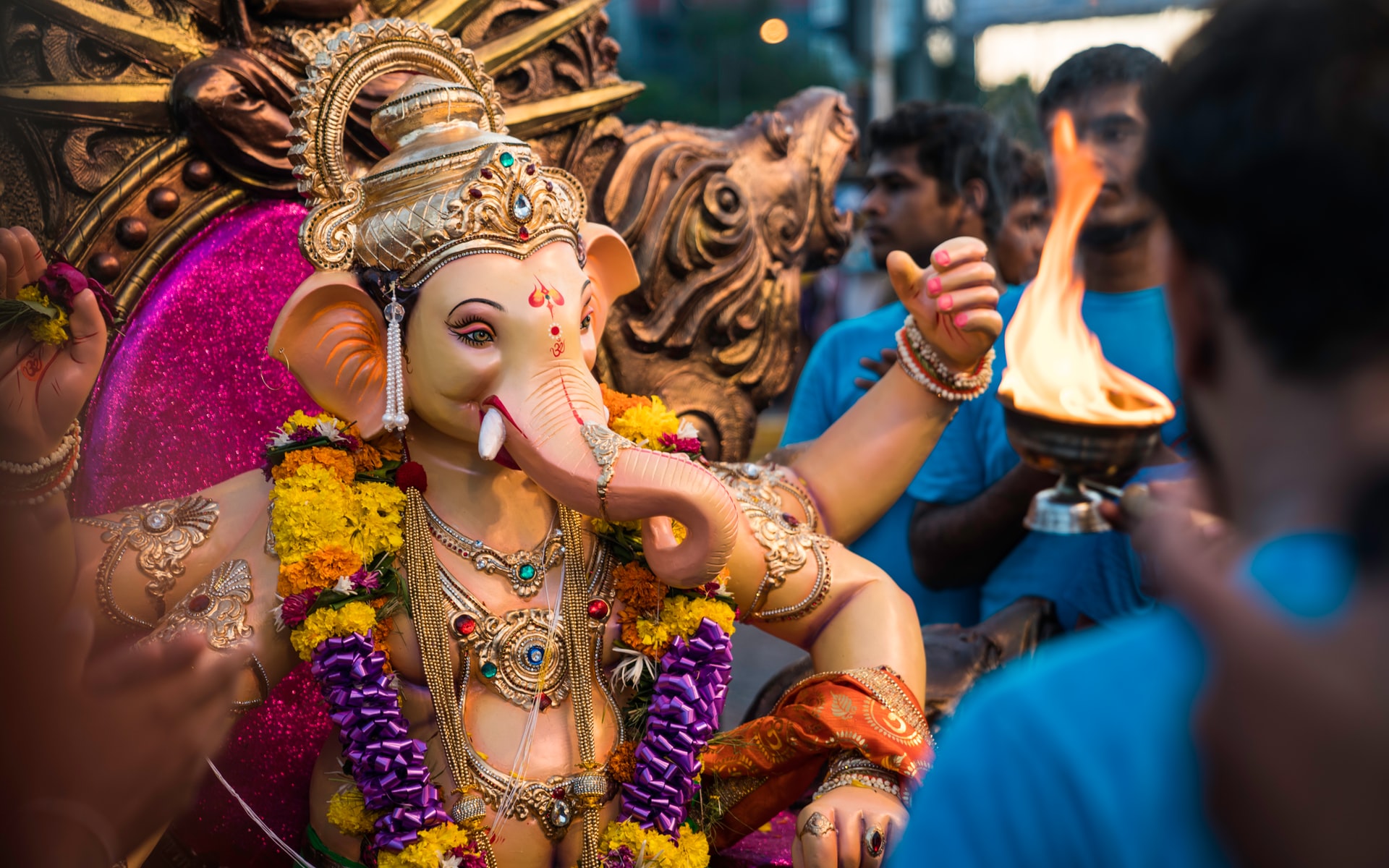
Everyday Practices to Grand Celebrations: A Look at the Rich Ritual Landscape of Hinduism
Hinduism stands as one of the oldest and most diverse religions in the world, boasting a complex tapestry of rituals that weave through every aspect of life. These observances, steeped in ancient traditions and profound beliefs, play a significant role in shaping the spiritual and social fabric of Hindu society.
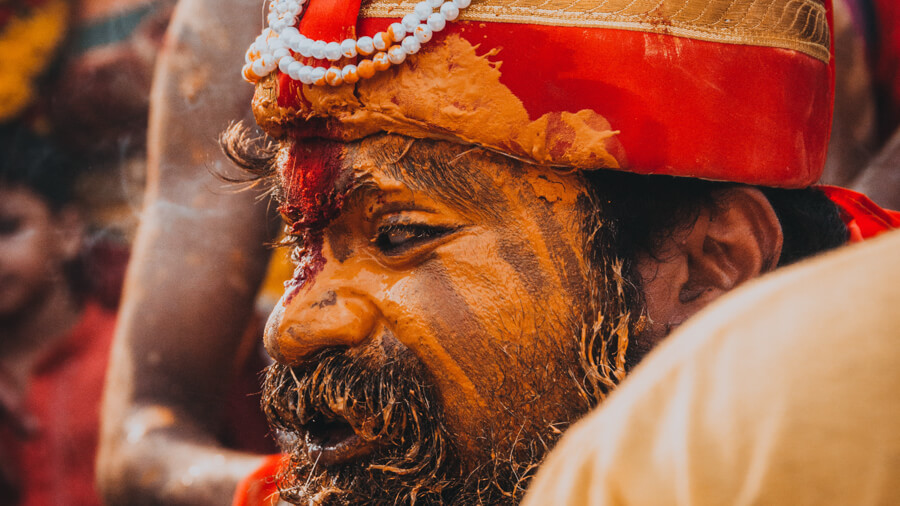
Everyday Practices: Nourishing the Sacred throughout Daily Life
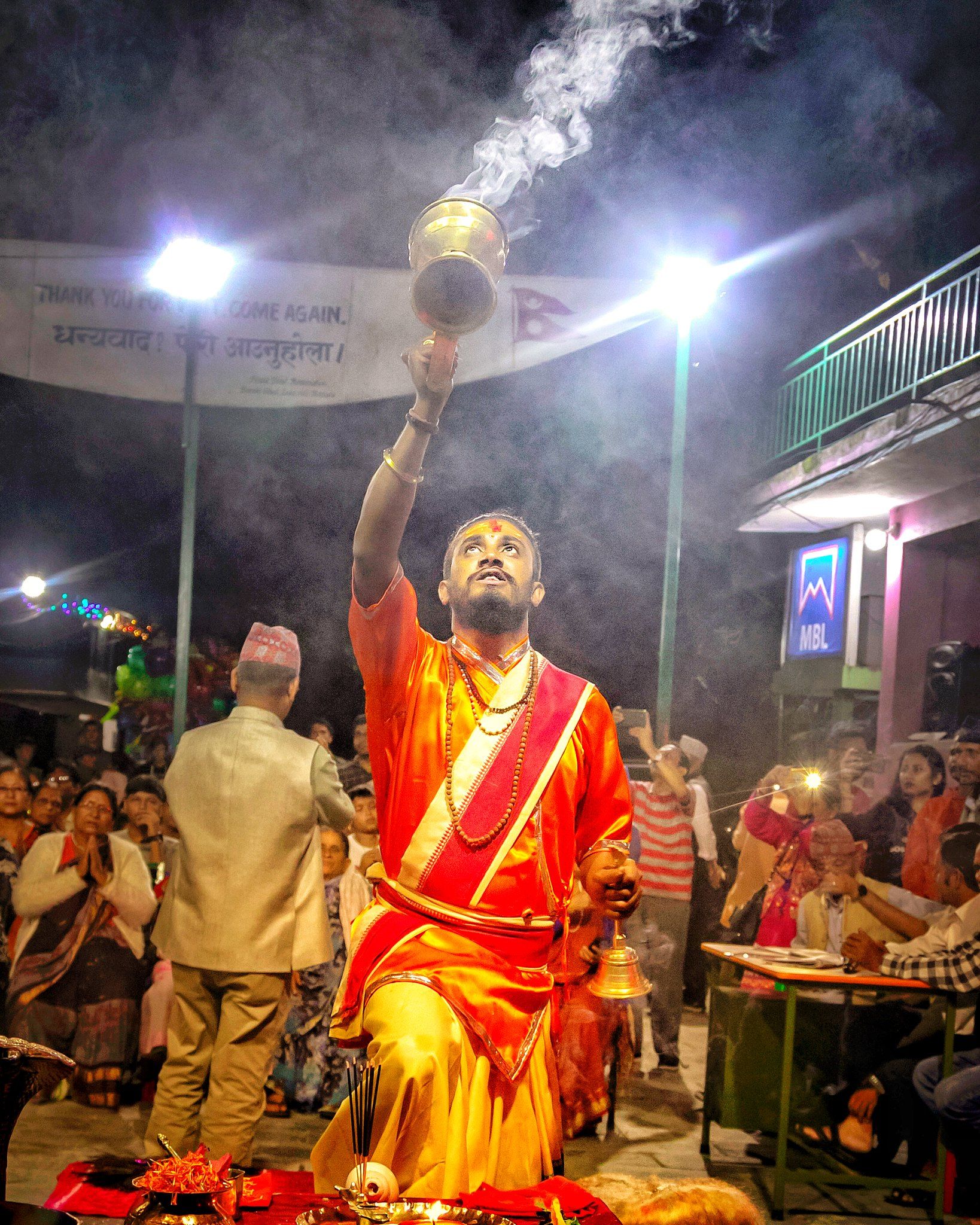
- Morning Prayers: Hindus rise before sunrise to recite sacred texts, like the Gayatri Mantra, paying homage to the divine and seeking blessings for the day.
- Puja (Worship): Ritual worship forms an integral part of daily life. Hindus offer prayers, flowers, and food to deities in their homes or temples, expressing devotion and gratitude.
- Bhagavad Gita Reading: In many households, families gather to read and discuss passages from the Bhagavad Gita, a sacred scripture that guides spiritual living.
Seasonal Observances: Marking Time and Connecting with Divinity
- Diwali (Festival of Lights): Celebrated in autumn, Diwali marks the triumph of good over evil and symbolizes the removal of darkness from one’s life.
- Holi (Festival of Colors): A vibrant spring festival, Holi welcomes the arrival of spring and celebrates the legend of Lord Krishna’s love for Radha.
- Navratri (Nine Nights): During this autumnal festival, devotees worship the goddess Durga, seeking her blessings and protection.
Life Cycle Rituals: Embracing Transitions and Milestones
- Birth Ceremonies: Welcoming a newborn into the world, Hindus conduct elaborate rituals, including naming ceremonies and prayers for their well-being.
- Marriage Ceremonies: Marriage is considered a sacred union in Hinduism. Weddings involve intricate rituals, vows, and blessings to ensure a harmonious and prosperous life together.
- Death Rituals: Hindus observe elaborate ceremonies to honor the deceased and help their souls transition to the afterlife.
Grand Celebrations: Expressions of Devotion and Community
- Kumbh Mela: One of the largest religious gatherings on Earth, the Kumbh Mela is held every three years at various sacred rivers. Millions of pilgrims bathe in the holy waters, seeking purification and spiritual renewal.
- Jagannath Rath Yatra: In the coastal town of Puri, the Jagannath Rath Yatra is an annual chariot procession of the Lord Jagannath, attracting devotees from far and wide.
- Durga Puja: In Bengal, Durga Puja is a grand festival celebrating the triumph of goddess Durga over the demon Mahishasura. Elaborate pandals (temporary temples) are built, and the goddess is worshipped with prayers and offerings.
The Deeper Meaning of Rituals
Rituals in Hinduism are not mere customs but profound expressions of faith. They connect devotees with the divine, foster a sense of community, and provide a framework for spiritual growth. By participating in these observances, Hindus not only honor their ancestors and celebrate their heritage but also seek to deepen their connection with the sacred, cultivating an inner life of devotion and enlightenment.## From Everyday Practices to Grand Celebrations: A Look at the Rich Ritual Landscape of Hinduism
Executive Summary
Hinduism, one of the oldest and most diverse religions in the world, encompasses an intricate tapestry of rituals and practices that shape the daily lives and spiritual journeys of its adherents. This article explores the multifaceted nature of Hindu rituals, their significance in different aspects of life, and the transformative experiences they offer.
Introduction
Hindu rituals are not mere traditions or customs but profound expressions of faith, connecting individuals to the divine and establishing a sense of order and harmony within the community. They permeate all spheres of life, from daily routines to major milestones, offering guidance, solace, and a means for spiritual growth.
FAQ
Q: What is the purpose of Hindu rituals?
A: Hindu rituals serve various purposes, including:
- Worshiping deities and seeking blessings
- Marking important life events (birth, marriage, death)
- Maintaining social and cultural identity
- Purifying the body and mind
- Fostering a sense of unity and belonging
Q: Are all Hindu rituals mandatory?
A: Hinduism is a flexible religion that allows for personal interpretation. While some rituals are considered essential, such as daily worship and major festivals, the frequency and observance of others may vary depending on individual preferences and traditions.
Q: Is it important to follow rituals exactly as prescribed?
A: While following established guidelines is generally recommended, Hinduism also emphasizes the spirit behind rituals. The intention and devotion with which a ritual is performed holds greater significance than strict adherence to every detail.
Subtopics
1. Daily Rituals
- Sandhya Vandan: Daily prayers performed at dawn, noon, and sunset to worship the Sun God and seek divine protection.
- Puja: Worship of deities in the home shrine, typically involving prayers, offerings, and meditation.
- Japa: Repetition of sacred mantras or the name of a deity for spiritual purification and focus.
- Bathing in Sacred Rivers: Bathing in holy rivers such as the Ganges is believed to cleanse the body and soul.
2. Life Cycle Rituals
- Namakaran: Naming ceremony performed shortly after birth, where the child receives its first name.
- Vivaha: Marriage ceremony that celebrates the union of two individuals and signifies a new phase in their lives.
- Antyeshti: Funeral rites that honor the departed and guide their soul’s journey to the afterlife.
- Shraddha: Ancestral offerings made on specific days to honor and pay respects to deceased family members.
3. Seasonal and Festival Rituals
- Diwali: The festival of lights, celebrated to commemorate the victory of good over evil and the return of Lord Rama to his kingdom.
- Holi: The festival of colors, where people celebrate the arrival of spring with vibrant color powders and water.
- Navaratri: A nine-day festival honoring the goddess Durga, showcasing devotional practices, dance performances, and festive gatherings.
- Kumbh Mela: A massive pilgrimage festival held every three years at one of four sacred rivers, attracting millions of devotees for purification and spiritual immersion.
4. Yoga and Meditation
- Hatha Yoga: A physical practice that involves postures, breathing techniques, and meditation to enhance physical and mental well-being.
- Raja Yoga: A meditative practice that focuses on controlling the mind and achieving inner peace and spiritual enlightenment.
- Bhakti Yoga: A path of devotion that involves singing, chanting, and expressing love and surrender to the divine.
- Jnana Yoga: A path of knowledge and inquiry that seeks to understand the nature of reality and the self.
5. Pilgrimage and Travel
- Char Dham: A pilgrimage circuit that includes four sacred sites in the Himalayas, believed to bring salvation and spiritual purification.
- Amarnath Cave: A pilgrimage to a remote cave in Kashmir, where devotees worship a natural ice lingam that represents Lord Shiva.
- Varanasi: A holy city on the banks of the Ganges River, renowned for its spiritual significance and countless temples.
- Dakshaineshwar Temple: A riverside temple in Kolkata, known for its devotion to the goddess Kali and its picturesque setting.
Conclusion
The rich ritual landscape of Hinduism serves as a vibrant testament to the diversity, inclusivity, and transformative nature of the faith. From daily practices that provide solace and guidance to grand celebrations that bring communities together, these rituals weave an intricate tapestry that connects individuals with the divine, fostering a sense of meaning, purpose, and spiritual awakening. Understanding and appreciating the multifaceted nature of Hindu rituals offers insights into the beauty and depth of a religion that has shaped cultures and hearts for centuries.
Keyword Tags
- Hinduism
- Rituals
- Daily Practices
- Life Cycle Rituals
- Seasonal Festivals
- Yoga and Meditation
- Pilgrimage