eGOD.eu – The Significance of Hindu Festivals and Celebrations: A Vibrant Tapestry of Faith, Culture, and Community. Hinduism, the world’s oldest religion, pulsates with life throughout the year. Unlike religions with a set calendar of holidays, Hindu festivals are a vibrant tapestry woven from the threads of mythology, seasonal cycles, and expressions of devotion to a diverse pantheon of deities. These celebrations transcend mere religious rituals; they are a powerful social glue that binds communities, strengthens traditions, and offer a glimpse into the rich cultural heritage of Hinduism.
Read Also The Importance of Pilgrimage in Hinduism: Journeying to Sacred Sites
An Explosion of Color: Celebrating Life’s Cycles
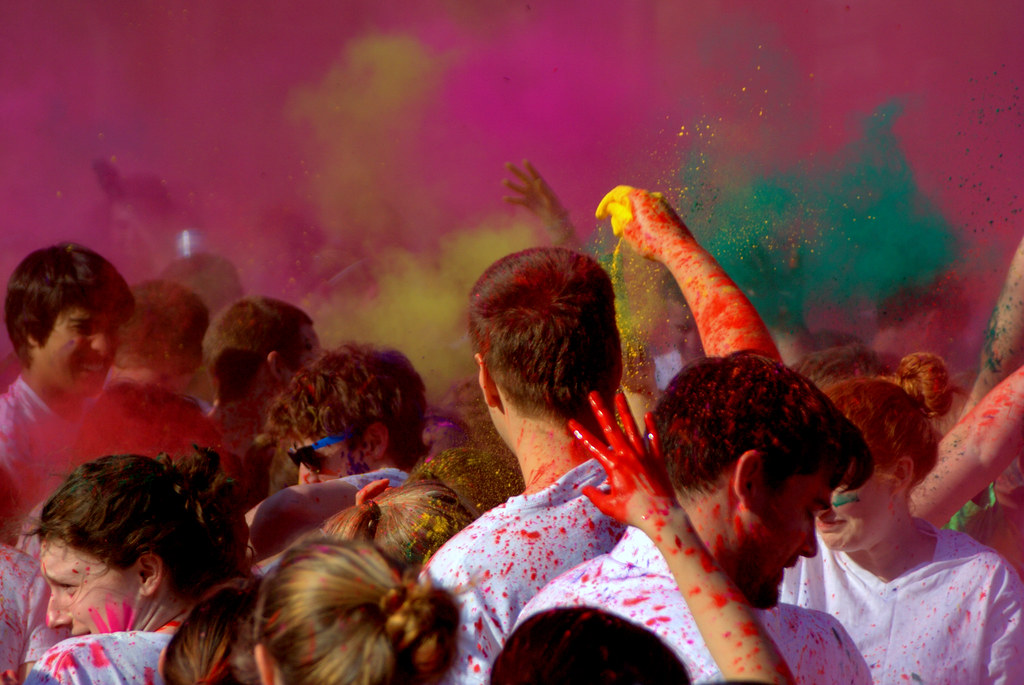
Many Hindu festivals are intricately linked to the rhythms of nature. Holi, the festival of colors, explodes with vibrant hues in the spring, symbolizing the triumph of good over evil and the blossoming of new life. In contrast, Makar Sankranti, celebrated in January, marks the sun’s northward journey, signifying the end of harsh winters and the promise of bountiful harvests. These festivals are a time to give thanks for nature’s bounty, fostering a deep respect for the environment.
Victories of Good Over Evil: Reinforcing Moral Values
Hinduism places strong emphasis on the battle between dharma (righteousness) and adharma (unrighteousness). Many festivals commemorate the victories of good over evil, serving as potent reminders of the importance of ethical conduct. Dussehra, celebrated with immense fervor, marks the triumph of Lord Rama over the demon king Ravana. The burning of effigies of Ravana symbolizes the destruction of evil within ourselves. Similarly, Durga Puja, a nine-day festival, honors the goddess Durga’s victory over the demon Mahishasura, emphasizing the power of good to vanquish negativity.
Expressions of Devotion: Connecting with the Divine
At the heart of Hinduism lies a deep devotion to a multitude of gods and goddesses. Festivals provide a platform to express this devotion through elaborate rituals, prayers, and offerings. Diwali, the festival of lights, is dedicated to Lakshmi, the goddess of prosperity. Homes are illuminated with oil lamps, symbolizing the dispelling of darkness and the invitation of good fortune. Krishna Janmashtami, celebrating the birth of Lord Krishna, is marked by fasting, devotional songs, and the enactment of scenes from his life. These practices strengthen the bond between devotees and their chosen deities.
Read Also The Philosophy of Advaita Vedanta: The Unity of the Self and the Ultimate Reality
Celebrating Life’s Milestones: Honoring Family and Ancestors
Hindu festivals are not merely grand spectacles; they encompass intimate moments that celebrate life’s milestones and strengthen familial bonds. Raksha Bandhan is a beautiful expression of the enduring love between siblings. Sisters tie a sacred thread (rakhi) on their brothers’ wrists, symbolizing protection and love. Ganesh Chaturthi, dedicated to Lord Ganesha, the remover of obstacles, is a time for families to come together and pray for success in endeavors. These celebrations reinforce the importance of family and community, reminding us that our well-being is intertwined with those around us.
A Journey Through Mythology: Keeping Traditions Alive
Hindu mythology is a captivating tapestry of stories that offer profound life lessons and shape cultural identity. Festivals serve as a powerful medium to keep these stories alive and pass them down to future generations. The ten-day enactment of the epic Ramayana during Dussehra not only celebrates Rama’s victory but also transmits the values of courage, devotion, and resilience. Similarly, the colorful performances depicting the life of Krishna during Janmashtami educate young minds about the importance of upholding dharma.
Read Also 10 Avatar Of Vishnu, The Many Avatars of Lord Vishnu: From Matsya to Kalki
A Feast for the Senses: Culinary Delights and Artistic Expressions
Hindu festivals are a feast for the senses, not just the soul. The preparation of special delicacies associated with each celebration is an integral part of the festivities. Sweets like laddoos and gulab jamuns are a staple during Diwali, symbolizing sweetness and prosperity. During Onam, a harvest festival in South India, an elaborate flower arrangement called “athapoo kolam” adorns doorways, showcasing artistic flair and reverence for nature. These sensory experiences heighten the joy of celebration and create lasting memories.
Global Impact: A Celebration Beyond Borders
Hinduism’s rich tapestry of festivals transcends geographical boundaries. The vibrant colors of Holi are celebrated with enthusiasm not only in India but also in countries with significant Hindu populations like Mauritius, Fiji, and Trinidad and Tobago. Diwali illuminations light up homes worldwide, fostering a sense of community and shared traditions. These global celebrations showcase the unifying power of Hindu festivals, bringing people together despite geographical distances.
A Time for Renewal and Reflection: Embracing Forgiveness and New Beginnings
Many Hindu festivals mark a time for introspection and renewal. Navratri, a nine-day festival culminating in Dussehra, is often observed as a period of fasting and self-reflection. Forgiveness is a key theme during Diwali, as people mend broken relationships and seek blessings for a fresh start. These introspective practices encourage spiritual growth and a more harmonious way of life.
Read Also The Hindu Concept of Brahmacharya: Living a Life of Celibacy and Self-Control
Conclusion
The significance of Hindu festivals and celebrations extends far beyond mere religious observances. They are a vibrant tapestry woven from threads of faith, culture, community, and a deep respect for nature’s cycles. These celebrations offer a glimpse into the rich heritage of Hinduism, reinforcing moral values, strengthening family bonds, and keeping traditions alive. Whether it’s the joyous explosion of colors in Holi, the soul-stirring devotion during Durga Puja, or the heartwarming rituals of Raksha Bandhan, Hindu festivals provide a platform for self-reflection, renewal, and a deeper connection with the divine. In a world that often feels fragmented, these celebrations offer a sense of belonging and a powerful reminder of our shared humanity.
The next time you witness the vibrant colors and joyous spirit of a Hindu festival, take a moment to appreciate the profound significance it holds, not just for the Hindu community, but for the enrichment of our global cultural tapestry.