Hindu Beliefs: The Cornerstone of a Vibrant Tapestry of Faith, Culture, and Community
Beliefs are the foundational pillars upon which civilizations are built, shaping the way people perceive the world and interact with it. Hindu beliefs, in particular, form the bedrock of a vibrant and multifaceted culture that has influenced countless lives across the globe.
From the sacred texts of the Vedas to the teachings of revered gurus, Hindu beliefs encompass a vast spectrum of concepts, practices, and rituals that have been passed down through generations. In this comprehensive guide, we delve into the significance of Hindu beliefs and explore their profound impact on the lives of Hindus worldwide.
Core Beliefs of Hinduism
At the heart of Hinduism lie several core beliefs that serve as guiding principles for its followers. These beliefs include:
-
Brahman: The Supreme Being or Ultimate Reality, often referred to as the “Unknowable.” Brahman is the source of all existence and transcends any limitations of form or definition.
-
Atman: The individual soul or self, which is an eternal and indestructible part of Brahman. Each soul undergoes a cycle of birth, death, and rebirth until it attains liberation (moksha).
-
Karma: The law of cause and effect, which governs the consequences of one’s actions. Good deeds lead to positive outcomes, while negative deeds create negative consequences.
-
Dharma: The concept of righteousness, duty, and ethical conduct. Dharma guides individuals in their daily lives and helps them fulfill their obligations to themselves, others, and the universe.
-
Moksha: The ultimate goal of Hinduism, which is to break free from the cycle of rebirth and achieve spiritual liberation. Moksha is attained through self-realization, enlightenment, and the cultivation of virtues such as compassion, love, and detachment.
The Significance of Hindu Beliefs
Hindu beliefs play a pivotal role in shaping the lives of Hindus in numerous ways. They provide:
-
A Framework for Understanding the World: Hindu beliefs offer a comprehensive framework through which Hindus can interpret the nature of reality, their place in it, and the purpose of human existence.
-
Guidance for Ethical Living: The principles of Dharma guide Hindus in their daily conduct, encouraging them to act with integrity, kindness, and respect for all beings.
-
A Path to Spiritual Liberation: Moksha is the ultimate goal of Hinduism, and the various practices and rituals prescribed in the sacred texts provide a path towards its attainment.
-
A Sense of Community and Belonging: Hindu beliefs unite Hindus across the globe, fostering a sense of shared identity, tradition, and purpose.
The Vibrancy of Hindu Festivals and Celebrations
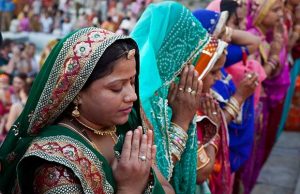
Hindu festivals and celebrations are a vibrant expression of Hindu beliefs. These events bring communities together, commemorate significant events in Hindu mythology, and provide opportunities for spiritual growth and renewal.
Some of the most prominent Hindu festivals include:
-
Diwali: The festival of lights, which celebrates the victory of good over evil and the triumph of light over darkness.
-
Holi: The festival of colors, which marks the arrival of spring and celebrates the victory of good over evil.
-
Navratri: A nine-night festival dedicated to the goddess Durga, during which devotees engage in fasting, prayer, and meditation.
-
Maha Shivaratri: A night dedicated to Lord Shiva, during which devotees stay up all night, chant mantras, and engage in spiritual practices.
-
Kumbh Mela: A massive pilgrimage that takes place every 12 years at one of four sacred rivers, where millions of devotees gather to bathe in the holy waters and seek blessings.
These festivals and celebrations provide a glimpse into the rich tapestry of Hindu beliefs and offer opportunities for Hindus to deepen their spiritual connection, express their devotion, and share their traditions with others.
Conclusion
Hindu beliefs are the foundation upon which a vibrant culture and community have flourished for centuries. From the core beliefs of Brahman, Atman, Karma, Dharma, and Moksha to the colorful festivals and celebrations that bring communities together, Hinduism offers a comprehensive path towards spiritual growth and liberation. Understanding these beliefs provides valuable insights into one of the world’s oldest and most enduring religions and its profound impact on the lives of Hindus worldwide.
Secondary Keywords:
Beliefs, Hinduism, Hindu Festivals, Hindu Celebrations, Spiritual Liberation, Dharma, Moksha, Atman, Brahman, Karma