The Tapestry of Celebrations: Unraveling the Vibrant Threads of Culture and Faith
Whether it’s the joyous revelry of a birthday party or the solemn observance of a religious holiday, celebrations are an integral part of human experience. They bring people together, create memories, and serve as expressions of our cultural and spiritual identities.
In the vibrant tapestry of Indian culture, celebrations hold a profound significance. Hindu festivals and celebrations are not merely social events; they are intricate mosaics of faith, tradition, and community. From the grand spectacle of Diwali to the intimate rituals of Ganesh Chaturthi, these celebrations encompass a kaleidoscope of colors, music, dance, and spiritual practices.
The Significance of Hindu Celebrations
1. Honoring the Divine:
At the heart of Hindu festivals lies the veneration of deities. Each celebration is dedicated to a particular god or goddess, providing an opportunity for devotees to pay homage and seek blessings. The elaborate rituals, prayers, and offerings that accompany these festivals are expressions of gratitude and devotion.
2. Preserving Culture and Tradition:
Hindu celebrations serve as conduits for preserving cultural heritage. They perpetuate traditions passed down through generations, connecting present-day celebrants with their ancestors. The customs, attire, and food associated with these festivals are imbued with symbolic meanings that reinforce cultural values and identity.
3. Fostering Community Bonding:
Celebrations are social glue that strengthens community bonds. They provide platforms for people from all walks of life to come together, share experiences, and celebrate their shared cultural identity. The communal aspect of these festivals fosters a sense of belonging and unity.
4. Spiritual Renewal and Growth:
Beyond their social and cultural significance, Hindu celebrations also play an important role in spiritual development. They offer opportunities for introspection, meditation, and connection with the divine. The rituals and practices associated with these festivals promote self-awareness, purification, and a deeper understanding of spiritual principles.
A Kaleidoscope of Hindu Celebrations
Diwali: The Festival of Lights
Diwali, known as the “festival of lights,” is one of the most significant Hindu celebrations. It symbolizes the triumph of good over evil and light over darkness. During Diwali, homes, streets, and temples are adorned with dazzling lights, and fireworks illuminate the night sky.
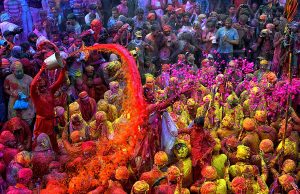
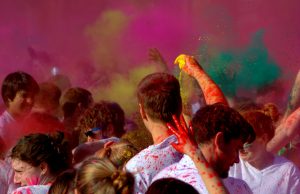
Holi: The Festival of Colors
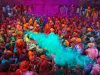
Holi, also known as the “festival of colors,” is a vibrant celebration of spring. People of all ages take to the streets adorned in colorful powder and water, engaging in playful battles that symbolize the shedding of old grudges and the renewal of relationships.
Ganesh Chaturthi: The Festival of Lord Ganesha
Ganesh Chaturthi is a ten-day celebration dedicated to Lord Ganesha, the remover of obstacles. Devotees install clay idols of Ganesha in their homes and temples, offering prayers and performing rituals to seek his blessings for prosperity and success.
Navratri: The Festival of Goddess Durga
Navratri is a nine-day festival that honors the divine feminine. It is believed that during Navratri, the goddess Durga descends to Earth to battle the forces of evil. Devotees observe fasts, perform prayers, and engage in traditional dances to pay homage to the goddess.
Dussehra: The Festival of Victory
Dussehra, also known as Vijayadashami, marks the culmination of Navratri. It commemorates the victory of Lord Rama over the demon king Ravana. The festival includes the burning of effigies of Ravana, symbolizing the triumph of good over evil.
Conclusion
Hindu celebrations are a vibrant tapestry woven with threads of faith, culture, and community. They play a vital role in preserving traditions, fostering unity, and promoting spiritual growth. From the grand spectacle of Diwali to the intimate rituals of Ganesh Chaturthi, these celebrations are a testament to the rich cultural heritage of India and its enduring spiritual values.
Secondary Keywords:
Diwali, Holi, Ganesh Chaturthi, Navratri, Dussehra