The Role of Festivals in Hinduism: Celebrating Faith and Traditions
Hinduism is a vibrant and diverse religion that is characterized by its rich tradition of festivals. These festivals play a significant role in the lives of Hindus, serving as both religious and social occasions. They provide opportunities for devotees to connect with their divine nature, celebrate the sacred stories of their faith, and strengthen their bonds with family and community.
Religious Significance
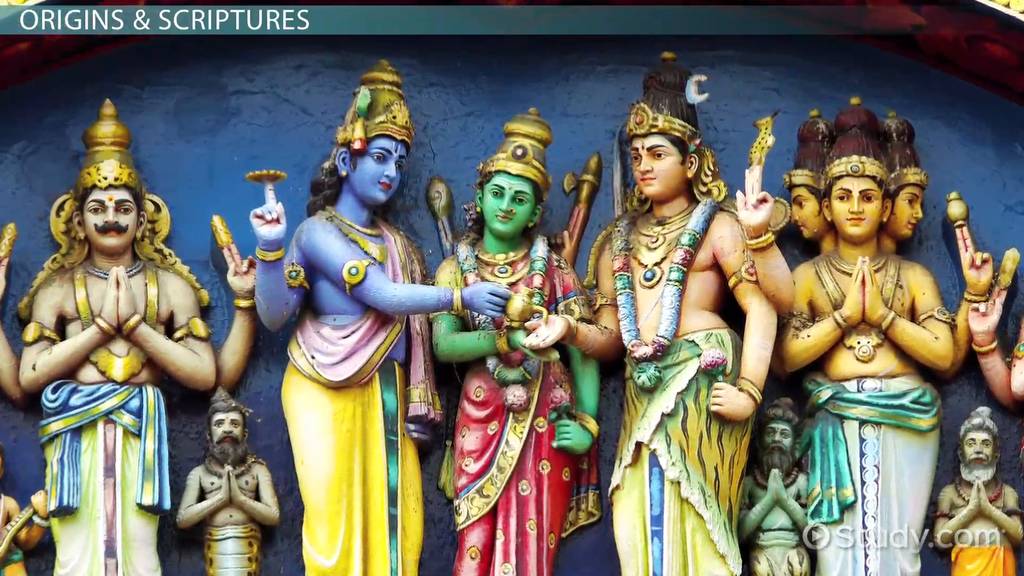
Hindu festivals are deeply rooted in the religious beliefs and practices of Hinduism. Many festivals commemorate specific events in the lives of the gods and goddesses, such as the birth of Lord Krishna or the marriage of Lord Shiva and Parvati. Others celebrate seasonal changes, such as the harvest festival of Diwali or the spring festival of Holi.
Through festivals, Hindus pay homage to their deities and seek their blessings. They participate in rituals and prayers, offering food, flowers, and other sacred items to the divine. These acts of devotion help to strengthen the connection between the devotee and the divine, fostering a sense of spiritual well-being.
Social Significance
In addition to their religious significance, Hindu festivals also play an important social role. They provide opportunities for families and communities to come together, celebrate their shared traditions, and strengthen their bonds. Festivals are often celebrated with feasts, music, dancing, and other forms of entertainment.
By participating in festivals, Hindus reaffirm their sense of community and belonging. They share their joy and sorrow with one another, support each other through difficult times, and celebrate their shared heritage. Festivals create a sense of unity and social cohesion, fostering a strong sense of identity among Hindus.
Cultural Significance
Hindu festivals are also an integral part of Indian culture. They have shaped the arts, music, dance, and literature of India. Many festivals are associated with specific regions or communities, and they reflect the diverse cultural traditions of the Indian subcontinent.
Through festivals, Hindus preserve and transmit their cultural heritage. They teach their children about the sacred stories and traditions of their ancestors, ensuring that these traditions continue to be passed down through generations. Festivals also provide a platform for cultural exchange, bringing together people from different backgrounds to share their unique customs and traditions.
Conclusion
Hindu festivals are a vital part of the religion’s faith and traditions. They provide opportunities for Hindus to connect with their divine nature, celebrate their sacred stories, and strengthen their bonds with family and community. Through festivals, Hindus affirm their sense of identity, preserve their cultural heritage, and create a sense of unity and belonging. Festivals are a testament to the rich diversity and enduring spirit of Hinduism, and they continue to hold a special place in the hearts of Hindus worldwide.## The Role Of Festivals In Hinduism: Celebrating Faith And Traditions
Executive Summary
Hindu festivals hold immense significance in the lives of Hindus worldwide, serving as vibrant expressions of faith, cultural heritage, and communal celebrations. Rooted in ancient scriptures and mythology, these festivals are platforms for spiritual growth, social cohesion, and the preservation of traditional values. By participating in these events, Hindus not only honor their deities but also strengthen their bonds with each other and their community.
Introduction
Hinduism, one of the world’s oldest and most diverse religions, is characterized by a rich tapestry of festivals that are deeply intertwined with its beliefs, practices, and cultural traditions. These festivals, celebrated throughout the year, provide opportunities for Hindus to connect with their divine, express their devotion, and share their joy with others.
Festival FAQs
1. What is the significance of festivals in Hinduism?
Festivals play a multifaceted role in Hinduism. They:
- Commemorate significant events in Hindu mythology and history
- Honor and worship specific deities
- Promote spiritual growth and self-reflection
- Strengthen communal bonds and foster social harmony
- Preserve and transmit cultural traditions
2. How many festivals are celebrated in Hinduism?
There are numerous festivals celebrated in Hinduism, with each region and community having its unique observances. Some of the most prominent include:
- Diwali
- Holi
- Navratri
- Durga Puja
- Ganesh Chaturthi
3. When are Hindu festivals celebrated?
Hindu festivals are celebrated throughout the year, following the lunisolar Hindu calendar. The dates of festivals vary depending on the position of the sun and moon.
Major Subtopics of Hindu Festivals
Diwali
- Description: The festival of lights, Diwali celebrates the triumph of good over evil and the return of Lord Rama from exile.
- Important Aspects:
- Lighting diyas (oil lamps) to symbolize the dispelling of darkness
- Worship of Lakshmi, the goddess of wealth and prosperity
- Fireworks and feasts to mark the victory of light
Holi
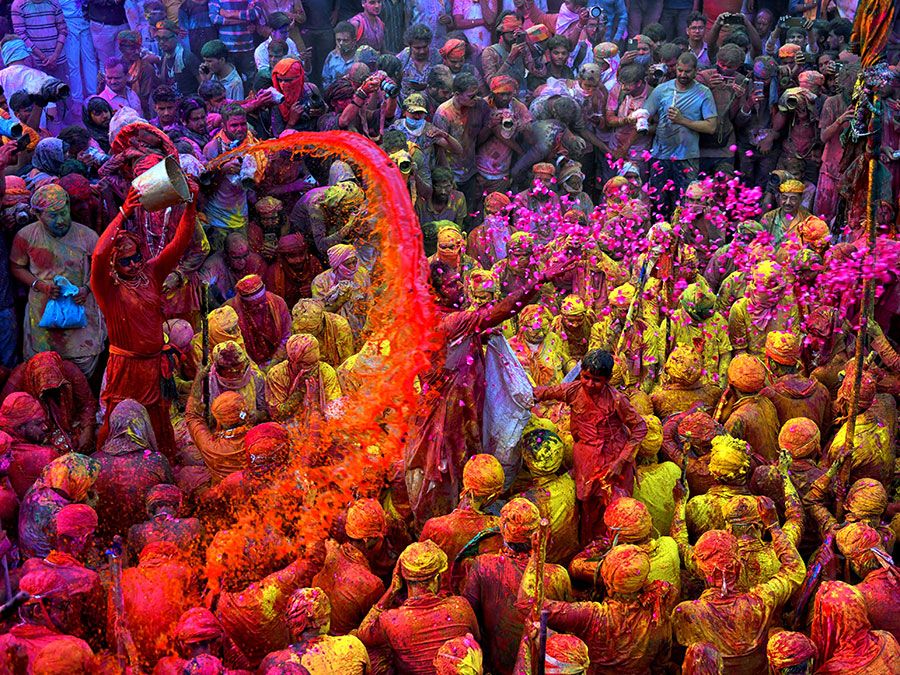
- Description: Known as the festival of colors, Holi commemorates the victory of good over evil and the arrival of spring.
- Important Aspects:
- Throwing colored powder and water on each other to symbolize the shedding of inhibitions
- Bonfires to burn away negativity
- Consumption of traditional sweets and delicacies
Navratri
- Description: A nine-night festival dedicated to the worship of the goddess Durga, Navratri symbolizes the triumph of good over evil and the ultimate victory of truth.
- Important Aspects:
- Fasting and prayer to seek divine blessings
- Garba and Dandiya dances to honor Devi Durga
- Offerings of food and flowers to the goddess
Durga Puja
- Description: A five-day festival celebrated in Eastern India, Durga Puja honors the goddess Durga and her victory over the demon Mahishasura.
- Important Aspects:
- Elaborate pandals (temporary temples) erected to house the idols of Durga
- Immersion of the idols in water bodies after worship
- Cultural performances and feasts to celebrate the festival
Ganesh Chaturthi
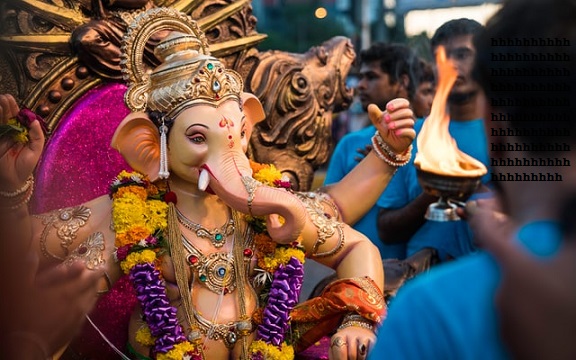
- Description: The festival dedicated to Lord Ganesha, the elephant-headed god of wisdom and prosperity, Ganesh Chaturthi celebrates his birth.
- Important Aspects:
- Installation of clay idols of Ganesha in homes and temples
- Offerings of sweets and flowers to the deity
- Immersion of the idols in water bodies after worship
Conclusion
Hindu festivals are an integral part of the Hindu way of life, providing opportunities for spiritual growth, cultural expression, and communal celebration. By participating in these events, Hindus not only honor their deities and traditions but also strengthen their sense of community and identity. The vibrant colors, music, and rituals of Hindu festivals captivate the hearts and minds of millions worldwide, showcasing the enduring power of faith and the enduring legacy of Indian culture.
Keywords
- Hindu festivals
- Diwali
- Holi
- Navratri
- Durga Puja
- Ganesh Chaturthi