
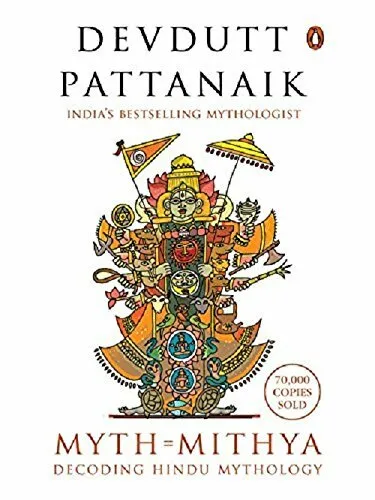
From Myth to Life: Applying the Lessons of Hindu Mythology in the Modern World
Introduction
Hindu mythology, steeped in ancient wisdom and timeless truths, offers a wealth of insights that can guide us through the complexities of modern life. By delving into the stories of gods and goddesses, heroes and sages, we can uncover profound lessons that resonate with our own experiences. This essay will explore some of the key teachings of Hindu mythology and how they can be applied to our daily lives.

The Importance of Dharma
Dharma, a central concept in Hinduism, refers to the path of righteousness, duty, and moral obligation. It teaches us that every action has consequences and that living in accordance with dharma leads to a harmonious and fulfilling life. In the modern world, dharma can guide our ethical decisions, foster responsibility, and promote social justice.
The Power of Compassion
Hindu mythology is replete with stories of compassion and forgiveness. Lord Vishnu, the Preserver, is a compassionate deity who embodies love and kindness. By emulating Vishnu’s virtues, we can cultivate empathy, understanding, and a desire to help others. Compassion can break down barriers, bridge differences, and create a more harmonious society.
The Triumph of Good over Evil
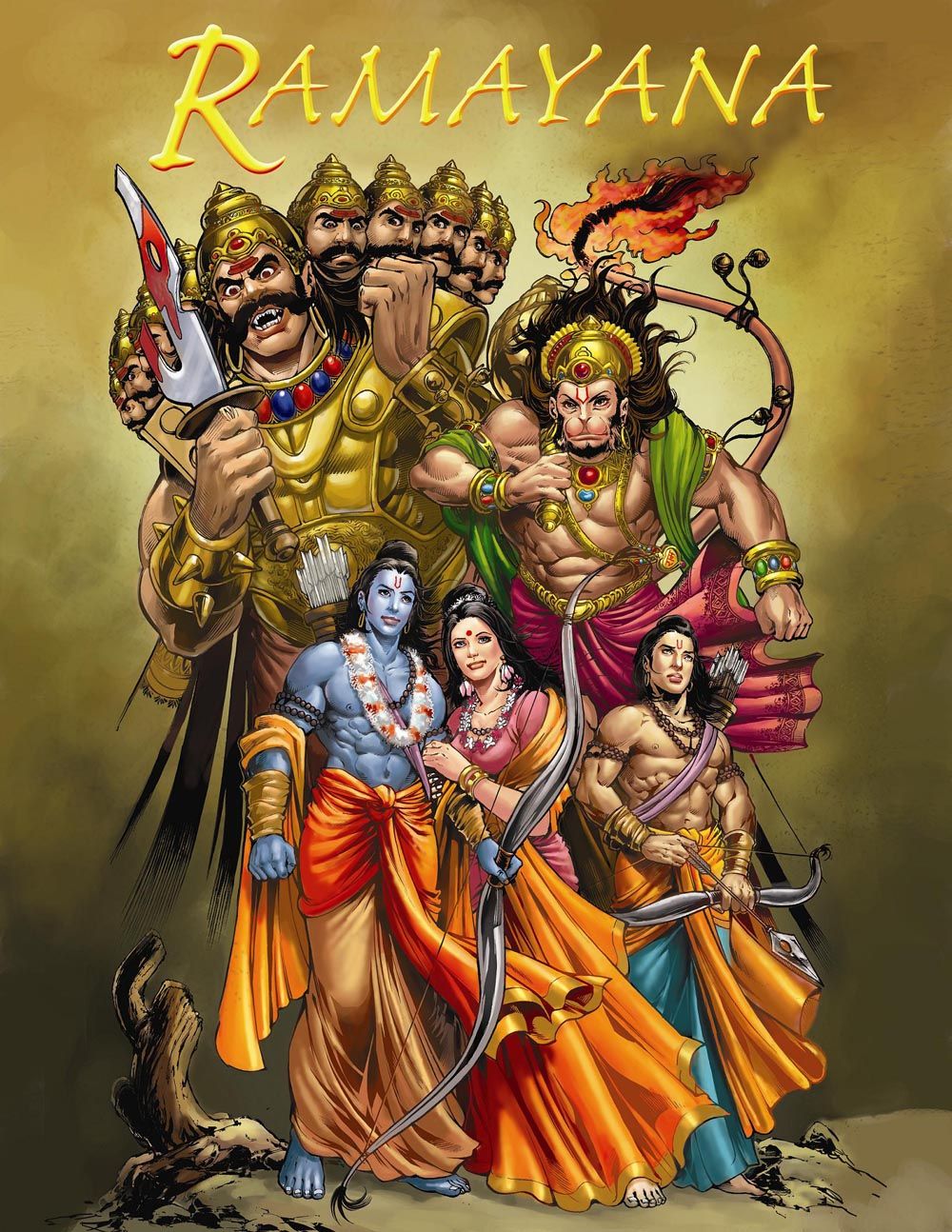
The epic Ramayana tells the story of Rama, a virtuous prince who defeats the evil demon king Ravana. This myth reminds us that good will ultimately triumph over evil, even in the darkest of times. It encourages us to have faith in the power of truth, justice, and the human spirit.
The Importance of Balance
Hinduism emphasizes the importance of balance in all aspects of life. The three primary gunas (qualities) of nature – sattva (purity), rajas (passion), and tamas (inertia) – must be in harmony for optimal well-being. By striving for balance in our thoughts, emotions, and actions, we can achieve a sense of equanimity and contentment.
The Role of Self-Knowledge
Hindu mythology places great emphasis on self-knowledge and introspection. The Bhagavad Gita is a sacred text that encourages us to seek wisdom within ourselves. By understanding our true nature, we can overcome our weaknesses, develop our strengths, and live a more meaningful life.
The Significance of Surrender
Lord Shiva, the Destroyer, represents the transformative power of surrender. By surrendering our ego and attachments, we can open ourselves up to divine grace and experience a deeper connection to the universe. Surrender can lead to a sense of peace, liberation, and spiritual growth.
Conclusion
The lessons of Hindu mythology offer an invaluable guide for navigating the challenges and opportunities of the modern world. By embracing the principles of dharma, compassion, balance, self-knowledge, and surrender, we can create a more fulfilling and meaningful life. These ancient wisdoms continue to resonate with us today, providing eternal guidance on the path of human existence.## From Myth To Life: Applying The Lessons Of Hindu Mythology In The Modern World
Executive Summary
Hindu mythology, a treasure trove of ancient wisdom and timeless truths, offers a wealth of lessons that can profoundly impact our lives in the modern world. From the concept of dharma to the power of karma, these teachings provide valuable guidance for navigating personal challenges, fostering harmonious relationships, and creating a fulfilling life. Embracing the lessons of Hindu mythology empowers us to transcend our limitations, embrace our potential, and live with purpose and meaning.
Introduction
The tapestry of human existence is intricately woven with stories, myths, and legends that have shaped our beliefs, values, and behaviors. Among these, Hindu mythology stands as a towering monument of wisdom, offering timeless lessons that can illuminate our path in the complexities of the modern world. By delving into the rich narratives of Hindu mythology, we can uncover profound truths that guide us towards personal growth, harmonious relationships, and a fulfilling life.
FAQs
Q: How can Hindu mythology be relevant in today’s modern world?
A: Hindu mythology transcends time and cultural boundaries, offering universal truths and principles that are applicable to the challenges and experiences of modern life. Its teachings provide guidance for personal development, interpersonal relationships, and ethical decision-making, helping us navigate the complexities of our contemporary world.
Q: Is Hindu mythology only for Hindus?
A: The lessons and wisdom of Hindu mythology are not exclusive to those who follow the Hindu faith. They are universal teachings that resonate with people of all backgrounds and beliefs. The stories and characters in Hindu mythology represent human experiences, emotions, and aspirations that transcend religious boundaries.
Q: How can I apply the lessons of Hindu mythology in my daily life?
A: Embracing the lessons of Hindu mythology requires a conscious effort to reflect on its teachings and integrate them into our thoughts, actions, and interactions with others. By understanding the principles of dharma (righteousness), karma (action and its consequences), and bhakti (devotion), we can cultivate a life of purpose, virtue, and fulfillment.
Subtopics
The Power of Dharma
Dharma, a fundamental concept in Hindu mythology, represents one’s righteous path or duty. It emphasizes the importance of living in accordance with one’s nature, fulfilling one’s responsibilities, and acting ethically.
- Understanding Your Dharma: Identify your unique strengths, passions, and purpose in life.
- Embracing Your Responsibilities: Fulfill your obligations towards yourself, your family, your community, and the world.
- Living with Integrity: Act in accordance with your values and moral principles, even when faced with challenges.
- Consequences of Deviating from Dharma: Understand that actions that violate dharma lead to negative consequences.
The Law of Karma
Karma, a central principle in Hindu mythology, refers to the law of action and its consequences. It teaches that every action, word, and thought creates an imprint on our soul, shaping our future experiences.
- The Cycle of Karma: Recognize that actions have both positive and negative consequences that manifest in our lives.
- Intentions Matter: Understand that the intentions behind our actions are just as important as the actions themselves.
- Breaking the Cycle: Cultivate virtues such as compassion, forgiveness, and selfless service to mitigate negative karma.
The Path of Bhakti
Bhakti, a devotional practice in Hindu mythology, emphasizes the power of love and devotion to the divine. It teaches that by surrendering our ego and offering our hearts to a higher power, we can achieve spiritual fulfillment and enlightenment.
- Cultivating Love and Devotion: Develop a deep connection to a chosen deity or divine principle.
- Surrendering the Ego: Let go of your attachment to personal desires and ambitions.
- Finding Purpose and Meaning: Discover your true purpose and meaning through devotion and service.
- Experiencing Divine Grace: Believe in the power of a higher power to guide, protect, and inspire you.
The Significance of Storytelling
Hindu mythology is a treasure trove of stories that convey profound lessons and morals. By listening to and reflecting on these stories, we can gain insights into human nature, the challenges of life, and the path to enlightenment.
- Learning from the Lives of Saints: Study the lives of great sages, devotees, and heroes to draw inspiration and guidance.
- Embracing the Power of Allegory: Recognize that many stories in Hindu mythology are allegories that convey deeper truths.
- Applying Lessons to Your Life: Reflect on the stories and characters to identify lessons that can be applied to your own experiences.
The Importance of Rituals and Festivals
Rituals and festivals play a significant role in Hindu mythology, providing opportunities for spiritual purification, community bonding, and the celebration of divine events.
- Participating in Rituals: Engage in sacred rituals and ceremonies to connect with the divine and purify your soul.
- Celebrating Festivals: Participate in traditional festivals to honor deities, commemorate events, and foster a sense of community.
- Embracing the Spiritual Dimension: Recognize the spiritual significance behind rituals and festivals, and use them as opportunities for personal growth.
Conclusion
The lessons of Hindu mythology offer a timeless roadmap for navigating the complexities of modern life. By embracing the principles of dharma, karma, and bhakti, we can cultivate a life of purpose, virtue, and fulfillment. The stories, rituals, and festivals of Hindu mythology provide us with a rich tapestry of wisdom and inspiration, guiding us on our path towards self-discovery, harmonious relationships, and a fulfilling existence.
Keyword Tags
- Hindu mythology
- Dharma
- Karma
- Bhakti
- Storytelling