Liberation From Samsara: The Ultimate Goal of the Hindu Spiritual Path
Introduction
In the vast tapestry of spiritual traditions, the Hindu path stands out as one that seeks liberation from the cycle of rebirth and suffering known as samsara. The ultimate goal of Hindu spirituality is moksha, a state of complete freedom and unity with the divine. This essay will explore the concept of samsara and its role in the Hindu spiritual quest, examining key practices and beliefs that guide seekers towards liberation.
Understanding Samsara
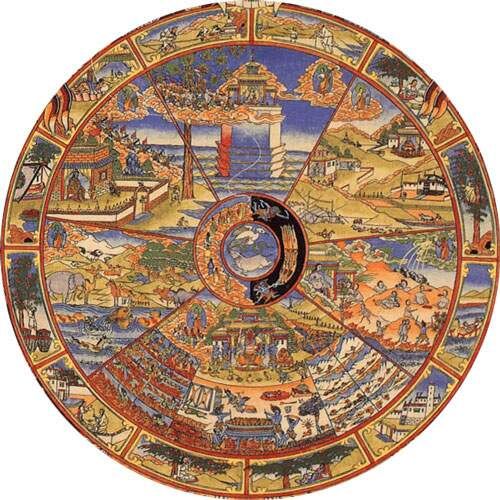
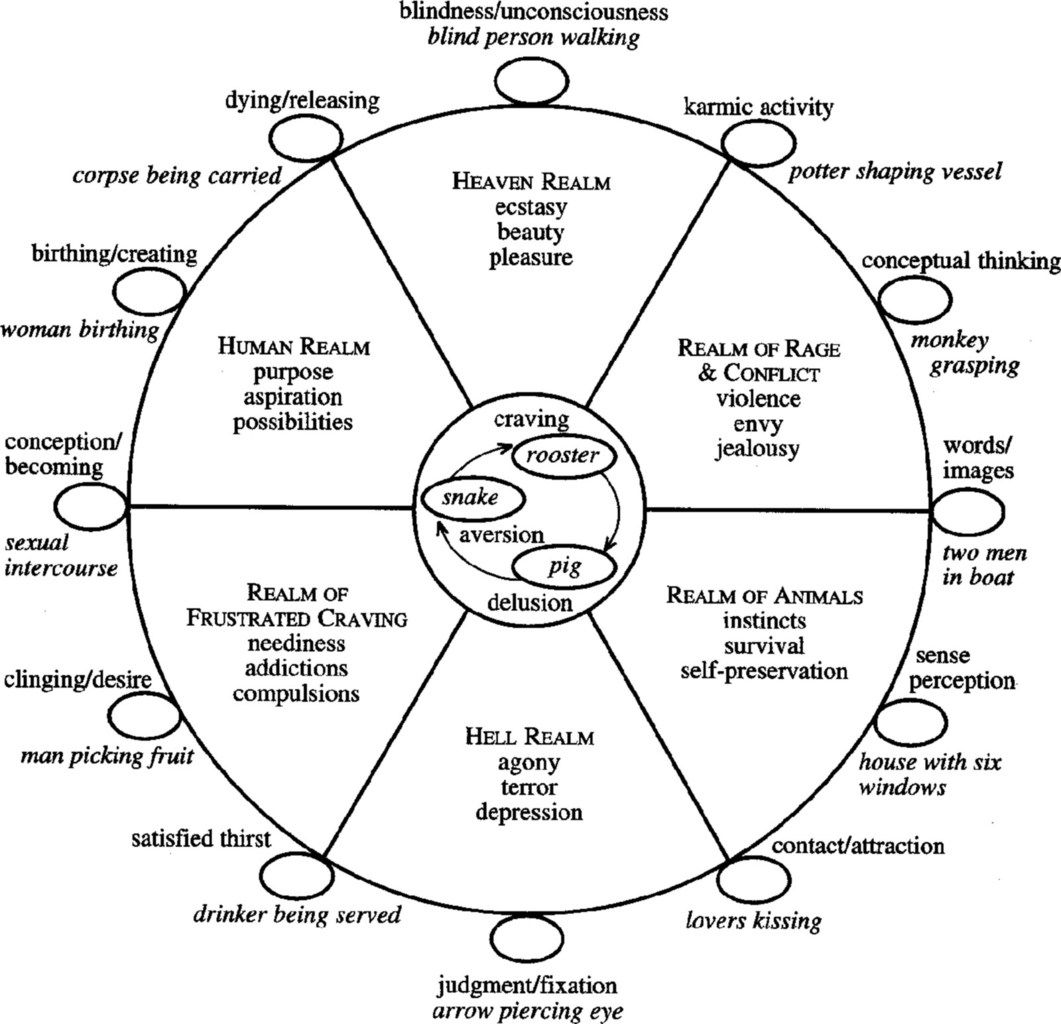
Samsara is the Sanskrit term for the endless cycle of birth, death, and rebirth. It is believed that all beings are trapped in this cycle due to their karma, the accumulated actions and their consequences. Each action, both good and bad, creates an imprint on the soul, shaping future experiences. The cycle of samsara perpetuates suffering because every birth brings new challenges, afflictions, and the inevitable experience of death.
The Causes of Samsara
According to Hindu philosophy, samsara is caused by three main factors:
- Ignorance (avidya): A fundamental misunderstanding of the true nature of reality.
- Attachment (raga): An excessive clinging to material possessions, relationships, or desires.
- Aversion (dvesha): A rejection of unpleasant experiences or circumstances.
These three factors lead to a distorted view of the world, perpetuating the cycle of rebirth and suffering.
The Path to Liberation
Liberation from samsara is achieved through a combination of spiritual practices, ethical conduct, and self-inquiry. Key practices include:
- Yoga: A system of physical, mental, and spiritual disciplines that cultivate self-control, concentration, and inner peace.
- Meditation: A practice that stills the mind, allowing for insights into the nature of reality and the self.
- Japa: The repetition of sacred mantras, which purifies the mind and connects the seeker to the divine.
- Bhakti: Devotion to a chosen deity, fostering love, surrender, and a deep connection with the divine.
- Ethical conduct: Adhering to principles of non-violence (ahimsa), truthfulness (satya), and compassion (karuna), which helps break the cycle of negative karma.
Realizing Moksha
The culmination of the Hindu spiritual path is the realization of moksha, a state of complete liberation from the cycle of samsara. This state is characterized by:
- Self-realization: The profound realization of the true nature of the self as identical to the divine.
- Freedom from suffering: The cessation of all forms of physical and mental suffering.
- Union with the divine: A profound and unbreakable connection with the ultimate reality or Brahman.
Moksha is not simply a passive state of existence but an active and transformative experience that permeates all aspects of the seeker’s life. It is a journey marked by moments of insight, purification, and a gradual shedding of the attachments and delusions that bind the soul to the cycle of samsara.
Conclusion
Liberation from samsara is the ultimate goal of the Hindu spiritual path, a journey that leads to the realization of moksha. Through practices of yoga, meditation, bhakti, and ethical conduct, seekers gradually cultivate self-realization, freedom from suffering, and a profound unity with the divine. The path to liberation is challenging but ultimately rewarding, offering the promise of a life free from the endless cycle of birth and rebirth and the attainment of a state of enduring joy and peace.# Liberation From Samsara: The Ultimate Goal Of The Hindu Spiritual Path
Executive Summary
Samsara, the cycle of birth, death, and rebirth, is a fundamental concept in Hinduism. The ultimate goal of the Hindu spiritual path is to achieve liberation from samsara, a state known as moksha. This article explores the nature of samsara, the causes of rebirth, and the various paths to liberation outlined in Hindu scriptures.
Introduction
Hinduism, one of the world’s oldest religions, offers a profound understanding of the human experience and the nature of reality. Central to Hindu philosophy is the concept of samsara, the cycle of birth, death, and rebirth. According to Hindu teachings, the soul, or atman, is immortal and undergoes a continuous cycle of rebirth until it achieves liberation. This article delves into the significance of samsara in Hinduism and examines the paths to liberation as outlined in sacred Hindu texts.
FAQs
What is samsara?
Samsara is the cycle of birth, death, and rebirth that binds the soul to the material world. It is a continuous process driven by karma, the law of cause and effect.
Why are we reborn?
According to Hinduism, rebirth is a result of unfulfilled desires and attachments. When we die, our karma determines the circumstances of our next life. If we have unresolved desires or negative karma, we are reborn into another life to work through them.
How can we achieve liberation from samsara?
Liberation from samsara, known as moksha, is the ultimate goal of the Hindu spiritual path. It is achieved through various practices such as meditation, yoga, devotion, and selfless service.
Subtopics
Karma and Reincarnation
- Karma: Every action has a consequence that shapes our future experiences.
- Reincarnation: The soul transmigrates through multiple lives, carrying the karma from previous lives.
- Law of Karma: Ensures that individuals reap the fruits of their actions, both good and bad.
- Moksha: Liberation from the cycle of karma and reincarnation.
- Dharma: Adhering to one’s righteous duties and responsibilities.
The Four Paths to Liberation
- Bhakti Yoga (Path of Devotion): Surrendering to a personal deity and cultivating divine love.
- Jnana Yoga (Path of Knowledge): Seeking wisdom and understanding through study and contemplation.
- Karma Yoga (Path of Action): Performing selfless service without attachment to the fruits of labor.
- Raja Yoga (Path of Meditation): Disciplining the mind and body through meditation and breathing exercises.
The Nature of Moksha
- Freedom from Suffering: Moksha is the cessation of all suffering caused by the cycle of birth and death.
- Union with the Divine: Liberation involves experiencing oneness with the ultimate reality, known as Brahman.
- Transcendence of Ego: Moksha is the dissolution of the ego and the realization of the true self.
- Eternal Bliss and Fulfillment: Liberation brings about a state of supreme happiness and contentment.
The Role of the Guru
- Spiritual Guide: The guru is an enlightened teacher who guides the disciple on the path to liberation.
- Transmission of Wisdom: The guru imparts knowledge and techniques to help the disciple overcome obstacles.
- Personal Transformation: The guru facilitates the disciple’s inner transformation and spiritual growth.
The Importance of Surrender
- Letting Go of Ego: Liberation requires surrendering the ego and its attachments.
- Trust in the Divine: Devoting oneself to a higher power and trusting in its guidance.
- Acceptance of the Present Moment: Releasing resistance and embracing life’s experiences.
Conclusion
Samsara, the cycle of birth, death, and rebirth, is a profound concept that shapes the Hindu worldview. Through various paths outlined in sacred scriptures, Hindus strive for liberation from samsara, known as moksha. This ultimate goal brings freedom from suffering, union with the divine, and eternal bliss. By understanding the nature of samsara, the causes of rebirth, and the paths to liberation, individuals can embark on a spiritual journey towards enlightenment and self-realization.
Keyword Tags
- Samsara
- Moksha
- Karma
- Reincarnation
- Liberation