Hindu Ethics and Morality: An Introduction to the Concept of Dharma
Hinduism, one of the world’s oldest religions, places great importance on ethics and morality. The concept of dharma, often translated as “righteousness” or “duty,” lies at the heart of Hindu ethical thought.
Dharma: The Foundation of Hindu Ethics
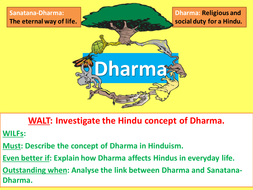
Dharma is a complex and multifaceted concept that encompasses both individual and societal obligations. It is derived from the Sanskrit root “dhr,” meaning “to support” or “to uphold.” According to Hindu scriptures, dharma is the fundamental law that governs the universe and ensures its orderly functioning.
Characteristics of Dharma
Dharma possesses several key characteristics:
- Universality: It applies to all beings, regardless of caste, creed, gender, or social status.
- Timelessness: It transcends time and is not subject to change.
- Plurality: There are multiple interpretations of dharma, depending on the context and individual circumstances.
- Non-violence: Dharma emphasizes the importance of compassion, non-injury, and respect for all living beings.
- Social Responsibility: It requires individuals to contribute to the well-being of society.
Types of Dharma
Hinduism recognizes different types of dharma based on one’s station in life, social status, and responsibilities:
- Individual Dharma: The duties and responsibilities of an individual, such as performing daily rituals, seeking knowledge, and leading an ethical life.
- Varna Dharma: The obligations associated with one’s caste, such as the duties of a Brahmin (priest), Kshatriya (warrior), Vaishya (merchant), or Shudra (laborer).
- Ashrama Dharma: The duties and responsibilities of an individual at different stages of life, namely, student, householder, forest-dweller, and renunciate.
The Importance of Dharma in Hindu Society
Dharma plays a vital role in Hindu society:
- Social Order: It maintains harmony and stability by defining the roles and responsibilities of individuals and groups.
- Ethical Guidance: It provides a framework for ethical decision-making and guides individuals towards righteous conduct.
- Spiritual Fulfillment: Dharma is seen as a path to spiritual liberation by fulfilling one’s duties and responsibilities.
Dharma in Modern Times
While the concept of dharma has evolved over time, it remains an essential aspect of Hindu ethics and morality. Modern-day Hindus strive to incorporate dharmic principles into their lives through:
- Ethical Living: Adhering to principles of non-violence, compassion, and honesty.
- Social Service: Engaging in charitable activities and contributing to the community.
- Environmental Preservation: Recognizing the importance of protecting and sustaining the environment.
Conclusion
The concept of dharma is fundamental to understanding Hindu ethics and morality. It provides a framework for righteous living, promotes social harmony, and guides individuals towards spiritual fulfillment. By embracing dharmic principles, Hindus seek to live ethical, responsible, and compassionate lives in accordance with the universal laws of the universe.## Executive Summary
This article provides a comprehensive introduction to Hindu ethics and morality, exploring the fundamental concepts of Dharma, Karma, and Moksha. It delves into the various schools of thought within Hinduism, highlighting their unique perspectives on ethical conduct.
Introduction:
Hinduism, one of the world’s oldest religions, offers a rich and complex ethical framework that guides the lives of its adherents. The concept of Dharma stands as the central pillar of Hindu ethics, encompassing duties, responsibilities, and righteous action.
Understanding Dharma
Dharma is a multifaceted concept that encompasses:
- Individual Duty: Fulfilling one’s role and obligations within society and one’s stage of life.
- Social Order: Maintaining harmony and order in the community through proper conduct.
- Universal Law: Adhering to the laws of nature and the cosmos.
- Ethical Principles: Embracing values such as truthfulness, non-violence, and compassion.
Schools of Hindu Thought
Hinduism encompasses various schools of thought, each with its own interpretation of Dharma:
- Vedanta: Emphasizes the oneness of all beings and the pursuit of spiritual knowledge.
- Mimamsa: Focuses on the study and application of religious rituals and scriptures.
- Nyaya: Stresses the importance of logic, reason, and knowledge.
- Vaisheshika: Examines the nature of reality and the categories of existence.
- Yoga: Emphasizes physical and mental disciplines for self-realization.
Karma: The Law of Action
Karma refers to the cause-and-effect principle in Hinduism. It dictates that one’s actions, both good and bad, have consequences in this life and beyond. Key aspects of Karma include:
- Intention: The motive behind an action weighs heavily on its karmic impact.
- Consequence: Actions have both immediate and long-term consequences.
- Rebirth: Karma influences the form and circumstances of one’s future lives.
- Free Will: While past actions shape present circumstances, individuals possess free will to choose their actions.
Moksha: The Ultimate Goal
Moksha represents the ultimate goal of Hindu spiritual practice. It is a state of liberation from the cycle of birth and death, attained through the realization of one’s true nature. Key aspects of Moksha include:
- Union with Brahman: The ultimate goal is to merge with the divine reality.
- Self-Realization: Understanding one’s true self beyond the limitations of the ego.
- Freedom from Samsara: Moksha liberates individuals from the cycle of rebirth and suffering.
- Eternal Bliss: It is a state of everlasting happiness and contentment.
Conclusion:
Hindu ethics and morality provide a profound framework for living a meaningful and ethical life. By understanding Dharma, Karma, and Moksha, individuals can navigate the complexities of existence and strive for spiritual liberation. The principles of Hinduism transcend cultural and temporal boundaries, offering valuable insights for ethical conduct in today’s world.
Keyword Tags:
Hindu Ethics, Dharma, Karma, Moksha, Schools of Hindu Thought