
Hindu Temples: Architectural Wonders & Spiritual Sanctuaries
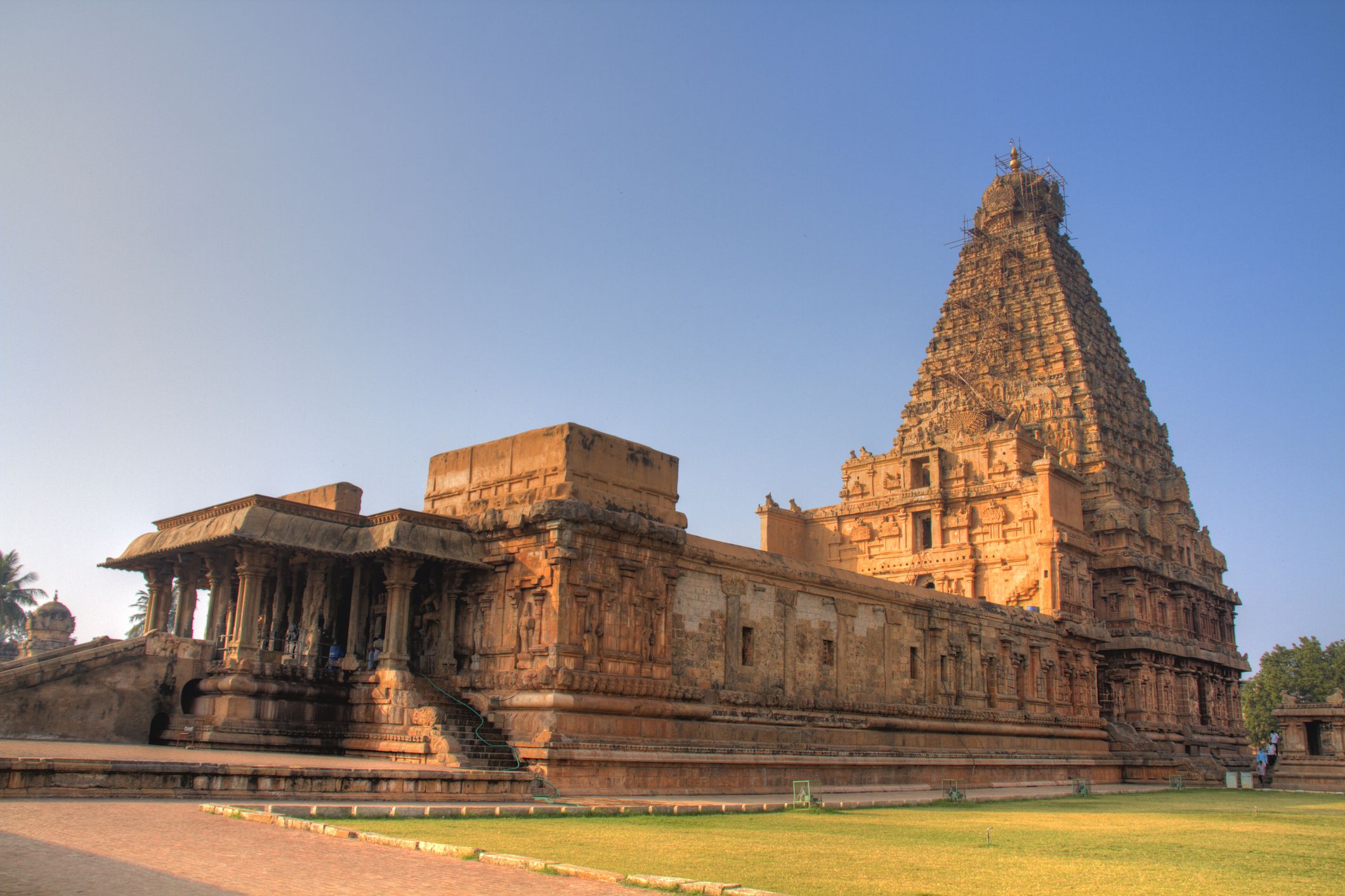
Hindu temples are not mere structures of brick and mortar; they are architectural masterpieces and spiritual sanctuaries where devotees connect with the divine. Each temple is a testament to the rich cultural heritage of Hinduism and showcases the architectural prowess of the artisans who created them.
Architectural Elements
Hindu temples follow specific architectural principles and incorporate several key elements:
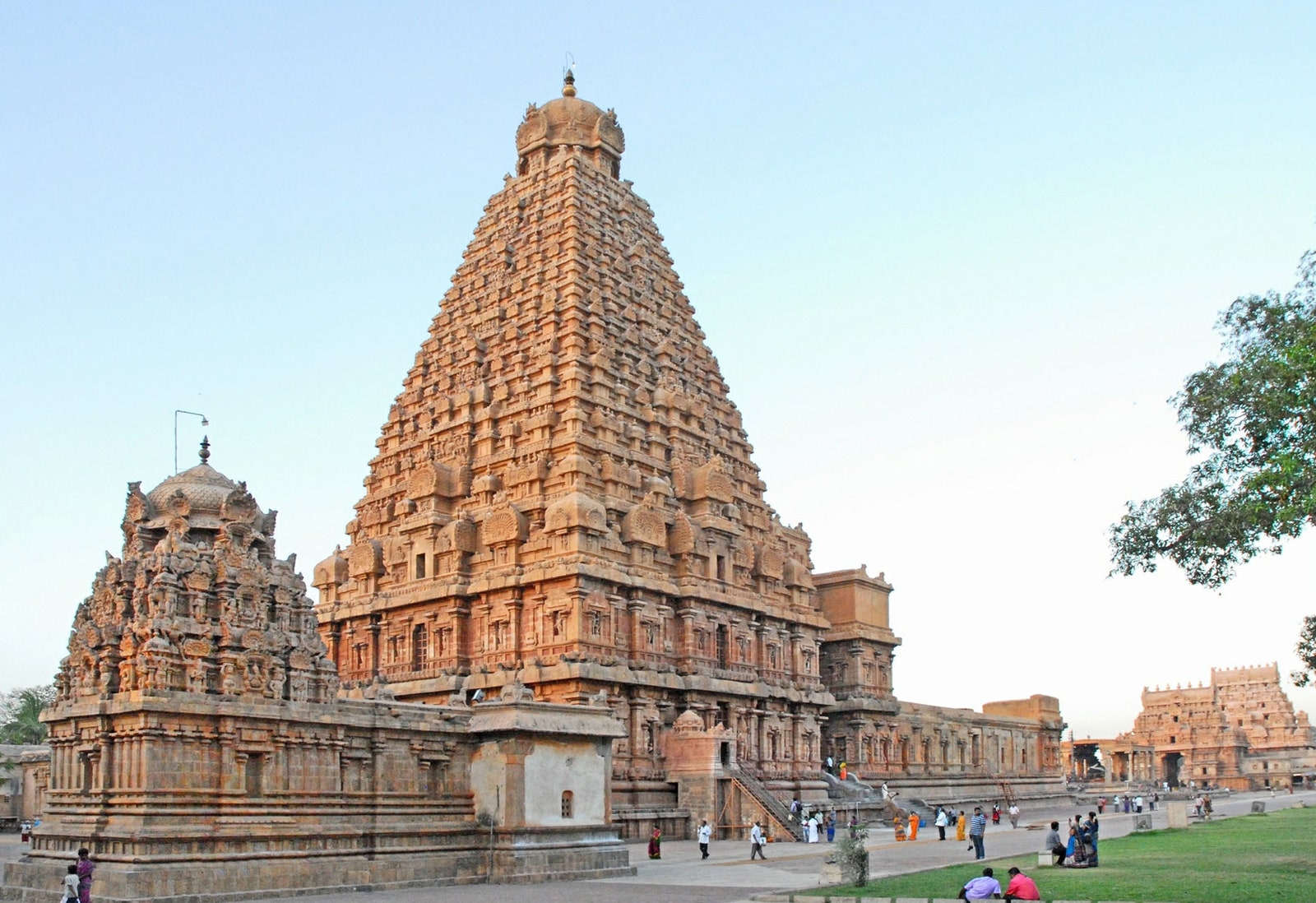
- Shikhara (Spire): The iconic tower-like structure that dominates the temple’s exterior symbolizes Mount Meru, the cosmic mountain at the center of the universe.
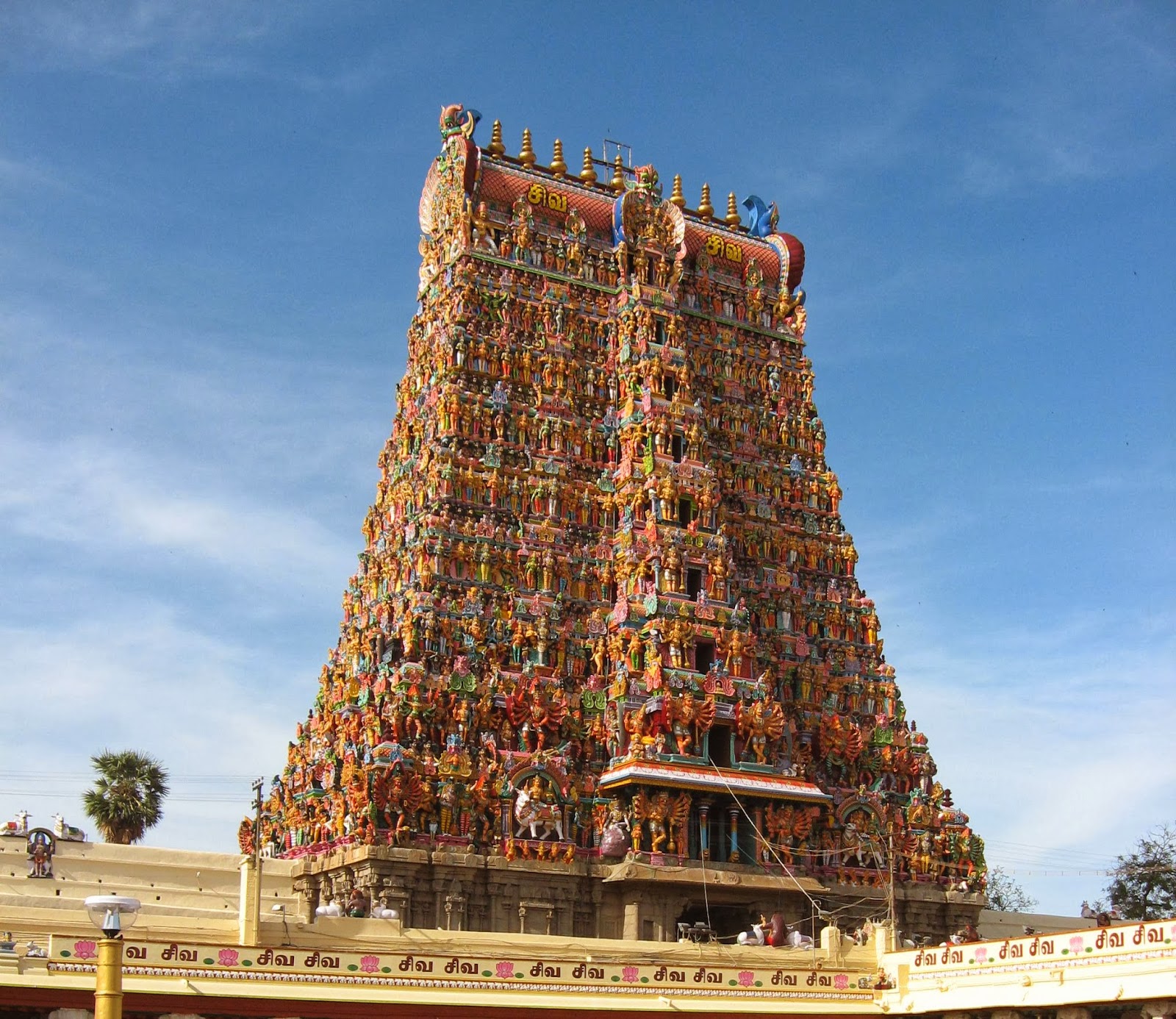
- Gopuram (Gateway): The elaborately decorated entrance tower leads to the temple’s inner sanctum and represents the transition from the mundane world to the sacred realm.
- Mandapa (Hall): A pillared hall used for congregational prayers, festivals, and religious ceremonies.
- Garbhagriha (Sanctum Sanctorum): The innermost chamber where the main deity is enshrined. It is usually the most ornate part of the temple.
- Mandala Layout: Many temples are built on a mandala layout, a geometric pattern representing the cosmos. The deities are placed in specific positions based on their cosmic significance.
Spiritual Significance
Hindu temples serve as important spiritual centers for devotees. They are places of:
- Worship: Devotees offer prayers, perform rituals, and make offerings to the deity in the Garbhagriha.
- Meditation: The peaceful and sacred atmosphere of temples provides an ideal setting for meditation and self-reflection.
- Pilgrimage: Temples are revered pilgrimage destinations, attracting millions of devotees each year who seek blessings and spiritual upliftment.
- Festivals: Hindu temples host numerous festivals throughout the year, celebrating religious events and honoring specific deities.
- Community: Temples foster a sense of community among devotees, who often participate in religious activities and social gatherings at the temple.
Architectural Styles
Hindu temple architecture varies widely across different regions of India and historical periods. Some prominent styles include:
- Nagara: Characterized by towering shikharas and intricate sculptural decorations, found in northern India.
- Dravida: Known for its pyramidal vimanams (spires) and colorful gopurams, found in southern India.
- Vesara: A hybrid style that combines Nagara and Dravida elements, prevalent in central India.
Conclusion
Hindu temples are more than just architectural marvels; they are sacred spaces that embody the spiritual beliefs and cultural traditions of Hinduism. They provide a sanctuary for devotees to connect with the divine, promote spiritual growth, and foster a sense of community. The architectural wonders of Hindu temples continue to inspire awe and reverence, serving as a testament to the enduring legacy of Indian civilization.## Hindu Temples: Architectural Wonders & Spiritual Sanctuaries Explained
Executive Summary
Hindu temples, with their captivating architecture and profound spiritual significance, serve as cultural touchstones and architectural marvels. This comprehensive guide explores the intricacies of Hindu temple design, its symbolic elements, and the rituals and beliefs that shape these sacred spaces.
Introduction
Hindu temples, adorned with elaborate carvings and towering spires, are not merely architectural wonders but also gateways to the divine. Their design incorporates profound symbolism, reflecting the beliefs and traditions of Hinduism. Understanding these temples entails delving into their historical, cultural, and religious significance.
FAQs
-
What is the significance of Hindu temples?
Hindu temples are sacred spaces dedicated to the worship of deities, fostering spiritual growth and community bonds. -
What are the key features of Hindu temple architecture?
Traditional Hindu temples feature a stepped pyramid-shaped roof, a central shrine, and intricate carvings depicting deities and mythological scenes. -
What are the common rituals performed in Hindu temples?
Devotees engage in various rituals within temples, including prayers, offerings, and pujas (worship ceremonies).
Architectural Subtopics
Shikhara: The Crowning Glory
- Rising high above the temple, the Shikhara is a tiered structure resembling a mountain peak, symbolizing the abode of the gods.
- Its shape mimics the cosmic mountain, Mount Meru, believed to be the center of the universe in Hindu mythology.
- Adorned with intricate carvings, the Shikhara represents the path to enlightenment and liberation.
Mandapa: The Gathering Space
- The Mandapa, a pillared hall, serves as a gathering place for devotees before entering the inner sanctum.
- Its spacious interior facilitates communal rituals, prayers, and festivals.
- Pillars are often adorned with sculptures of deities, dancers, and musicians, showcasing Hindu artistry.
Garbhagriha: The Sanctum Sanctorum
- The Garbhagriha is the innermost chamber of the temple, housing the main deity’s idol.
- Restricted to priests, this sacred space exudes an atmosphere of reverence and devotion.
- The idol, typically made of stone or metal, represents the physical manifestation of the deity.
Vimana: The Celestial Chariot
- The Vimana, often towering over the Garbhagriha, is the temple’s tallest structure, symbolizing the vehicle that carries the deity.
- Its shape resembles an inverted pyramid, with a stepped roof and a pinnacle that reaches towards the heavens.
- The Vimana houses the deity’s inner sanctum and is considered the sacred abode of the divine.
Gopuram: The Gateway to Heaven
- The Gopuram, a monumental entrance tower, marks the entry point to the temple complex.
- Often covered in vibrant sculptures and intricate carvings, it depicts scenes from mythology and symbolizes the threshold between the mundane and the divine.
- Its height and grandeur signify the temple’s importance and the devotee’s journey towards enlightenment.
Conclusion
Hindu temples, with their awe-inspiring architecture and deep spiritual significance, continue to captivate hearts and minds. Their symbolic elements, rituals, and beliefs reflect the rich tapestry of Hindu culture and tradition. By understanding the intricacies of these sacred spaces, we gain a deeper appreciation for their architectural brilliance and the enduring power of faith.
Keyword Tags
- Hindu Temples
- Temple Architecture
- Shikhara
- Garbhagriha
- Gopuram