The Caste System In Hinduism: Examining Its History, Impact & Modern Relevance
Executive Summary
The caste system is an ancient form of social stratification inherent to Hinduism that categorizes individuals into rigid social hierarchies based on their birth. This complex system has deeply influenced Indian society for centuries, impacting everything from marriage and occupation to access to education and resources. Understanding the history, impact, and modern relevance of the caste system is essential for comprehending Indian society and addressing its persistent social and economic inequalities.
Introduction:
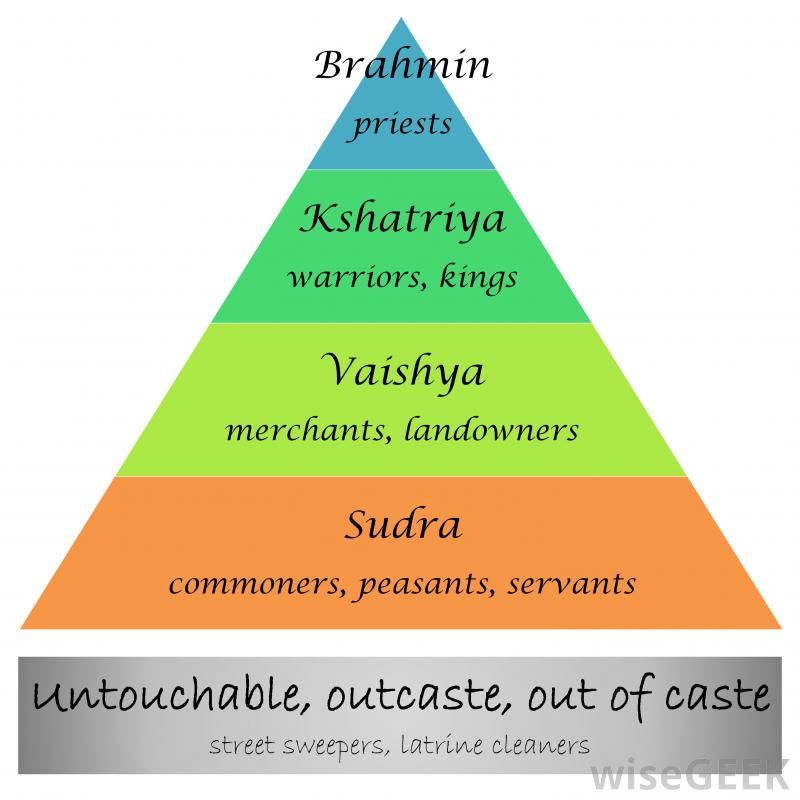
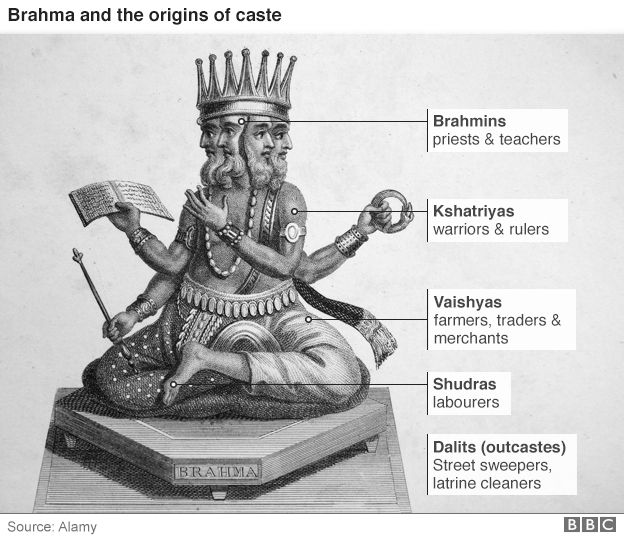
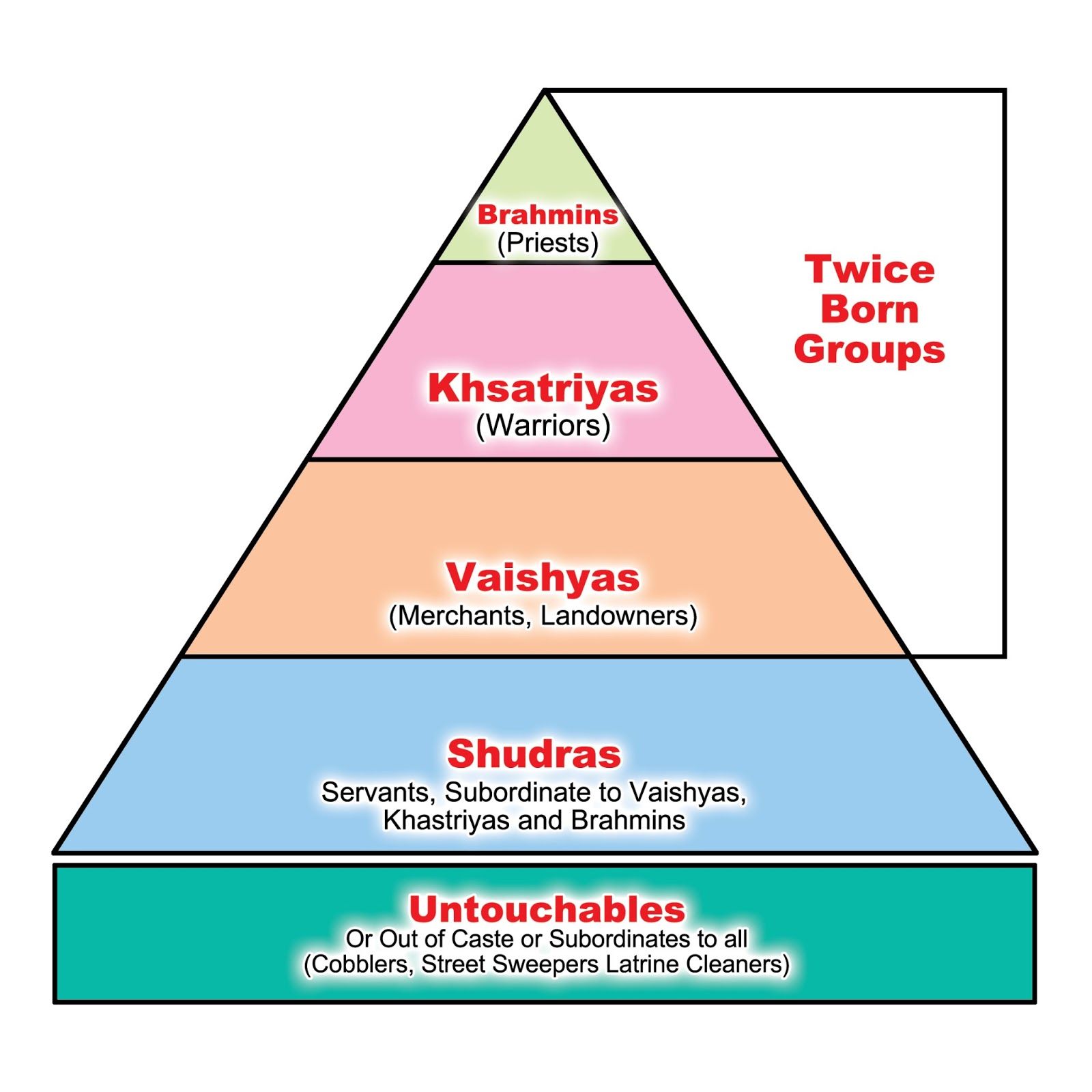
The caste system, a defining characteristic of Hindu society, emerged as a means to organize and maintain order within its ancient communities. This system classified individuals into distinct castes or jatis, with Brahmins (priests), Kshatriyas (warriors), Vaishyas (merchants), and Shudras (labourers) being the four traditional varnas or social classes. Over time, these varnas further subdivided into numerous jatis, leading to a highly intricate and hierarchical social structure.
FAQs:
- What is the origin of the caste system?
- How does the caste system affect modern Indian society?
- Are there any movements or initiatives to challenge the caste system?
Subtopics:
History:
The exact origins of the caste system remain unclear, with theories ranging from Indo-Aryan immigration to indigenous social practices. However, it is widely accepted that the system evolved over centuries, influenced by various religious, social, and economic factors.
- Rigvedic Period (1500-1000 BCE): Earliest evidence of social divisions based on occupation.
- Brahmana Period (1000-500 BCE): Development of the varna system, with the Brahmins emerging as the priestly class.
- Sutra Period (500-200 BCE): Consolidation of the caste system, with jatis becoming hereditary.
Impact:
The caste system has profoundly impacted various aspects of Indian society:
- Social Hierarchy: Rigid stratification based on birth limits social mobility and opportunity.
- Occupational Specialization: Castes have traditionally been associated with specific occupations, limiting career choices.
- Endogamy: Marriage within one’s caste is strongly encouraged, perpetuating social divisions.
- Access to Education: Historical discrimination has limited access to education for lower castes, creating socio-economic disparities.
- Political Representation: Caste has often influenced political power dynamics, with higher castes historically dominating positions of authority.
Modern Relevance:
While the caste system has been legally abolished in India, its influence continues to shape society in many ways:
- Discrimination and Prejudice: Caste-based discrimination persists in various forms, including social exclusion and workplace bias.
- Affirmative Action: Government policies aim to address historical inequalities faced by lower castes through quotas in education and employment.
- Caste-Based Politics: Political parties often mobilize voters along caste lines, contributing to political polarization.
- Social Movements: Activist groups and individuals continue to challenge the caste system, advocating for equality and social justice.
- Global Diaspora: The caste system has influenced Indian diaspora communities worldwide, where it manifests in social networks and cultural practices.
Conclusion:
The caste system is a complex and multifaceted social phenomenon that has profoundly shaped Indian society for centuries. While its influence has diminished in some areas, its historical impact continues to reverberate in modern times. Understanding the caste system‘s history, impact, and modern relevance is crucial for addressing its lingering effects and promoting a more just and equitable society in India and beyond.
Keyword Tags
- Caste System
- Hinduism
- Social Stratification
- Indian Society
- Modern Relevance