
Yoga & Hinduism: More Than Just Poses – A Spiritual Connection Explored

Yoga, an ancient practice originating in India, has become increasingly popular worldwide as a means of improving physical and mental well-being. However, its roots are deeply entwined with Hinduism, a spiritual tradition that has influenced various aspects of Indian culture. Beyond the physical exercises, yoga holds a profound spiritual connection to Hinduism.
Origins in Hinduism

The origins of yoga can be traced back to the Vedas, the ancient scriptures of Hinduism. In the Upanishads, written around the 8th century BCE, yoga is mentioned as a spiritual discipline for achieving enlightenment. The Bhagavad Gita, a central text of Hinduism, states that yoga is “skill in action” and a path to self-realization.
Eight Limbs of Yoga
Hinduism recognizes yoga as a multi-faceted practice involving eight limbs:
- Yamas (moral restraints): Non-violence, truthfulness, non-stealing, continence, and non-receiving.
- Niyamas (personal disciplines): Purity, contentment, self-study, austerity, and devotion.
- Asanas (physical postures): Holding specific positions to improve flexibility and circulation.
- Pranayama (breath control): Regulating breath to calm the mind and regulate emotions.
- Pratyahara (withdrawal of the senses): Turning inward to focus on the inner self.
- Dharana (concentration): Holding the mind on a single point of focus.
- Dhyana (meditation): Deepening concentration into a state of profound stillness.
- Samadhi (enlightenment): The ultimate goal of yoga, where the individual dissolves into the divine.
Spiritual Benefits of Yoga
As a spiritual practice within Hinduism, yoga offers several benefits:
- Self-awareness: Yoga encourages introspection and self-inquiry, allowing practitioners to gain a deeper understanding of their thoughts, feelings, and motivations.
- Mindfulness: By incorporating meditation and breath control, yoga cultivates present-moment awareness and reduces stress and anxiety.
- Connection to the divine: Yoga is a means of connecting with the sacred within oneself and the universe. Through postures and meditation, practitioners seek union with God or the divine.
- Purification: Yoga is believed to cleanse the body and mind of impurities, fostering a sense of purity and well-being.
Beyond the Physical
While yoga has become widely recognized for its physical benefits, its spiritual connection to Hinduism remains a vital aspect of the practice. It is not merely a set of exercises but a profound journey of self-transformation and spiritual awakening. By embracing the eight limbs of yoga, practitioners seek to connect with the divine and achieve a state of inner peace and enlightenment.
Conclusion
Yoga and Hinduism share an inseparable bond. The physical postures and breathing techniques of yoga are intertwined with the spiritual teachings and disciplines of Hinduism. By understanding the spiritual connection between the two, practitioners can deepen their practice and embark on a path of self-discovery and spiritual growth.## Yoga & Hinduism: More Than Just Poses – A Spiritual Connection Explored
Executive Summary
Yoga and Hinduism are intertwined, sharing a deep spiritual connection. Yoga practices go beyond physical postures, integrating ancient Hindu philosophies and beliefs. This article explores the multifaceted relationship between yoga and Hinduism, delving into their historical roots, shared concepts, and the transformative power of yoga within the Hindu spiritual framework.
Introduction
Yoga, an ancient discipline originating in India, has gained immense popularity worldwide for its physical and mental benefits. However, its roots run deep in the spiritual traditions of Hinduism. This article aims to unveil the profound connection between yoga and Hinduism, showcasing how yoga is more than just a series of poses but a gateway to spiritual exploration and transformation.
FAQs
- What is the origin of yoga? Yoga emerged in ancient India as part of the Hindu spiritual tradition.
- Is yoga a religion? No, yoga is not a religion but a spiritual practice within the Hindu framework.
- Can anyone practice yoga? Yes, yoga is accessible to individuals of all ages, abilities, and belief systems.
Subtopics
Historical Roots
- Ancient scriptures like the Vedas and Upanishads mention yoga as a path to spiritual liberation.
- Yoga flourished during the Vedic period (1500-500 BCE), becoming integral to Hindu philosophy.
- Historical figures like Patanjali (2nd century BCE) systematized yoga into the Eight Limbs, a comprehensive framework for spiritual development.
Shared Concepts
- Karma: Yoga emphasizes the law of karma, believing actions have consequences.
- Reincarnation: Hindu beliefs hold that souls are reborn multiple times, with yoga aimed at breaking the cycle of rebirth.
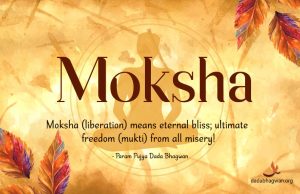
- Moksha: The ultimate goal of yoga and Hinduism is moksha, liberation from the material world and union with the divine.
Benefits of Yoga in Hinduism
- Spiritual Purification: Yoga practices, such as asanas (postures) and pranayama (breath control), purify the body and mind, creating a foundation for spiritual growth.
- Expansion of Consciousness: Through meditation and other Yogic practices, practitioners expand their awareness and develop a deeper understanding of themselves and the world.
- Self-Realization: Yoga facilitates self-reflection and introspection, aiding individuals in recognizing their true nature and purpose.
Yoga Texts and Practices
- Yoga Sutras: This ancient text by Patanjali outlines the Eight Limbs of Yoga, a step-by-step guide to spiritual realization.
- Asanas: Physical postures designed to improve flexibility, strength, and balance, fostering physical and mental discipline.
- Pranayama: Breathing exercises that regulate the breath and calm the mind, enhancing concentration and emotional control.
Yoga and the Modern World
- Global Popularity: Yoga has gained immense popularity worldwide due to its numerous physical and mental benefits.
- Cultural Exchange: Yoga is an integral part of Indian culture and has been embraced and adapted by various cultures globally.
- Mindfulness and Well-being: Yoga practices have been shown to promote mindfulness, reduce stress, and improve overall well-being.
Conclusion
Yoga and Hinduism are intertwined, with yoga being an integral part of the Hindu spiritual path. The practice of yoga extends beyond physical postures, incorporating ancient Hindu philosophies and beliefs. Through its emphasis on karma, reincarnation, and moksha, yoga becomes a tool for spiritual purification, expansion of consciousness, and self-realization. In the modern world, yoga has found global resonance, offering numerous benefits for physical, mental, and emotional well-being.
Keyword Tags
- Yoga and Hinduism
- Spiritual Connection
- Eight Limbs of Yoga
- Hindu Beliefs
- Self-Realization