Exploring the Vibrant Tapestry of Indian Culture: A Comprehensive Guide
Introduction
Indian culture, a kaleidoscope of diverse traditions, beliefs, and customs, has captivated the world with its richness and depth. From ancient philosophies to modern-day practices, India’s cultural heritage is a treasure trove waiting to be explored.
H2: Unveiling the Roots of Indian Culture
The origins of Indian culture can be traced back to the Indus Valley Civilization, one of the oldest civilizations in the world. The Indus Valley people developed a sophisticated urban society, with advanced knowledge of agriculture, architecture, and art.
Over the centuries, Indian culture has been shaped by various influences, including:
- Aryan Invasion (1500 BCE): The arrival of Indo-European speaking Aryans brought Vedic culture, which formed the foundation of Hinduism.
- Buddhism and Jainism (6th century BCE): These religions emerged in India, and their teachings influenced Indian thought and culture.
- Islamic Rule (12th-19th centuries): Muslim rulers introduced Persian, Arabic, and Turkic elements into Indian culture.
- British Colonialism (18th-20th centuries): British rule left an imprint on Indian society, including the introduction of Western education and administrative systems.
H2: Key Pillars of Indian Culture
- Religion: Hinduism, Islam, Sikhism, Buddhism, Jainism, and Christianity are the major religions practiced in India, each contributing unique beliefs and practices.
- Caste System: A hierarchical social system, based on birth, that has played a significant role in Indian society for centuries.
- Family and Community: Family and community ties are strong in Indian culture, with a focus on respect for elders and interdependence.
- Art and Architecture: India is renowned for its vibrant and diverse art forms, including classical dance, music, painting, and sculpture. Its architectural wonders, such as the Taj Mahal, reflect the country’s rich history and craftsmanship.
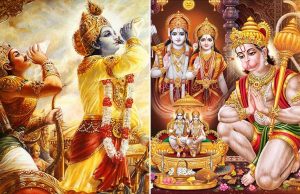
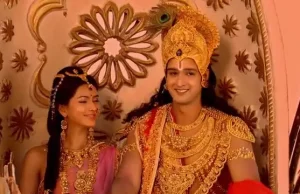
- Literature and Philosophy: Indian literature spans centuries, with epics like the Mahabharata and Ramayana being revered. Indian philosophy, including Yoga, Ayurveda, and Vedanta, emphasizes spiritual growth and well-being.
H3: Elements of Indian Culture to Discover
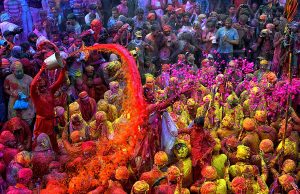
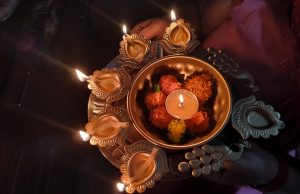
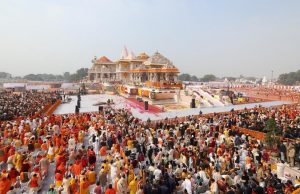
- Traditional Festivals: India is a land of festivals, each celebrating a different religious or cultural occasion, such as Diwali, Holi, and Ganesh Chaturthi.
- Cuisine: Indian cuisine, with its aromatic spices and diverse flavors, is famous worldwide. It showcases regional variations, from North Indian dishes to South Indian delicacies.
- Music and Dance: Indian music and dance are integral parts of the culture, ranging from classical to folk forms. They reflect the rhythmic and melodic richness of the country.
- Crafts and Textiles: India is known for its intricate crafts, such as pottery, weaving, embroidery, and jewelry-making. Its textiles, like saris and shawls, are renowned for their vibrant colors and intricate designs.
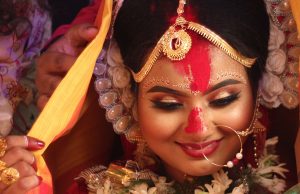
- Traditions and Customs: Indian culture is full of unique traditions and customs, such as arranged marriages, dowry practices, and the concept of karma.
H3: Benefits of Embracing Indian Culture
Understanding and appreciating Indian culture can bring a host of benefits:
- Cultural enrichment: Expanding your knowledge of one of the world’s most diverse and ancient cultures.
- Intercultural dialogue: Promoting understanding and bridging cultural divides.
- Appreciation of diversity: India’s cultural diversity teaches us to respect and value differences.
- Personal growth: Exploring Indian philosophy, yoga, and meditation can contribute to personal well-being and self-discovery.
- Global connections: Engaging with Indian culture allows us to connect with people from all over the world who share a common heritage.
Conclusion
Indian culture is a vibrant tapestry woven with centuries of history, beliefs, and traditions. Its richness and depth continue to inspire and captivate the world. Embracing Indian culture not only enriches our lives but also promotes intercultural dialogue and global understanding.
Secondary Keywords:
- Ancient Indian Civilization
- Caste System in India
- Indian Festivals and Celebrations
- Indian Cuisine and Spices
- Indian Classical Dance and Music