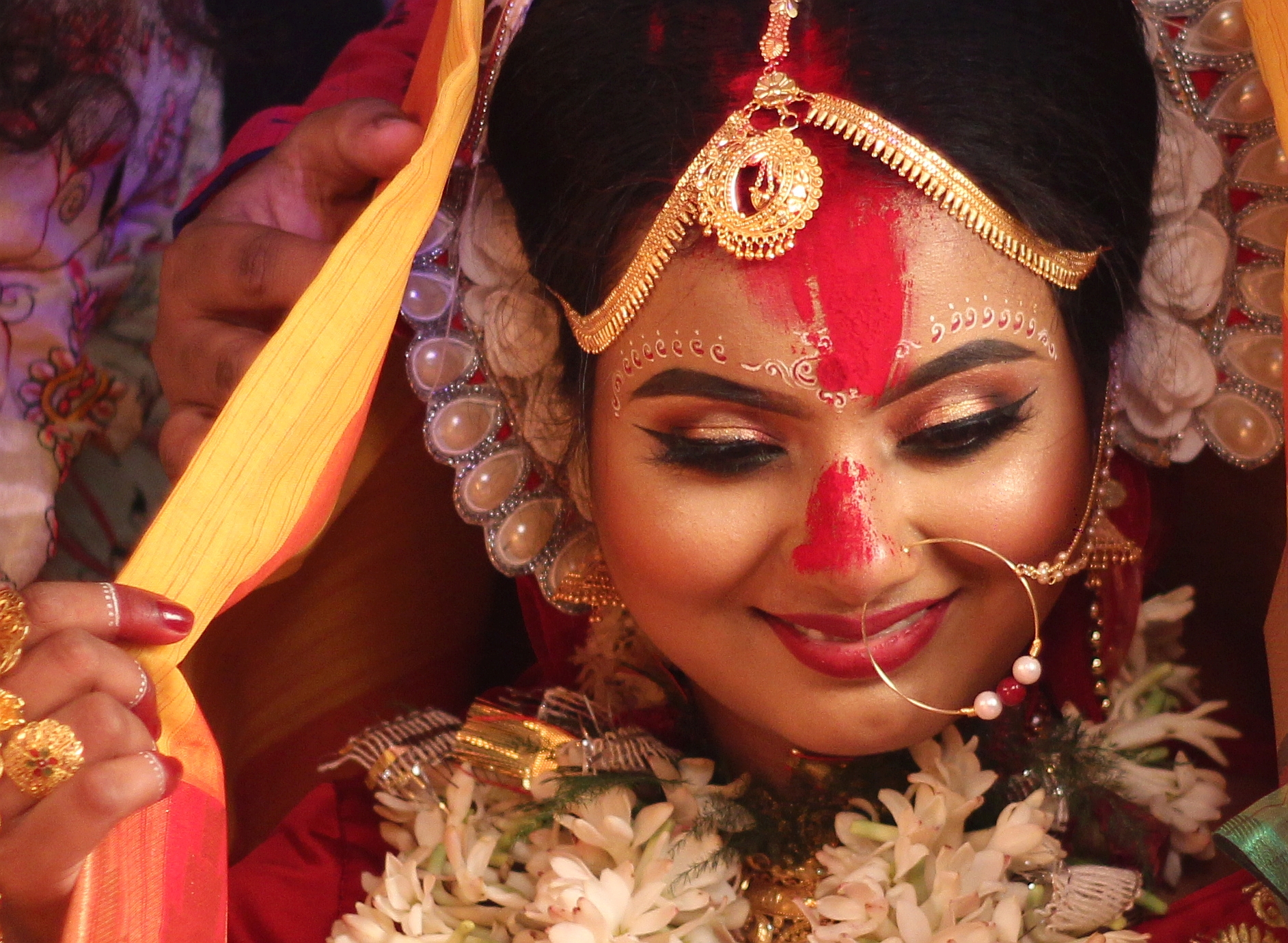
Hinduism, a religion spanning millennia, presents a multifaceted picture of women’s roles in society and spirituality. From powerful goddesses to revered mothers, women have occupied a complex and evolving space within this vast tradition. Let’s delve into the rich tapestry of Hindu beliefs and practices to understand the diverse experiences of women across the spectrum.
The Divine Feminine: Embodiment of Shakti
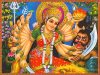
Shakti, the divine feminine principle, is a cornerstone of Hindu theology. She represents the active energy, creativity, and nurturing power inherent in the universe. Deities like Durga, Lakshmi, Saraswati, Kali, and Parvati embody various aspects of Shakti, showcasing the multifaceted nature of the feminine. This reverence for the divine feminine empowers women and challenges the notion of a solely masculine God.
Women in the Vedas: Early Traces of Equality
The Vedas, the oldest scriptures of Hinduism, offer glimpses into a society where women enjoyed a relatively greater degree of freedom. Early Vedic texts mention female scholars, philosophers, and even rulers. Hymns are dedicated to goddesses, reflecting a more balanced view of the divine. However, it’s important to remember that these texts represent a specific historical period, and the status of women may have varied across different social strata.
Read More:
- Hinduism and Environmental Stewardship: Lessons for a Sustainable Future
- Hinduism and Nature Worship: A Profound Connection
- The Hindu Concept of Trimurti: The Three of Divine Creation
- The Diversity of Hindu Beliefs and Practices Across India: A Journey Through a Land of Rich Traditions
- The Significance of Hindu Festivals and Celebrations: A Vibrant Tapestry of Faith, Culture, and Community
Dharma and Duties: The Ideal Woman
Hindu social codes, known as Dharma Shastras, lay out expectations for different social classes and genders. These texts often emphasize the importance of a woman’s role within the family structure, with duties revolving around wifehood, motherhood, and household management. While these roles are seen as sacred, they can also be restrictive, defining a woman’s worth primarily through her domestic contributions.
Education and Spiritual Attainment
Despite societal expectations, the pursuit of knowledge and spiritual growth was not entirely denied to women. Scriptures like the Upanishads mention female sages and scholars who achieved enlightenment. Certain Hindu traditions actively encouraged women to participate in spiritual practices and even become renunciates, seeking liberation from the cycle of rebirth.
The Bhakti Movement: Devotion That Leveled Hierarchies
The Bhakti movement, a devotional movement that swept through India from the 7th to the 17th centuries, offered a more egalitarian approach to spirituality. Many female saints and poets emerged during this period, composing devotional hymns and challenging the dominance of the priestly class. Their emphasis on personal devotion to God opened avenues for spiritual liberation regardless of gender.
Social Practices and Challenges
However, the reality for many Hindu women has been far from ideal. Practices like child marriage, dowry systems, and restrictions on inheritance have limited their opportunities and perpetuated gender inequality. Sati, the practice of a widow immolating herself on her husband’s funeral pyre, thankfully, is now outlawed but serves as a stark reminder of the historical hardships faced by women.
Reform Movements and Modernity
The 19th and 20th centuries witnessed reform movements spearheaded by social reformers like Raja Ram Mohan Roy and Swami Vivekananda. These movements advocated for women’s education, widow remarriage, and a more equitable social order. Today, Indian women are making significant strides in education, professional careers, and political leadership.
The Evolving Landscape: Opportunities and Obstacles
Despite these advancements, significant challenges remain. Gender-based violence, unequal pay, and limited access to healthcare continue to affect many women. However, there’s a growing awareness of these issues, and movements are working towards social change.
The Strength of Tradition and the Winds of Change
Hinduism, with its vast philosophical and social spectrum, offers a complex and often contradictory view of women. While some aspects of tradition can be seen as restrictive, the presence of powerful goddesses and the emphasis on the divine feminine offer a counterpoint. The future of women in Hinduism lies in navigating this rich heritage, embracing the empowering aspects of tradition while working towards a more equitable future.
A Tapestry Yet to be Fully Woven
The story of women in Hinduism continues to be written. By acknowledging the historical realities, celebrating the achievements of women throughout history, and working towards a more just society, this tapestry can be woven into a beautiful and empowering portrayal of the feminine experience within Hinduism.