Understanding the Essence of Hindu Philosophy
Introduction:
Have you ever wondered about the profound wisdom and spiritual teachings that have originated from ancient India? Hindu philosophy, a multifaceted and influential system of thought, offers deep insights into the nature of existence, the purpose of life, and the path to spiritual liberation. Embark on this journey to unravel the core concepts and principles that shape this ancient tradition.
The Vedas: The Foundation of Hindu Philosophy
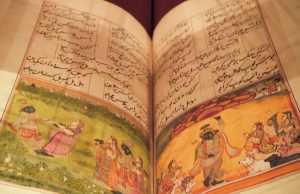
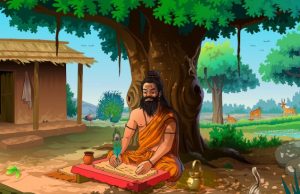
The Vedas, a collection of sacred texts, serve as the bedrock of Hindu philosophy. These ancient scriptures encompass hymns, rituals, and philosophical insights that have been passed down through generations. They provide the foundational teachings on the nature of Brahman, the ultimate reality, and the path to enlightenment.
Brahman: The Supreme Reality
Central to Hindu philosophy is the concept of Brahman. Brahman is the eternal, infinite, and transcendent reality that permeates all existence. It is the source of everything that exists and the ultimate goal of spiritual seekers. Brahman is often described as being beyond human comprehension, yet it can be experienced through meditation and self-realization.
Atman: The Individual Soul
Hindu philosophy recognizes the existence of an individual soul, known as Atman. Atman is believed to be an eternal and unchanging essence that resides within each living being. It is distinct from the physical body and the ego, and it is the true nature of our being. The goal of spiritual practice is to align the Atman with Brahman, leading to liberation from the cycle of birth and rebirth.
Karma and Reincarnation
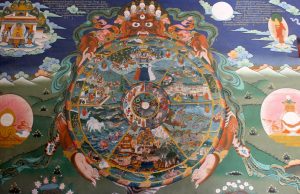
The law of karma plays a pivotal role in Hindu philosophy. Karma refers to the actions and intentions of an individual that determine their destiny. Every action, whether good or bad, creates a karmic imprint that shapes future experiences. The cycle of karma and reincarnation, known as Samsara, perpetuates until an individual attains liberation through spiritual practice.
Dharma: The Path of Righteousness
Dharma is a central concept in Hindu philosophy that encompasses duty, righteousness, and ethical conduct. It refers to the path that each individual must follow in accordance with their nature and social position. By living in accordance with Dharma, individuals contribute to the harmony and well-being of society and create positive karma.
Moksha: The Ultimate Goal
The ultimate goal of Hindu philosophy is to attain Moksha, which is liberation from the cycle of rebirth. Moksha is achieved through self-realization, the realization of one’s true nature as Atman. It is a state of complete freedom, bliss, and enlightenment where one transcends the limitations of the physical world.
Conclusion:
Hindu philosophy, with its profound teachings on Brahman, Atman, karma, Dharma, and Moksha, provides a comprehensive framework for understanding the nature of existence and the path to spiritual liberation. Its wisdom and insights continue to inspire and guide seekers of truth around the world, offering a timeless tapestry of knowledge and self-discovery.
Secondary Keywords:
Hinduism, Vedas, Brahman, Atman, Karma, Reincarnation, Dharma, Moksha, Liberation