eGOD – The Hindu Concept of Time: Understanding Cycles and Ages. The Hindu concept of time is a fascinating aspect of ancient Indian philosophy that offers profound insights into the nature of existence and human experience.
Rooted in the belief of cyclical time, Hindus view time as a series of interconnected cycles, each encompassing various ages. In this article, we will explore the Hindu concept of time, its significance, and how it shapes their understanding of the world.
By delving into this profound concept, we can gain a deeper appreciation for the rich heritage of Hindu philosophy and its relevance in our modern lives.
Also Read: Why Hindu Gods Have Now Stopped Incarnation?
The Cycles of Time
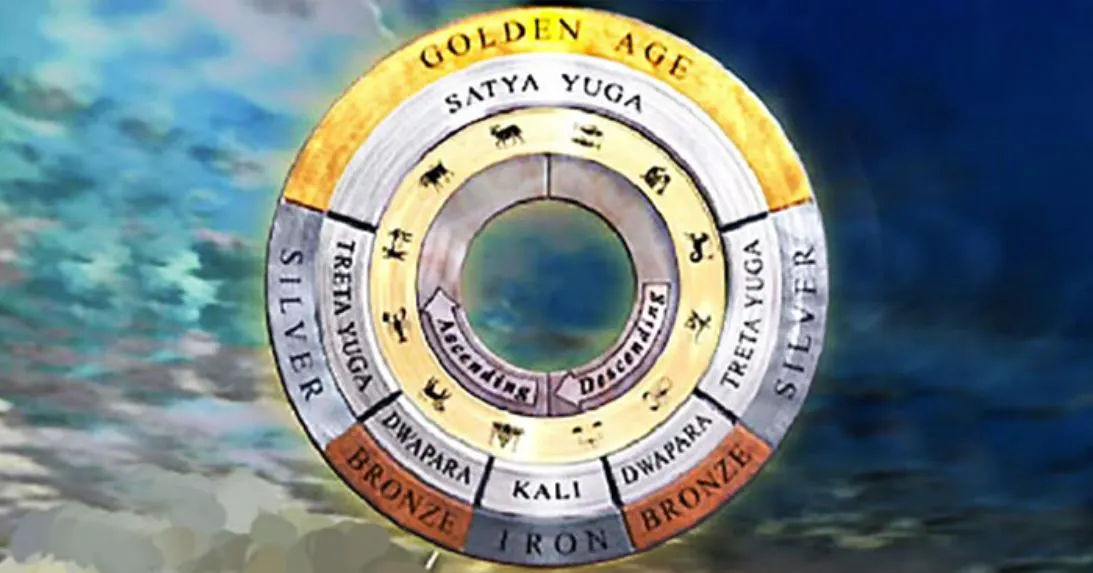
The Hindu concept of time is characterized by a recurring cycle known as “Yugas.” These Yugas represent distinct epochs or ages that follow one another in a continuous pattern. According to Hindu scriptures, there are four Yugas: Satya Yuga (the age of truth and righteousness), Treta Yuga, Dvapara Yuga, and Kali Yuga. Each Yuga is believed to have its own unique characteristics, moral standards, and duration.
The Ages and Their Significance
Within the Yugas, there are smaller cycles known as Manvantaras, which consist of fourteen Manus (progenitors of humanity). These Manvantaras further divide the ages and contribute to the overall cyclical nature of time. The different ages within the Yugas are believed to have distinct spiritual, societal, and cosmic implications.
Also Read: The Hindu Concept of Dharma: Living a Life of Righteousness and Duty
Understanding Time and Karma
In Hindu philosophy, time and karma are intimately connected. The actions and choices individuals make during their lifetimes are believed to influence their future incarnations and shape their destiny. This cyclical understanding of time provides a framework for personal growth, spiritual development, and the pursuit of liberation (moksha).
Practical Applications of the Hindu Concept of Time
The Hindu concept of time offers practical insights for individuals seeking personal growth and a deeper understanding of life’s purpose. By recognizing the cyclic nature of time, one can develop patience, resilience, and a broader perspective on life’s challenges. Additionally, the concept of time encourages individuals to live in harmony with the natural rhythms of the universe and embrace the impermanence of material existence.
Also Read: Understanding Karma: How Hinduism Views the Law of Cause and Effect
Conclusion
The Hindu concept of time provides a unique lens through which we can comprehend the nature of existence and our place within it.
By understanding the cycles and ages inherent in this worldview, we gain a profound appreciation for the interconnectedness of all things and the importance of personal growth and spiritual evolution.
Embracing the lessons offered by the Hindu concept of time can lead to a deeper understanding of oneself and a more meaningful experience of life.