The Vedas: A Foundation of Hindu Faith and Wisdom
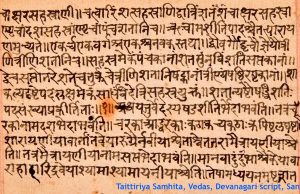
The Vedas, revered as the most ancient and sacred texts in Hinduism, form the bedrock of Hindu beliefs, rituals, and philosophical traditions. They are a vast collection of hymns, incantations, and philosophical treatises that have deeply influenced the cultural and spiritual landscape of India for centuries.
Origin and Authorship
The origin of the Vedas is shrouded in mystery and legend. They are believed to have been revealed to ancient sages known as rishis, who were said to have received divine inspiration. The Vedas are traditionally attributed to various rishis, including Agni, Indra, Vayu, and others.
Content and Structure
The Vedas are divided into four main collections:
- Rigveda: A collection of over 1,000 hymns dedicated to various deities, including Indra, Agni, and Varuna.
- Yajurveda: A collection of prose and verse formulas used in rituals and sacrifices.
- Samaveda: A collection of melodies and chants that are sung during religious ceremonies.
- Atharvaveda: A collection of spells, incantations, and rituals related to healing, protection, and everyday life.
Importance in Hinduism
The Vedas play a central role in Hindu society and spirituality:
- Foundational Texts: The Vedas are considered the most authoritative religious texts in Hinduism. They provide the basis for Hindu beliefs, rituals, and practices.
- Source of Inspiration: The Vedas have inspired countless philosophers, poets, and spiritual teachers throughout Indian history. They contain profound insights into the nature of reality, the divine, and the human soul.
- Ritual Significance: Many Hindu rituals and ceremonies are based on hymns and formulas found in the Vedas. The Vedas provide guidance on the proper performance of rituals, as well as their spiritual significance.
- Ethical and Social Teachings: The Vedas contain moral and ethical principles that have shaped Indian society. They emphasize virtues such as truthfulness, honesty, compassion, and non-violence.
Philosophical Insights
The Vedas contain a wealth of philosophical wisdom that has had a lasting impact on Hindu thought. Some key philosophical concepts in the Vedas include:
- Brahman: The Supreme Being, the ultimate reality that underlies all existence.
- Atman: The individual soul, which is an eternal part of Brahman.
- Maya: The illusion that conceals the true nature of reality.
- Karma: The law of action and consequence, which governs the cycle of rebirth.
- Moksha: The ultimate goal of liberation from the cycle of rebirth and union with Brahman.
Conclusion
The Vedas are an invaluable treasure of wisdom and inspiration that have shaped Hindu civilization for millennia. They offer a profound understanding of the divine, the human condition, and the ultimate purpose of life. As we delve into the depths of the Vedas, we gain a deeper appreciation for the richness and complexity of Hindu faith and spirituality.
Secondary Keywords
Vedas, Hinduism, Rigveda, Yajurveda, Samaveda, Atharvaveda, Vedic Rituals, Vedic Philosophy, Brahman, Atman, Maya, Karma, Moksha