Exploring the Rich Spiritual Heritage of Hinduism
Hinduism, one of the oldest religions in existence, boasts a vast and diverse spiritual heritage that has shaped the lives of billions over the centuries. Its profound teachings and intricate practices offer a deep path to self-discovery, enlightenment, and ultimately, liberation.

Origins and History:

The roots of Hinduism can be traced back to the Indus Valley Civilization (c. 3300-1900 BCE), with its enigmatic cities of Harappa and Mohenjo-daro. While the exact origins of Hinduism remain unknown, archaeologists have uncovered remnants of an advanced culture with a complex religious system, including a variety of deities and rituals.
Over time, Hinduism evolved and absorbed elements from various cultures, including the Dravidian, Aryan, and Buddhist traditions. By the 6th century BCE, it had emerged as a synthesis of diverse beliefs known as Sanatana Dharma, meaning “eternal law.”
Core Beliefs:
Hinduism is not a monolithic religion but rather a collection of related beliefs and practices. Its core concepts include:
- Brahman: The ultimate reality, a divine, infinite, and impersonal force that permeates the entire universe.
- Atman: The individual soul or self, which is an intrinsic part of Brahman.
- Karma: The law of cause and effect, which determines the consequences of our actions.
- Moksha: The ultimate goal of Hinduism, which is liberation from the cycle of birth, death, and rebirth.
- Dharma: Righteousness or duty, which guides ethical behavior and social order.
Deities and Manifestations:
Hinduism is characterized by its rich pantheon of deities, who are often seen as different aspects or manifestations of the divine. Some of the most prominent deities include:
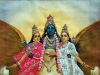
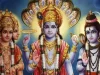
- Trimurti: The trinity of Brahma (creator), Vishnu (preserver), and Shiva (destroyer).
- Devi: The divine feminine, represented by goddesses such as Shakti, Lakshmi, and Saraswati.
- Ganesha: The elephant-headed god of wisdom and new beginnings.
- Hanuman: The monkey god of strength and loyalty.
Holy Texts and Scriptures:
Hinduism has a vast collection of sacred texts that provide guidance for spiritual practice. These include:
- Vedas: The oldest and most authoritative texts, consisting of hymns, rituals, and philosophical teachings.
- Upanishads: Philosophical commentaries on the Vedas that delve into the nature of Brahman, Atman, and the ultimate reality.
- Bhagavad Gita: A poetic dialogue between Krishna and Arjuna, considered one of the most important Hindu sacred texts.
Practices and Rituals:
Hinduism encompasses a wide range of spiritual practices and rituals, including:
- Meditation: Practices aimed at connecting with the divine or achieving inner peace.
- Yoga: A mind-body discipline that promotes physical, mental, and spiritual well-being.
- Pilgrimage: Traveling to sacred sites such as the Ganges River or the city of Varanasi.
- Festivals: Celebrations that commemorate important mythological events or mark seasonal transitions.
Cultural Influence:
Hinduism has had a profound impact on Indian culture and beyond. Its teachings have influenced philosophy, art, music, dance, and social customs. Hindu festivals and rituals are a vibrant part of the cultural fabric of India and other regions where Hindus reside.
Contemporary Relevance:
In the modern world, Hinduism continues to inspire people around the globe with its emphasis on self-transformation, compassion, and the interconnectedness of all things. Its ancient teachings offer timeless wisdom and practical guidance for navigating the complexities of modern life.
Conclusion:
Hinduism is a rich and multifaceted spiritual tradition that has been a source of inspiration and guidance for countless generations. Its core beliefs, deities, holy texts, and practices offer a profound path to self-discovery, enlightenment, and ultimately, liberation. As the world continues to evolve, the teachings of Hinduism remain relevant and transformative, providing a beacon of wisdom and hope in a rapidly changing world.## Exploring the Rich Spiritual Heritage of Hinduism
Executive Summary
Hinduism, one of the world’s oldest religions, offers a profound and multifaceted spiritual heritage that has captivated the hearts and minds of countless seekers over millennia. This article will delve into the rich tapestry of Hindu beliefs, practices, and philosophies, exploring the fundamental concepts, traditions, and expressions of this vibrant faith.
Introduction
Hinduism, with its origins in ancient India, is a diverse and dynamic religion encompassing a wide spectrum of beliefs, practices, and spiritual traditions. It is distinguished by a profound reverence for the sacred, an emphasis on personal growth and enlightenment, and a belief in the law of karma and reincarnation. In this article, we will embark on a journey to unravel the multifaceted dimensions of Hinduism’s spiritual heritage.
FAQs
Q1. What is the central belief of Hinduism?
A. Hinduism revolves around the concept of Brahman, an all-pervading, transcendent reality that is the source and ultimate destination of all existence.
Q2. How do Hindus worship?
A. Hindu worship involves various rituals and practices, including prayer, meditation, pilgrimage, and devotion to deities such as Shiva, Vishnu, and Brahma.
Q3. What are the key scriptures of Hinduism?
A. The Vedas, the Upanishads, the Bhagavad Gita, and the Ramayana are among the most sacred texts in Hinduism, providing insights into its beliefs and practices.
Subtopics
Dharma: The Path of Righteousness
- Meaning: Dharma refers to the moral and ethical principles that guide individual and societal conduct within Hinduism.
- Four Pillars: Truthfulness, non-violence, self-sacrifice, and purity are considered key pillars of dharma.
- Importance: Adherence to dharma is believed to lead to spiritual growth and the attainment of higher states of consciousness.
Karma and Reincarnation: The Wheel of Life
- Karma: Hinduism teaches that every action, thought, and word has consequences, creating a cycle of cause and effect.
- Reincarnation: The belief in reincarnation holds that the soul transmigrates through multiple lives, evolving towards spiritual liberation.
- Goal: The ultimate goal is to break free from the cycle of karma and reincarnation and achieve moksha, a state of liberation from suffering and the attainment of unity with Brahman.
Yoga and Meditation: Inner Exploration
- Yoga: A multifaceted practice involving physical postures, breathing techniques, and mental exercises designed to cultivate physical, mental, and spiritual well-being.
- Meditation: A form of inward contemplation that aims to still the mind, connect with the divine, and cultivate self-awareness.
- Purpose: Yoga and meditation are central to Hindu spiritual practice, facilitating personal transformation and the realization of the self.
Bhakti: The Path of Devotion
- Definition: Bhakti refers to the intense love and devotion towards a chosen deity, often expressed through chanting, music, and personal rituals.
- Forms: Bhakti can manifest in various forms, such as the worship of Vishnu, Shiva, Devi, or other divine beings.
- Devotional Practices: Rituals, prayers, offerings, and pilgrimages are common devotional practices within bhakti traditions.
Moksha: The Ultimate Goal
- Meaning: Moksha refers to the state of liberation from suffering, the cycle of birth and death, and the attainment of unity with Brahman.
- Paths to Moksha: Hinduism offers various paths to moksha, including karma yoga (the path of selfless action), jnana yoga (the path of knowledge), and bhakti yoga (the path of devotion).
- Attainment: Moksha is considered the ultimate spiritual goal in Hinduism, leading to a profound sense of peace, bliss, and realization of the true nature of existence.
Conclusion
Hinduism’s rich spiritual heritage has left an enduring legacy on human civilization, offering a comprehensive and profound path to spiritual fulfillment. From the concept of dharma to the cycle of karma and reincarnation, from the practices of yoga and meditation to the path of bhakti, Hinduism continues to inspire and guide countless individuals seeking meaning and connection in their lives. Understanding the multifaceted dimensions of Hinduism’s spiritual heritage allows us to appreciate the depth and wisdom of one of the world’s oldest and most enduring religions.
Keyword Tags
- Hinduism
- Dharma
- Karma
- Reincarnation
- Moksha