In the world of Hinduism, the Om symbol holds immense significance and symbolism. It is a sacred sound and a spiritual icon that represents the essence of the entire universe. The Om symbol is considered to be the most powerful mantra in Hinduism, and it is chanted at the beginning and end of prayers, meditation sessions, and yoga practices.
The Origin of the Om Symbol
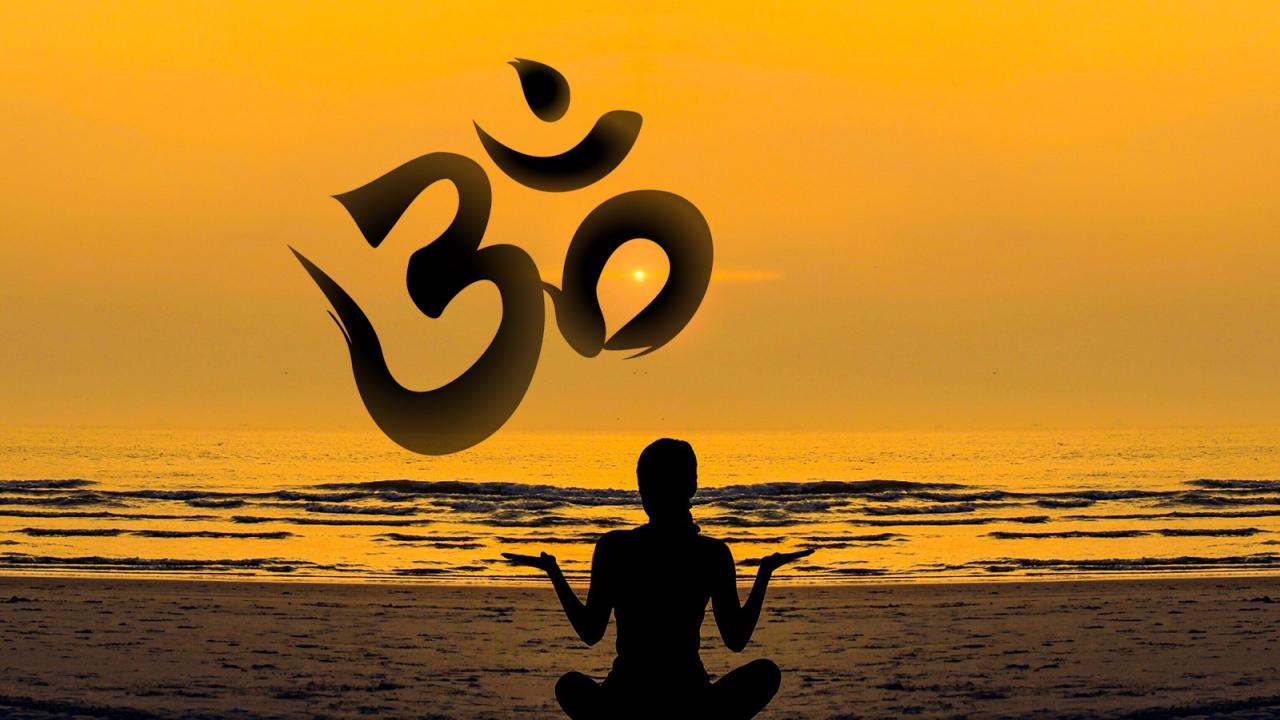
The Om symbol has its roots in ancient Indian scriptures, particularly in the Vedas, which are the oldest sacred texts of Hinduism. The sound of Om is said to have been heard by rishis (sages) during deep meditation, and it is believed to be the sound of creation itself. The symbol consists of three curves, one semicircle, and a dot, which represent the three states of consciousness (waking, dreaming, and deep sleep), the transcendental state, and the ultimate reality, respectively.
The Spiritual Significance of Om
Om is often referred to as the “pranava mantra,” which means the mantra that encompasses all other mantras. Chanting Om is believed to align the individual soul with the universal soul, connecting the practitioner to the divine energy of the cosmos. It is said to purify the mind, body, and spirit, bringing harmony and balance to the practitioner’s life.
The Symbolism of the Om Symbol
The Om symbol is rich in symbolism, with each element representing a profound concept in Hindu philosophy. The three curves of the Om symbol signify the three gunas (qualities) of nature – sattva (purity), rajas (activity), and tamas (inertia). These gunas are present in all aspects of the universe and influence human behavior and experiences.
The semicircle at the top of the Om symbol represents maya, the illusion of the material world that veils the true nature of reality. By transcending maya through spiritual practice and self-realization, one can attain enlightenment and liberation from the cycle of birth and death.
The dot in the Om symbol symbolizes the fourth state of consciousness, known as turiya, which is beyond the waking, dreaming, and deep sleep states. It represents the ultimate reality, Brahman, which is the source and essence of all existence.
The Om Symbol in Practice
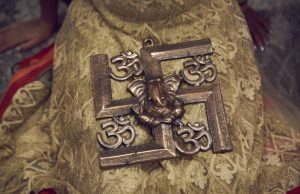
In Hindu rituals and ceremonies, the Om symbol is often used to invoke the presence of the divine and to create a sacred space for worship. It is also commonly found in temples, homes, and religious artifacts as a symbol of protection, auspiciousness, and spiritual power.
Many practitioners of yoga and meditation use the Om symbol as a focal point for concentration and contemplation. By meditating on the sound and visual representation of Om, individuals can deepen their spiritual practice and connect with the universal consciousness.
Conclusion
The Om symbol is not just a mere graphic representation; it is a profound spiritual emblem that encapsulates the essence of Hindu philosophy and spirituality. Understanding the significance and symbolism of the Om symbol can enrich one’s spiritual journey and foster a deeper connection with the divine. By embracing the power of Om, individuals can tap into the universal energy that permeates all of creation and experience a sense of unity and oneness with the cosmos.